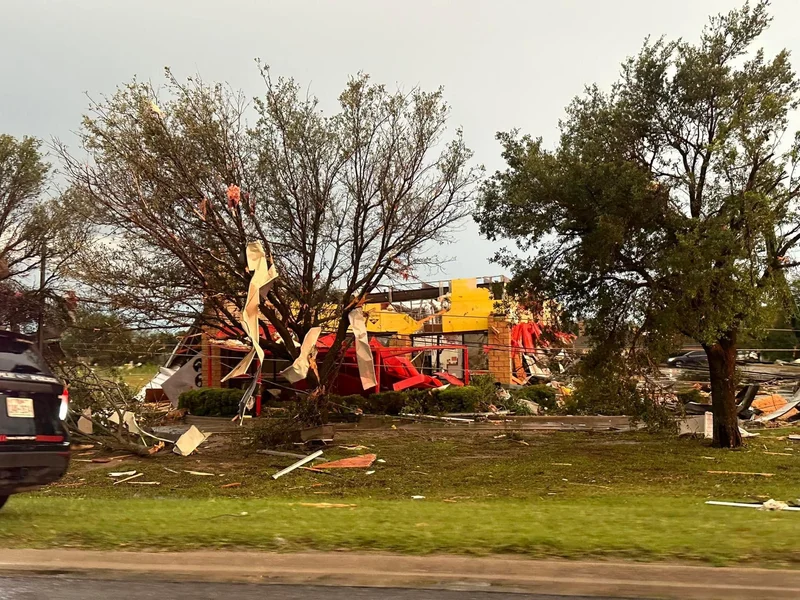
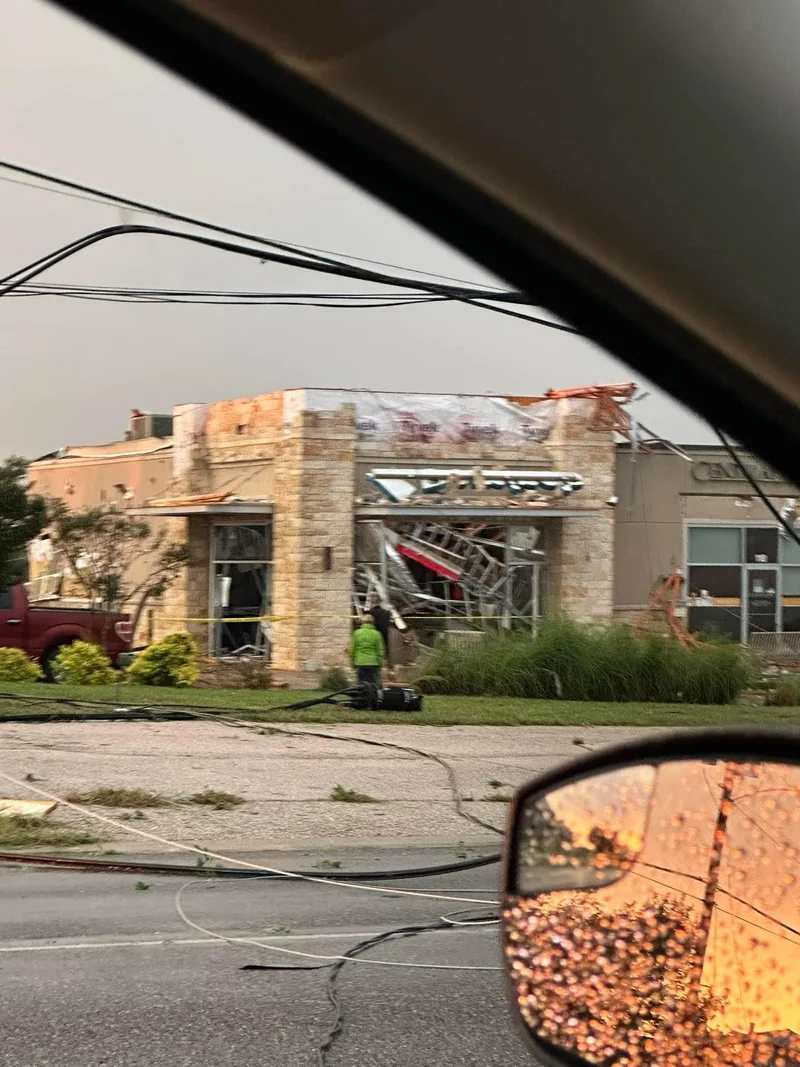
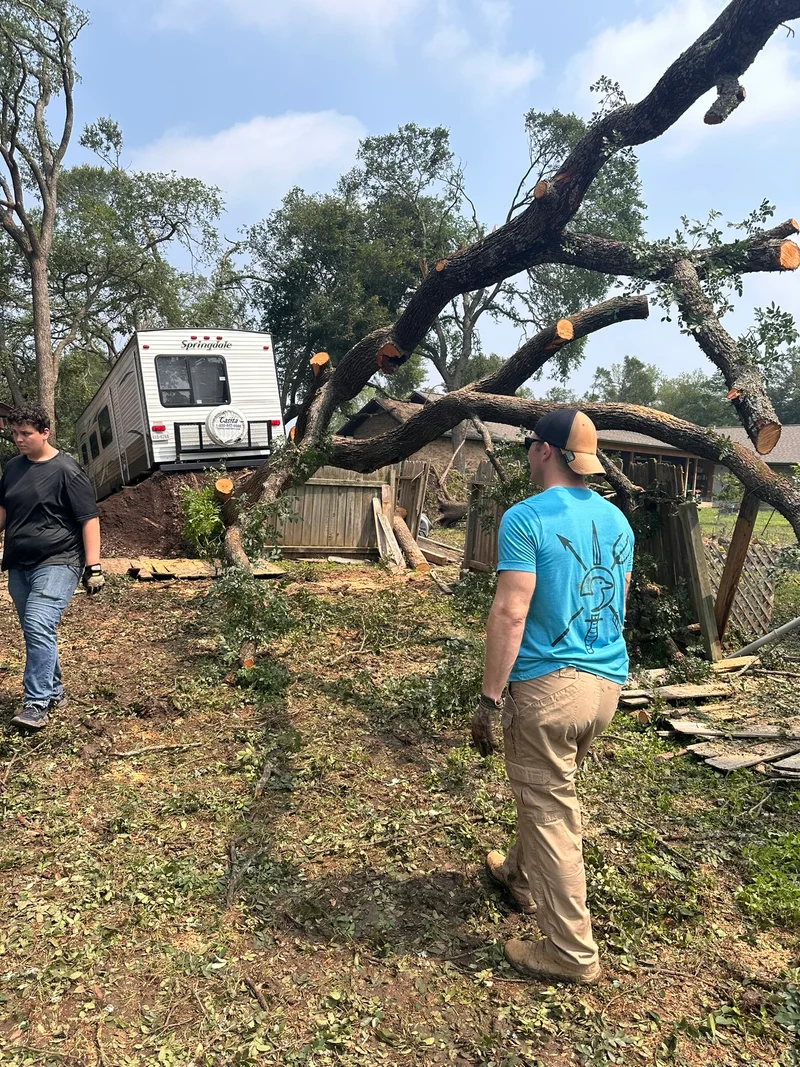
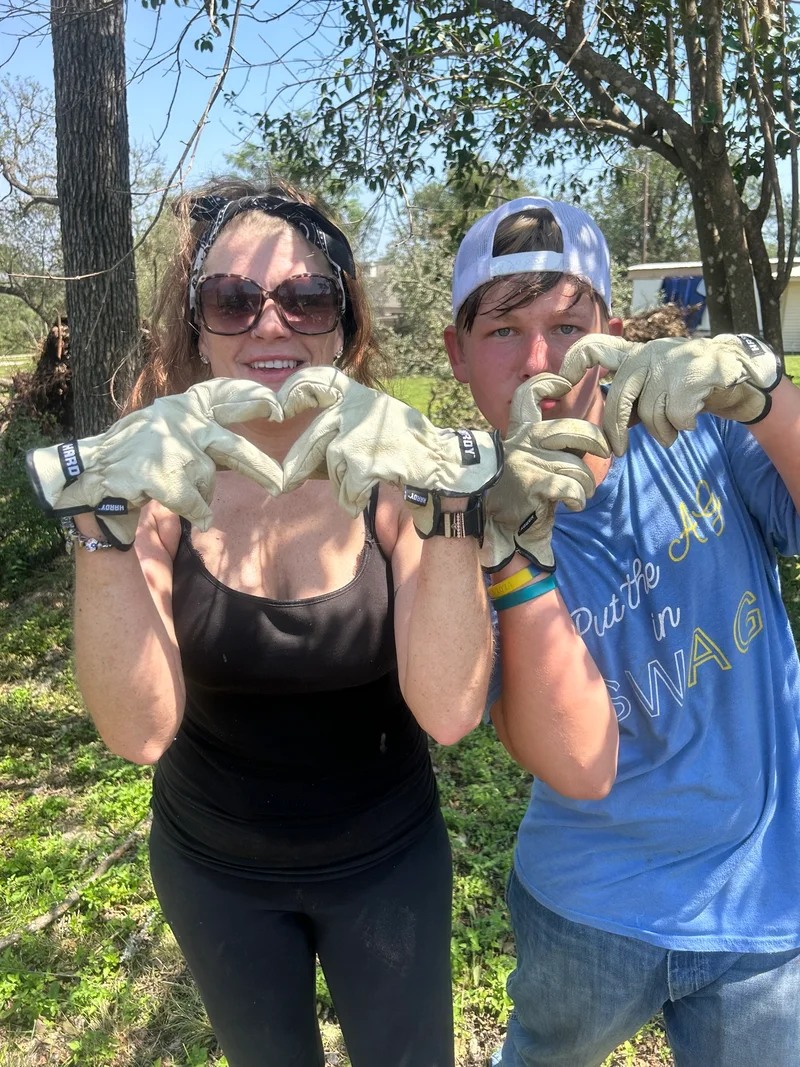
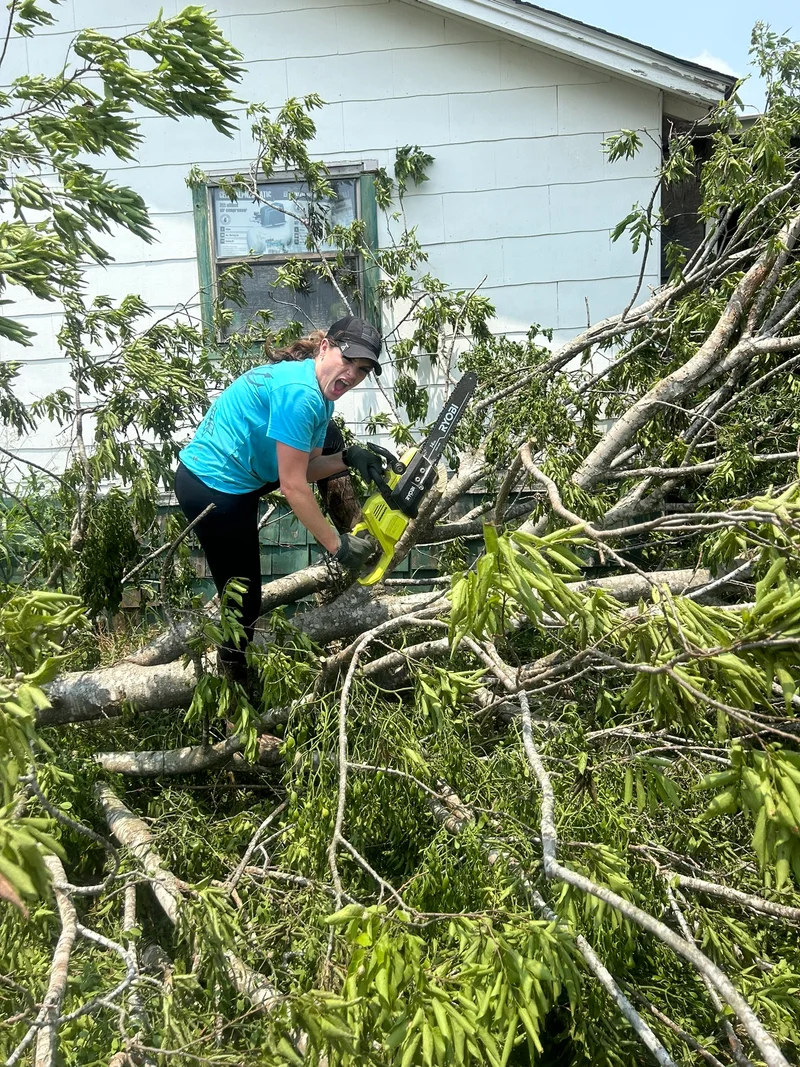
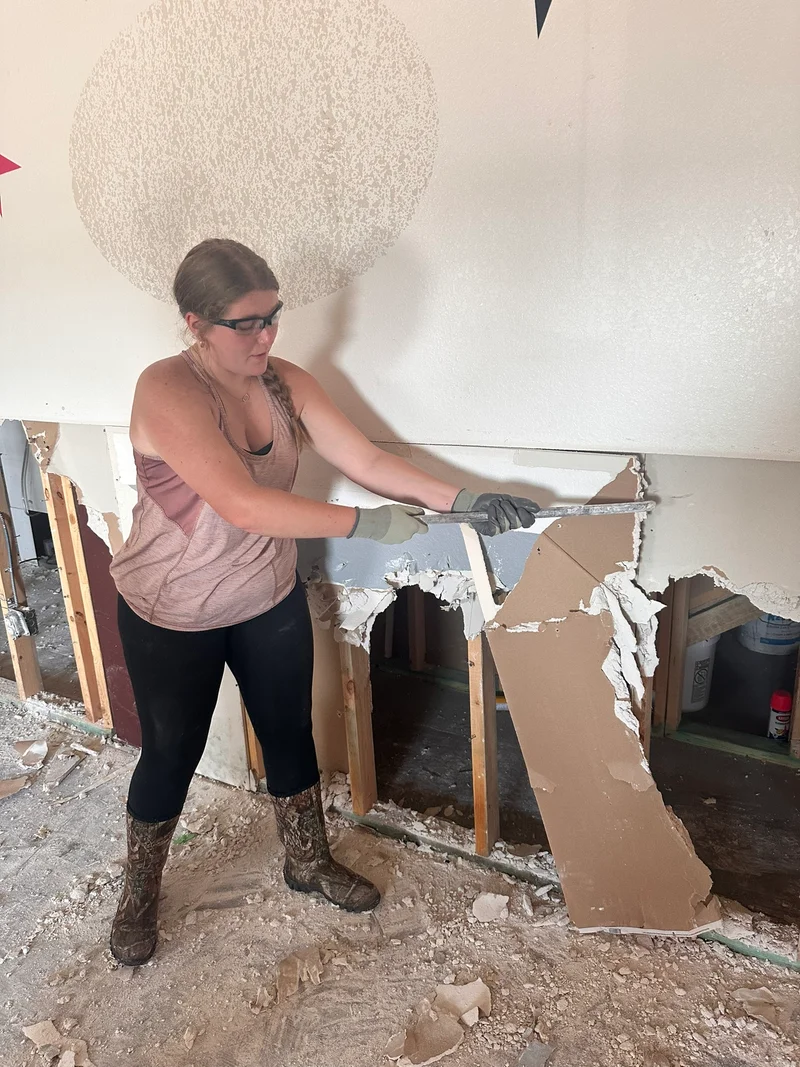
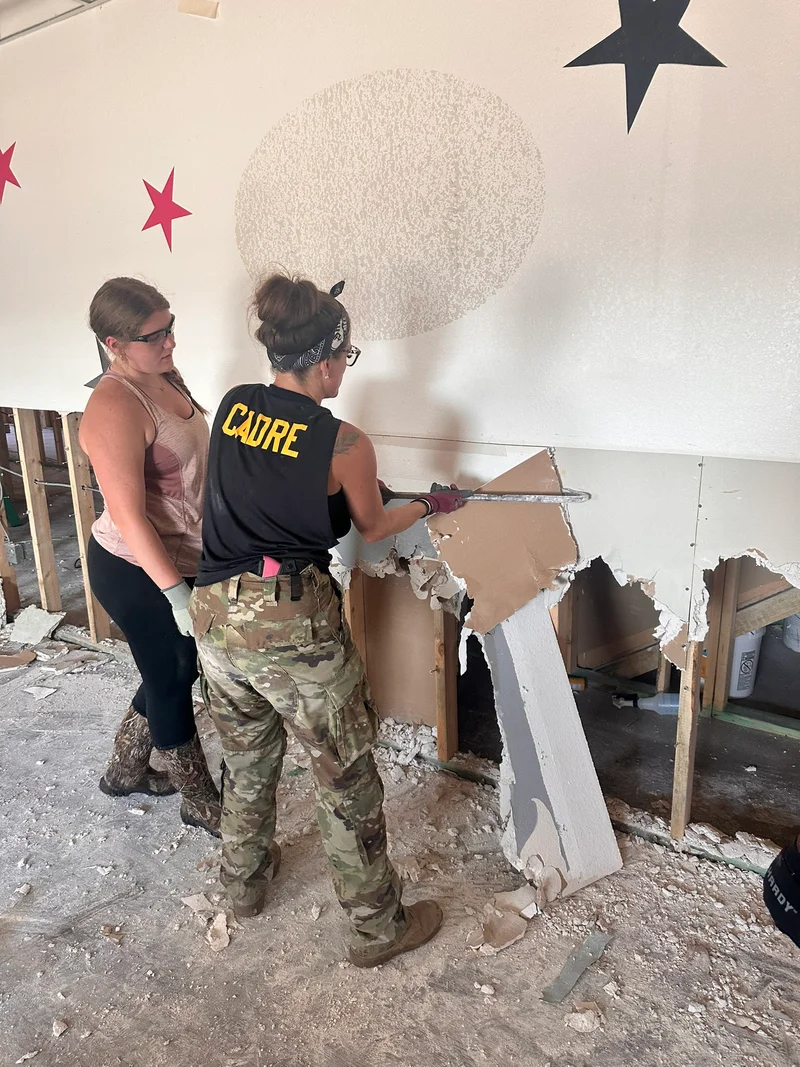
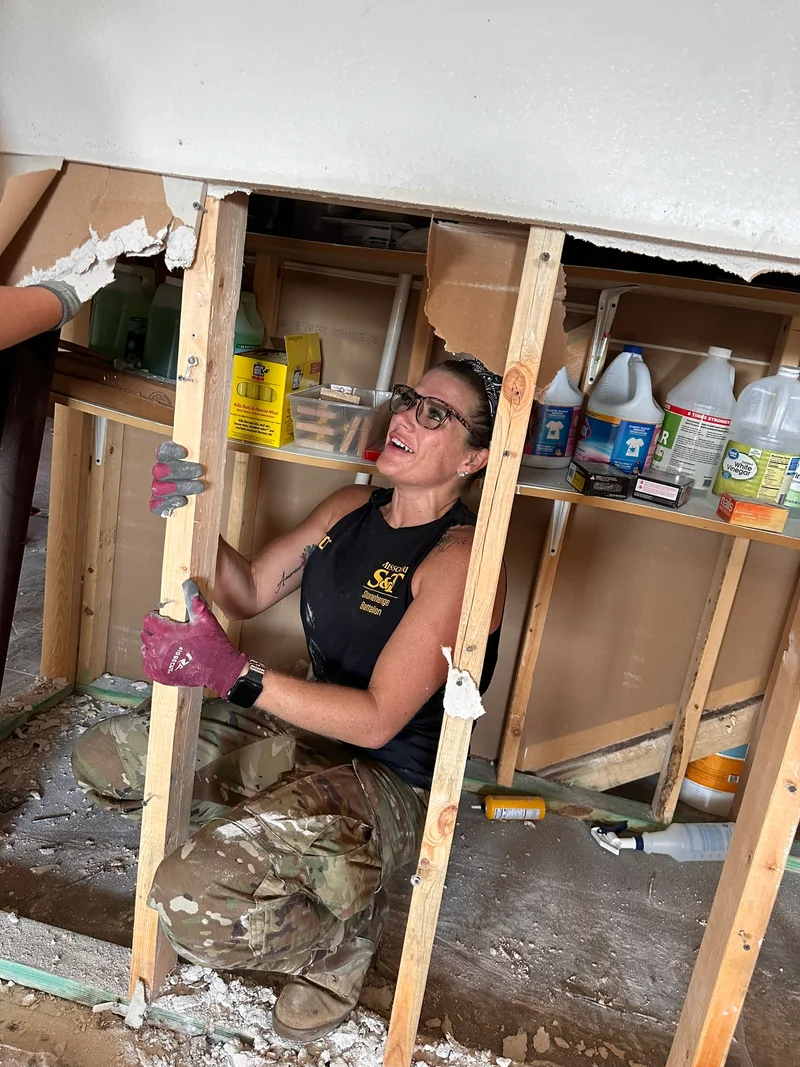
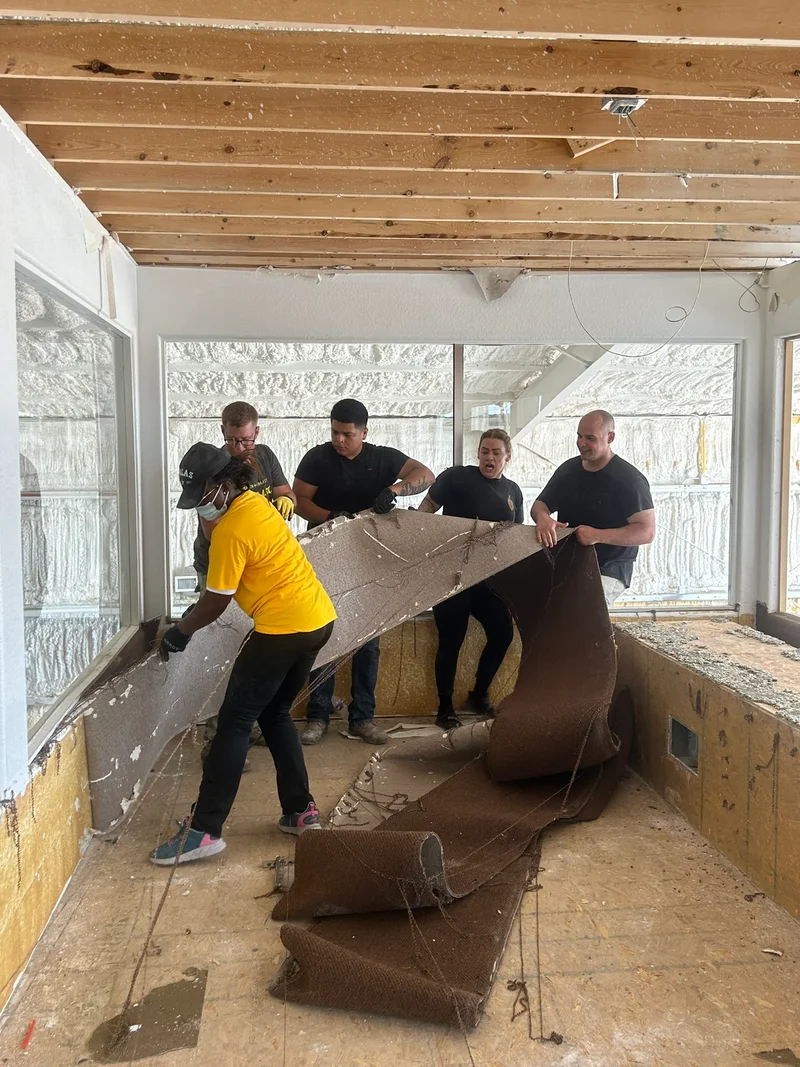
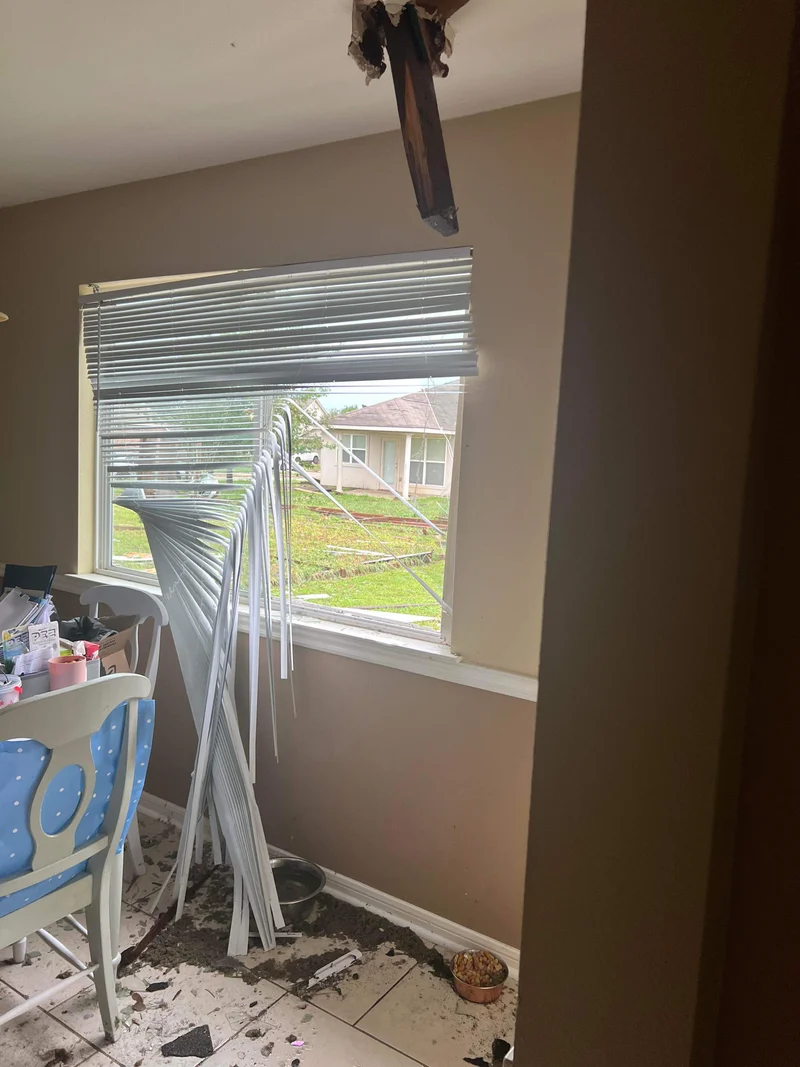
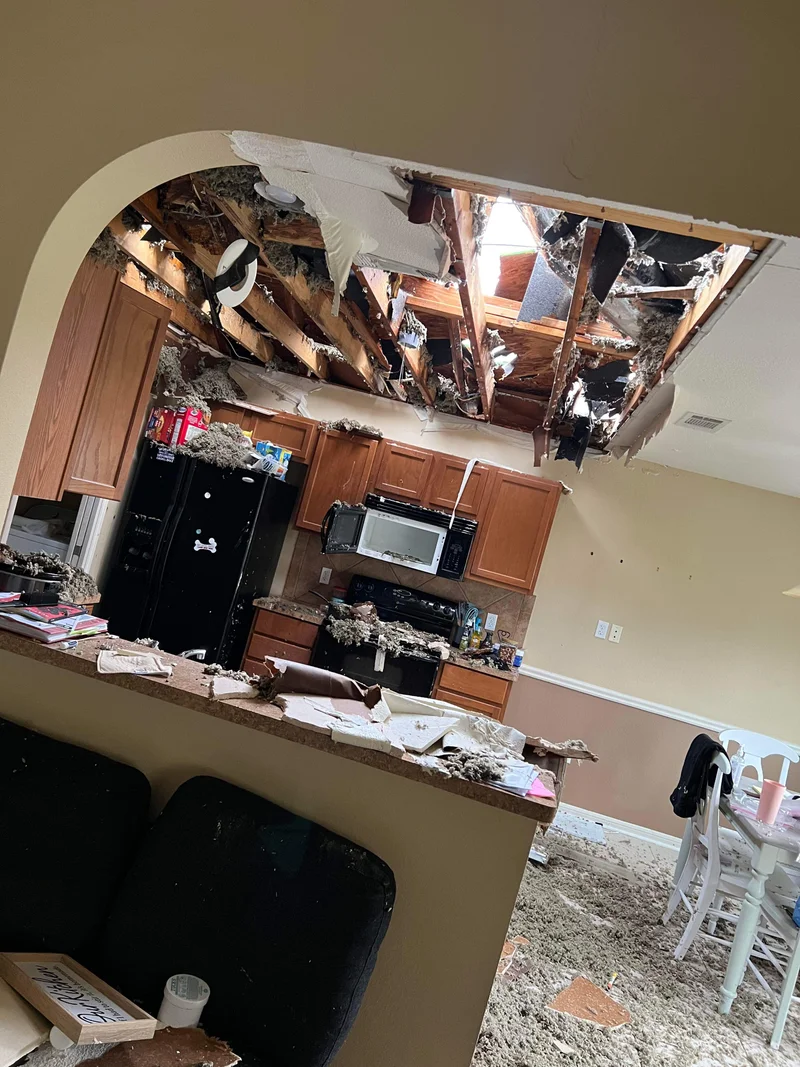
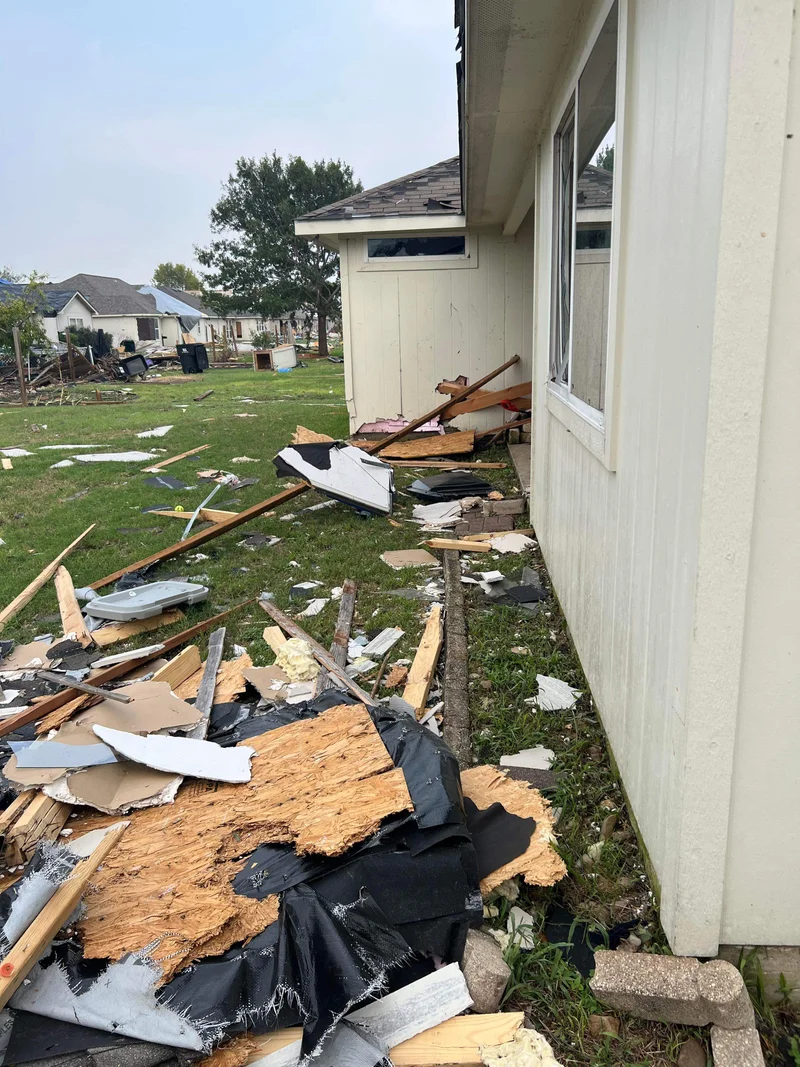
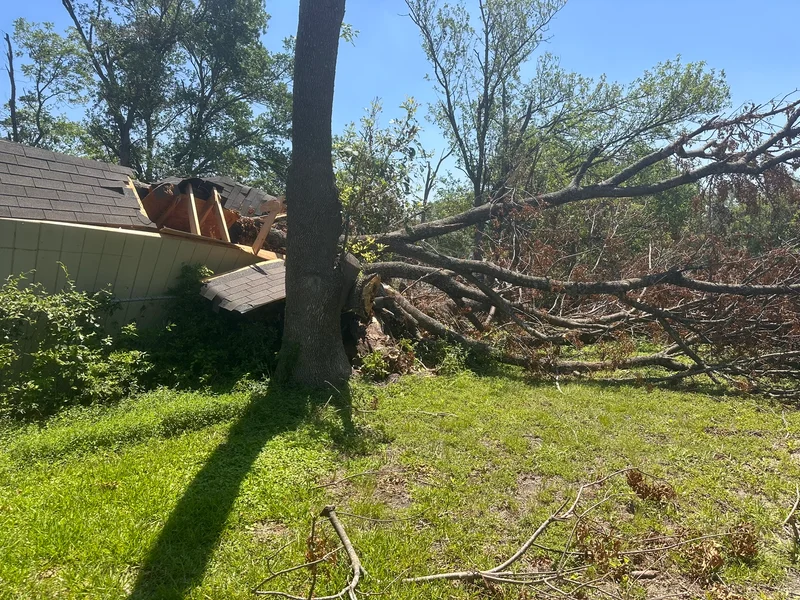
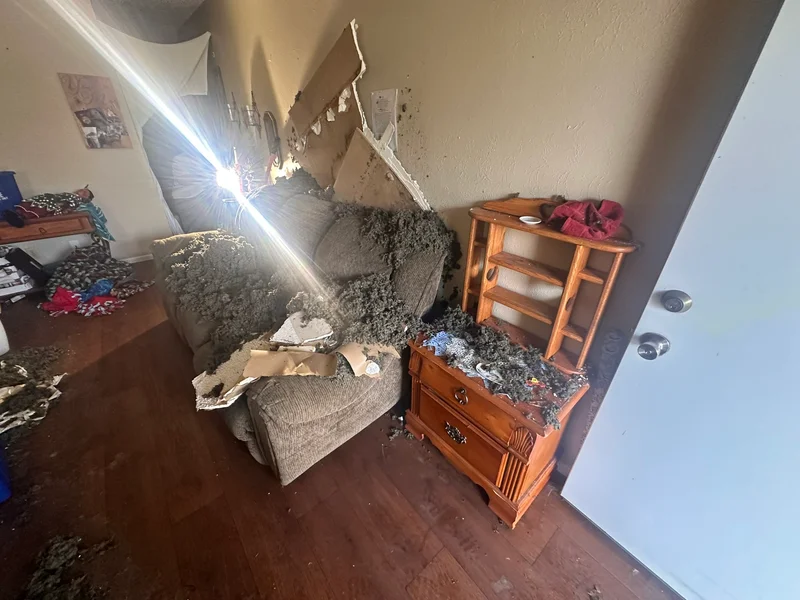
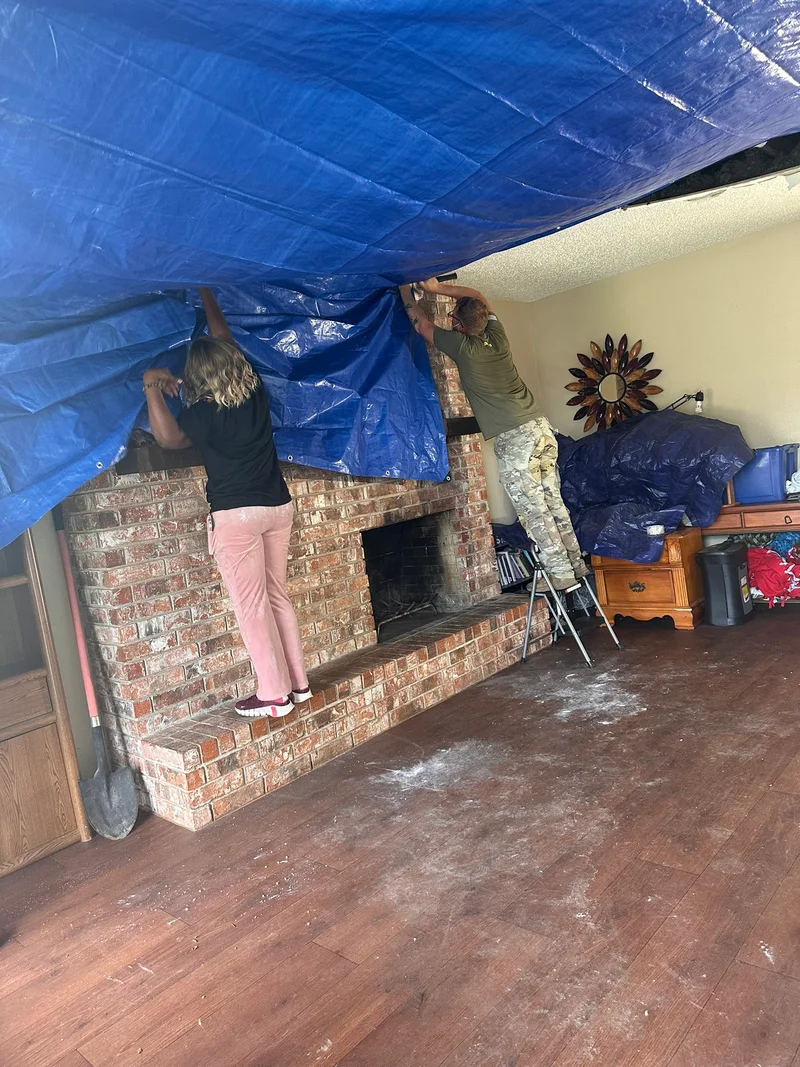
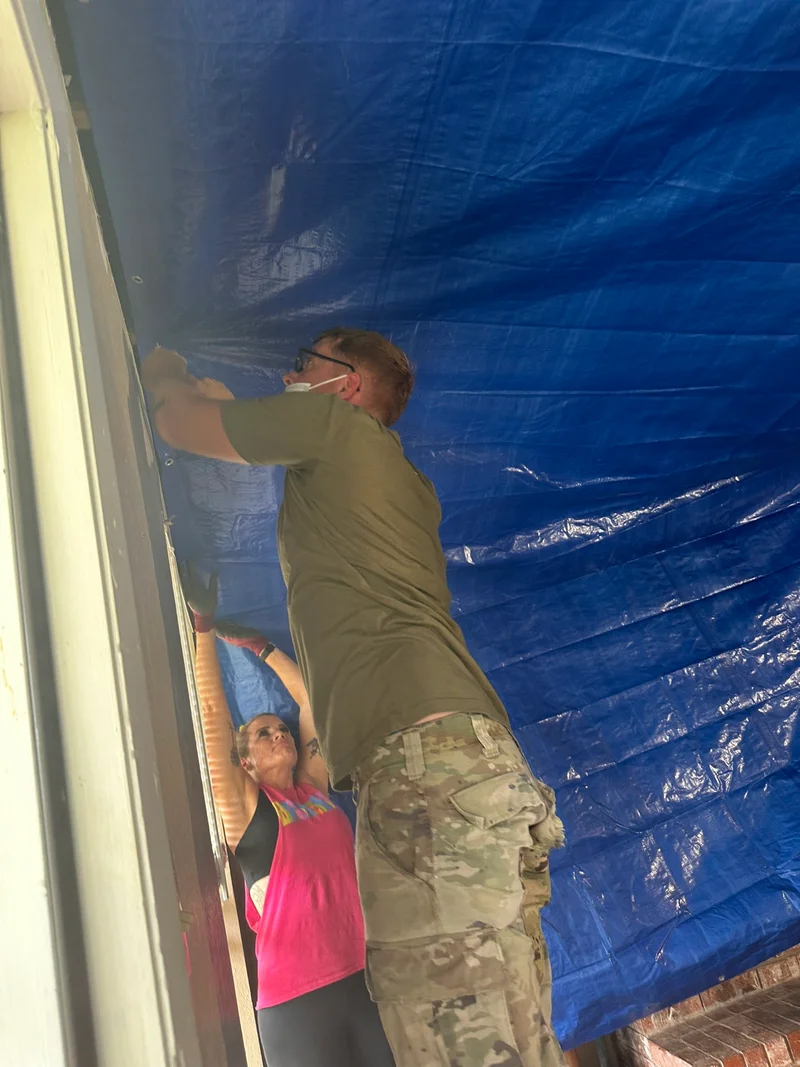
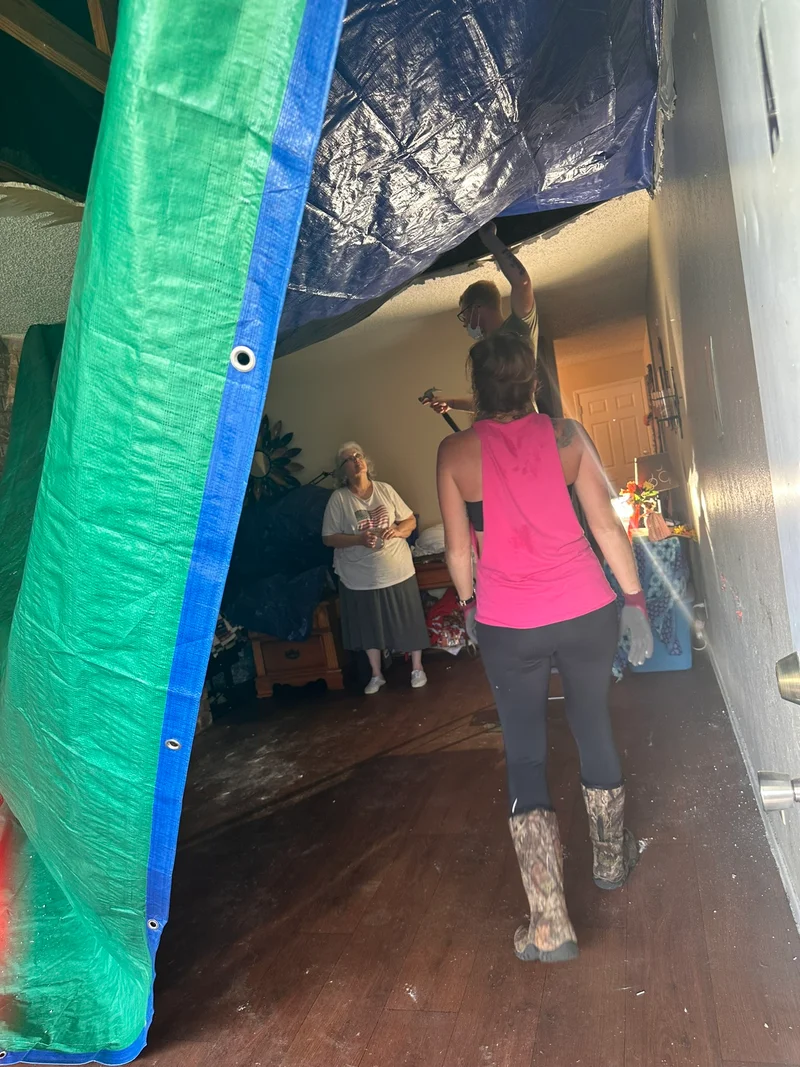
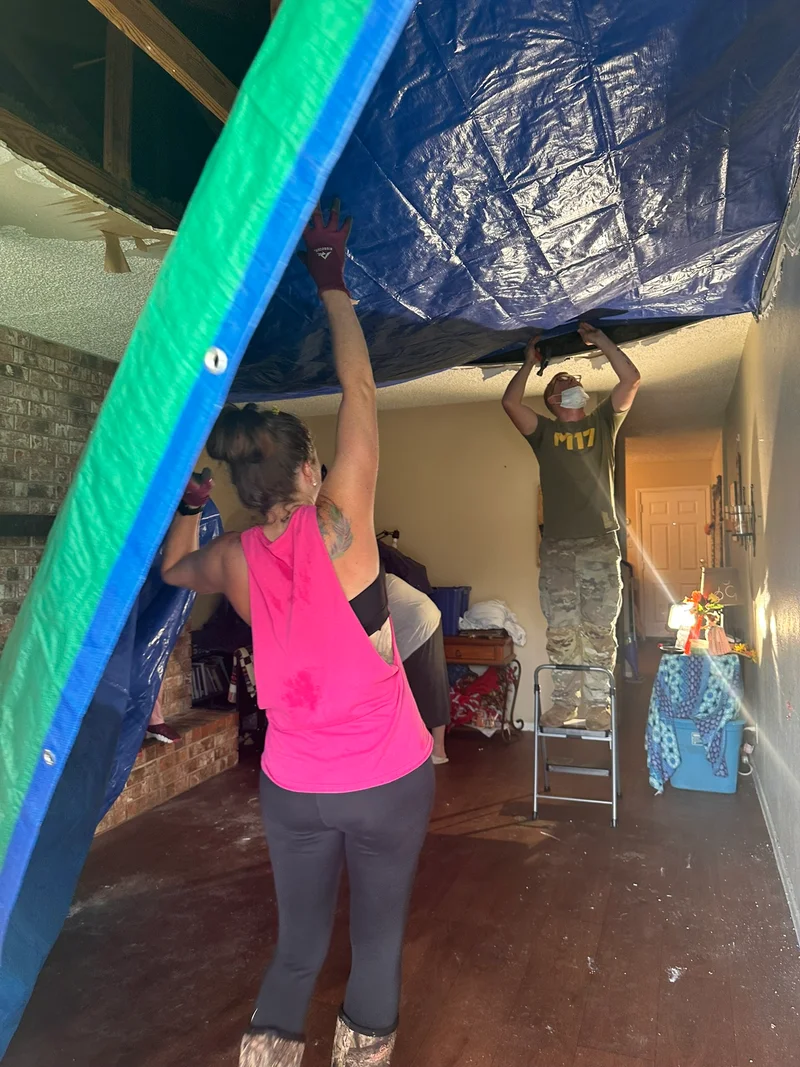
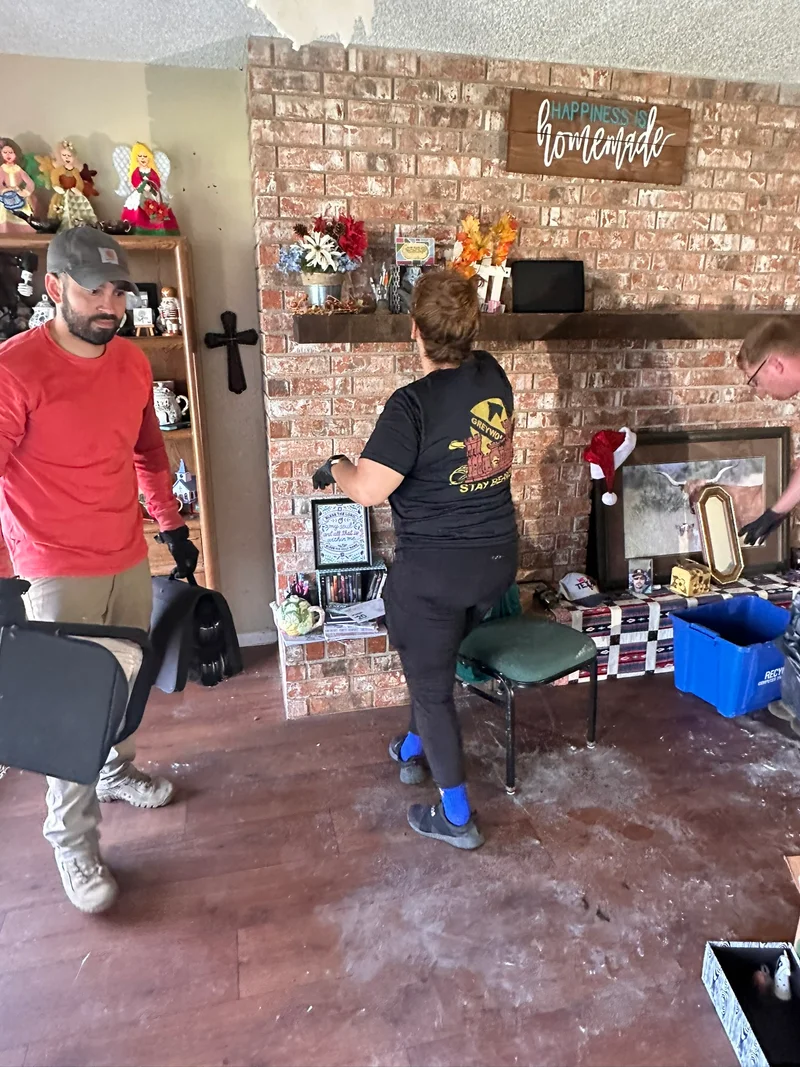
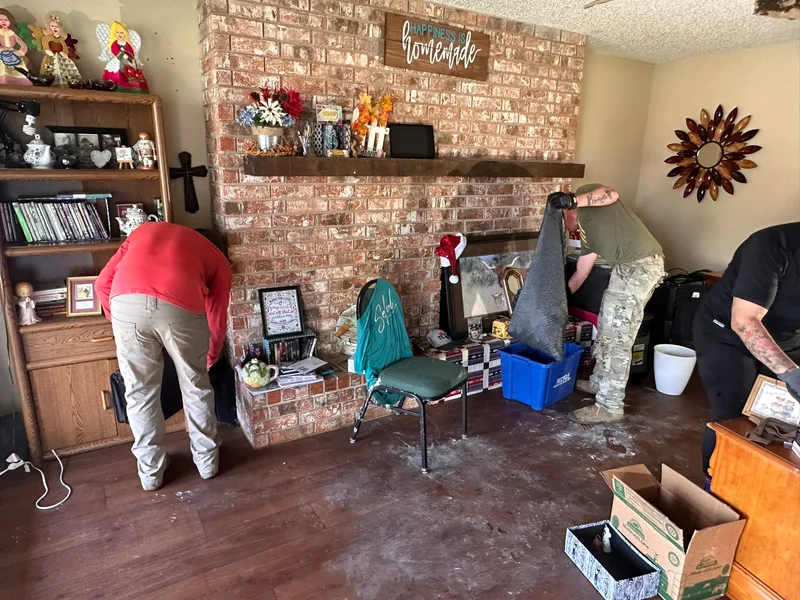
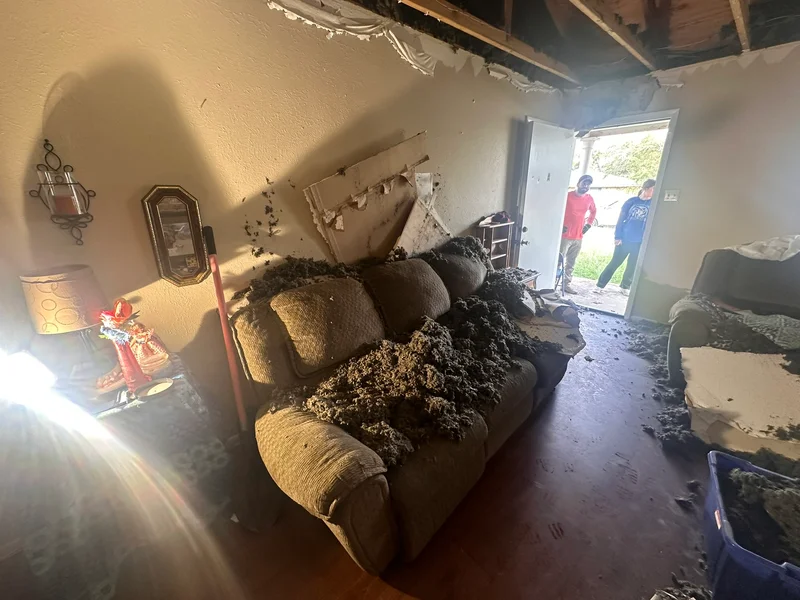
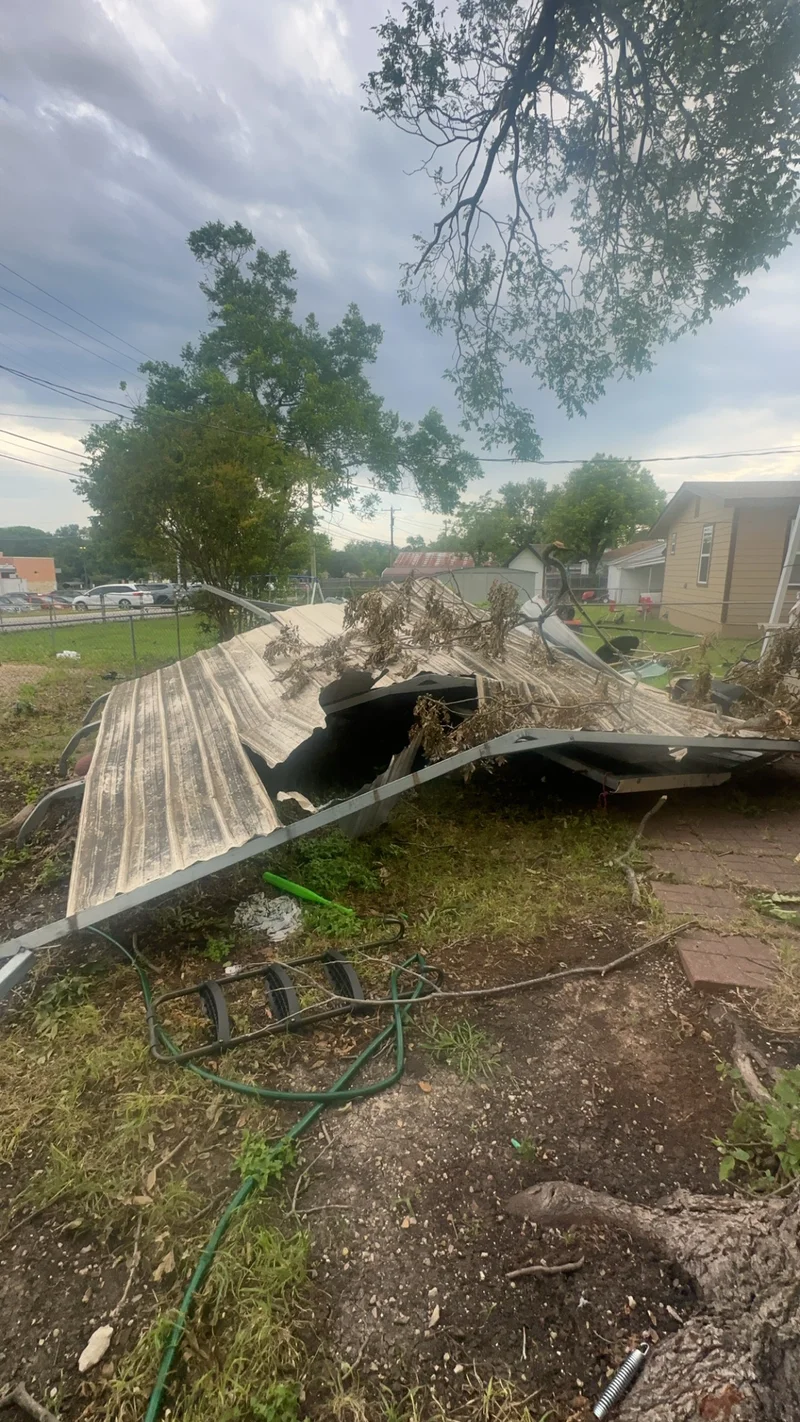
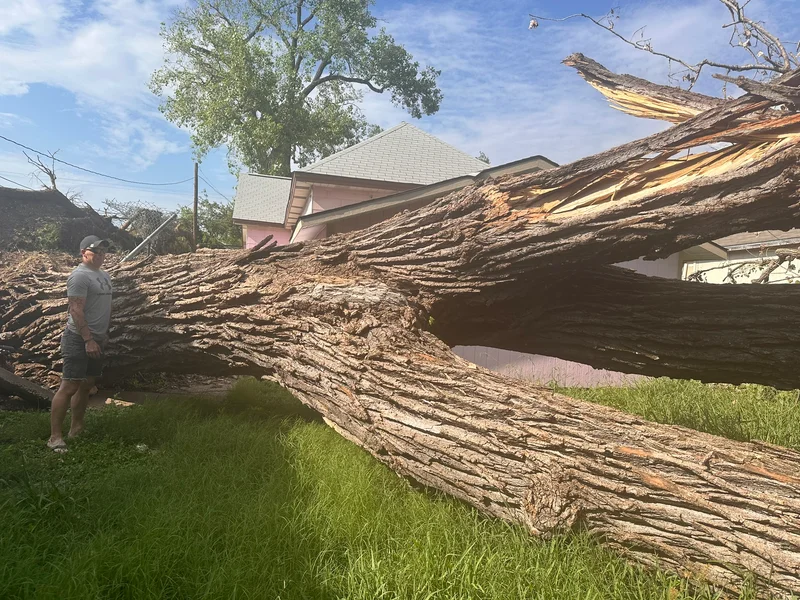
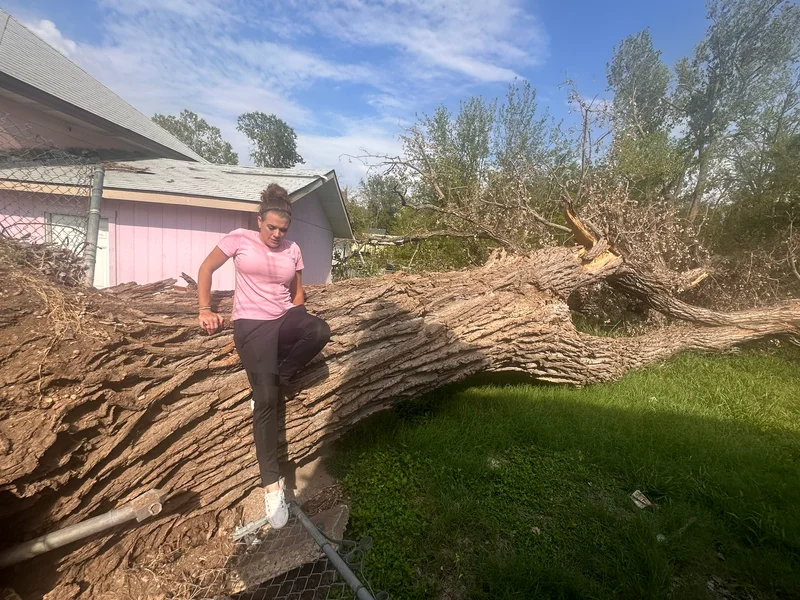
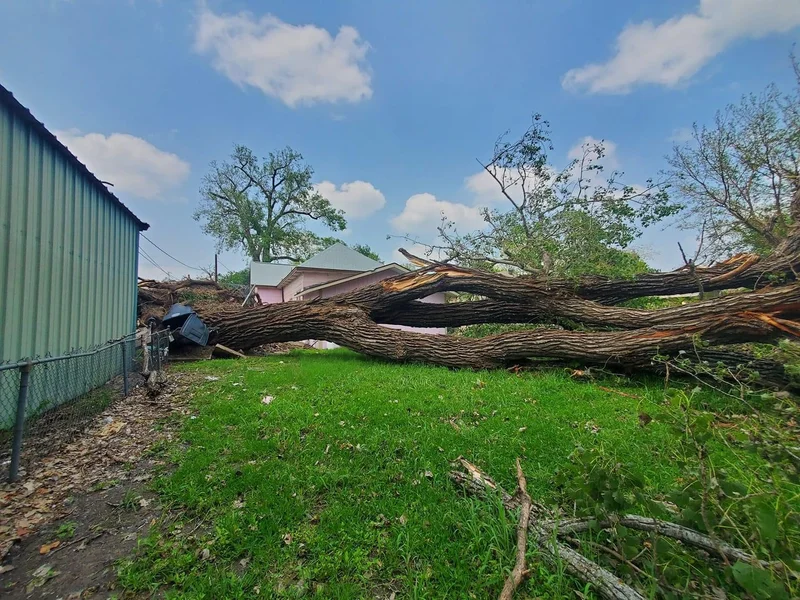
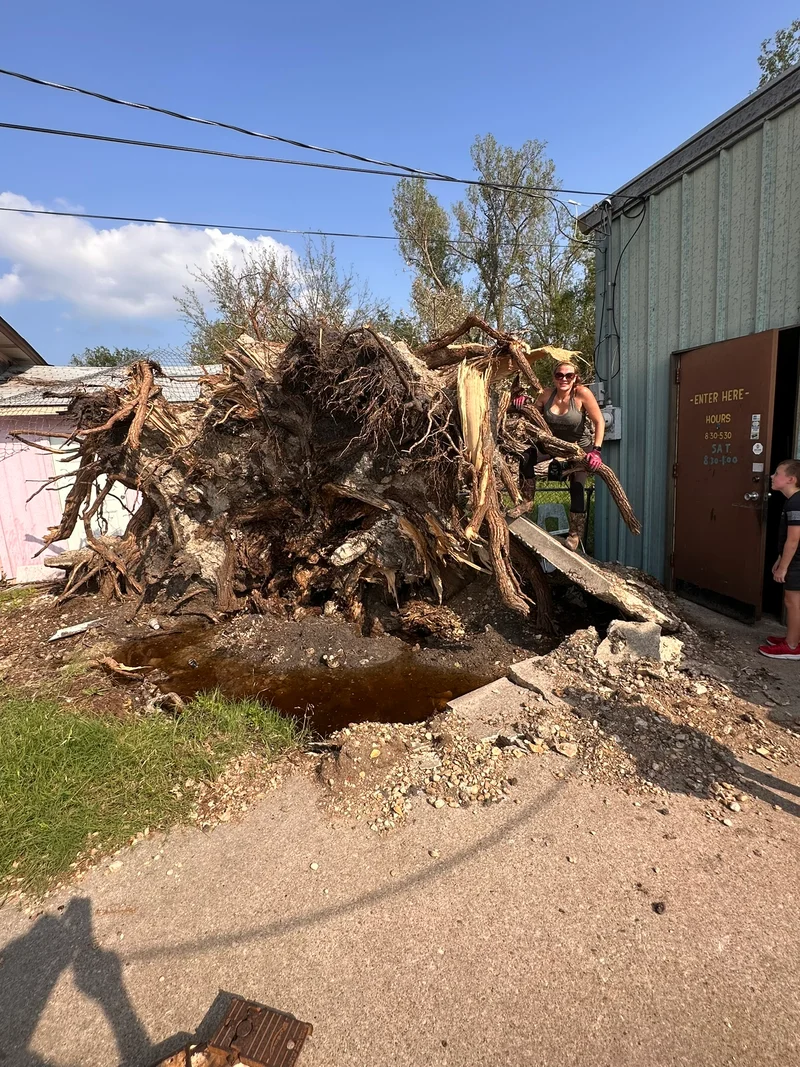
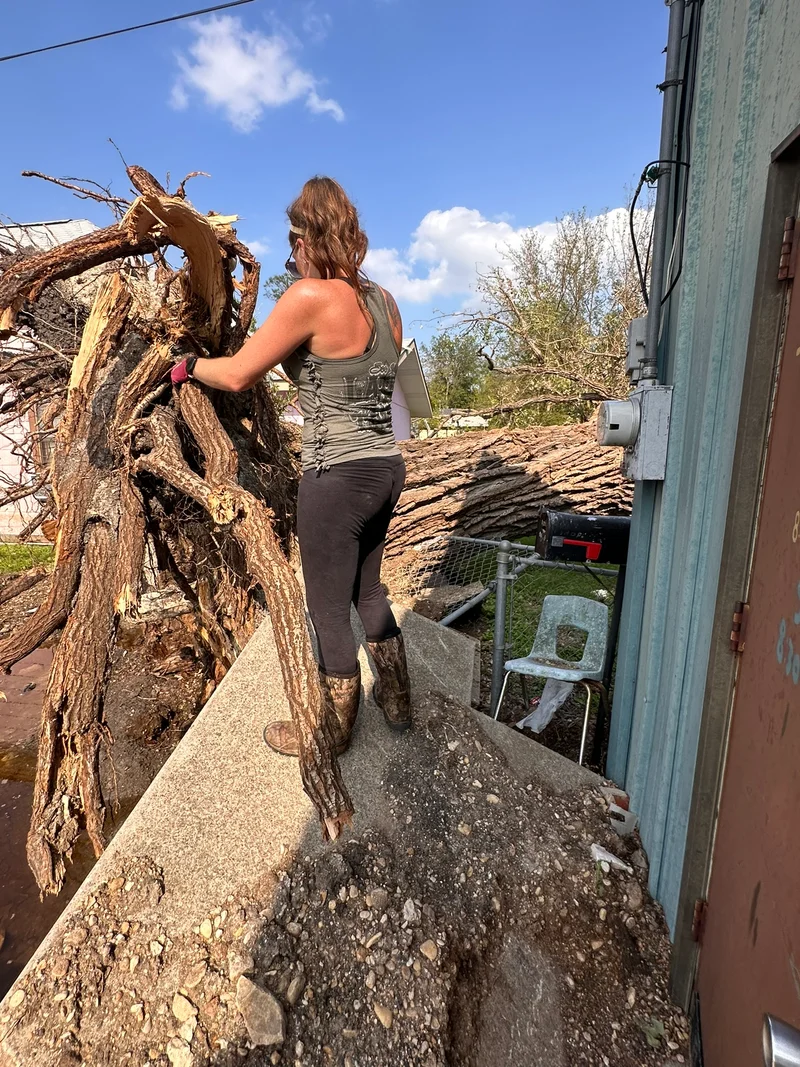
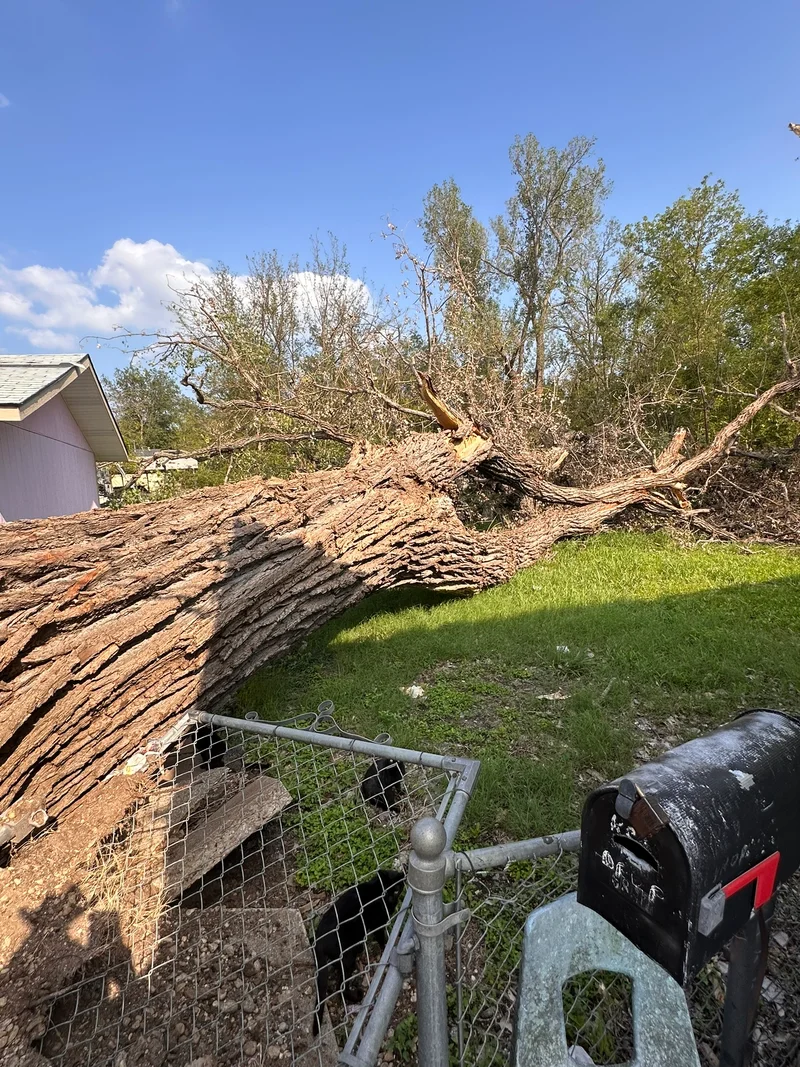
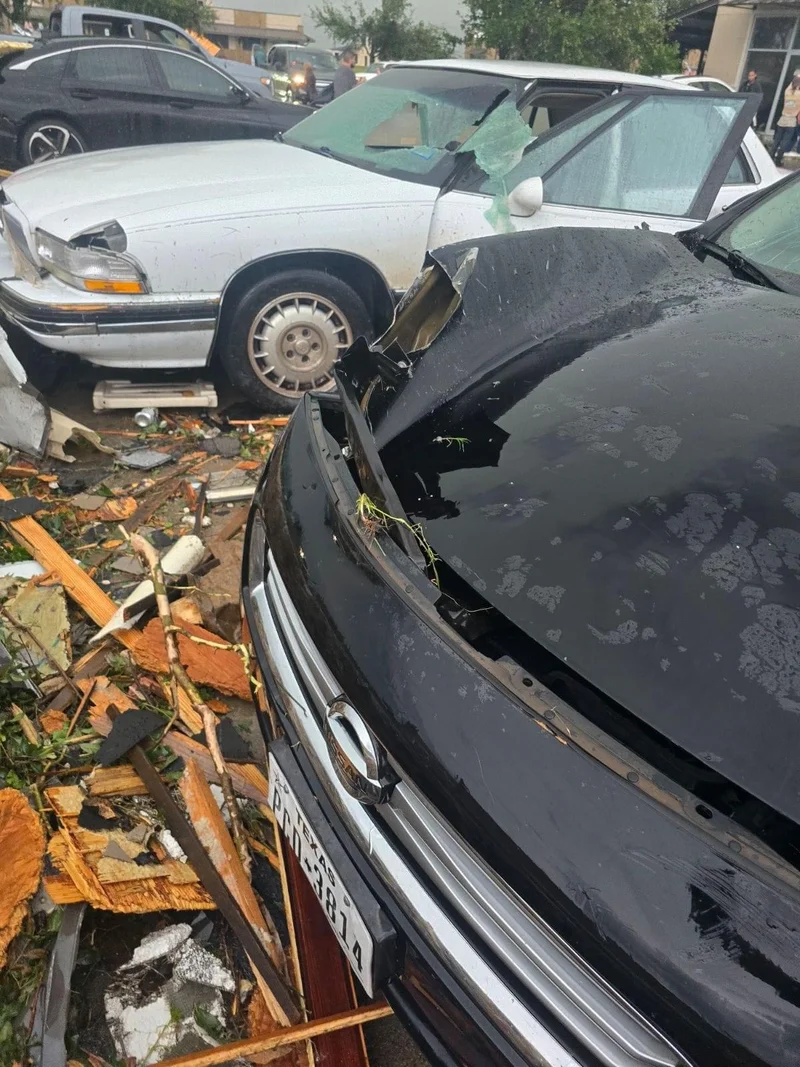
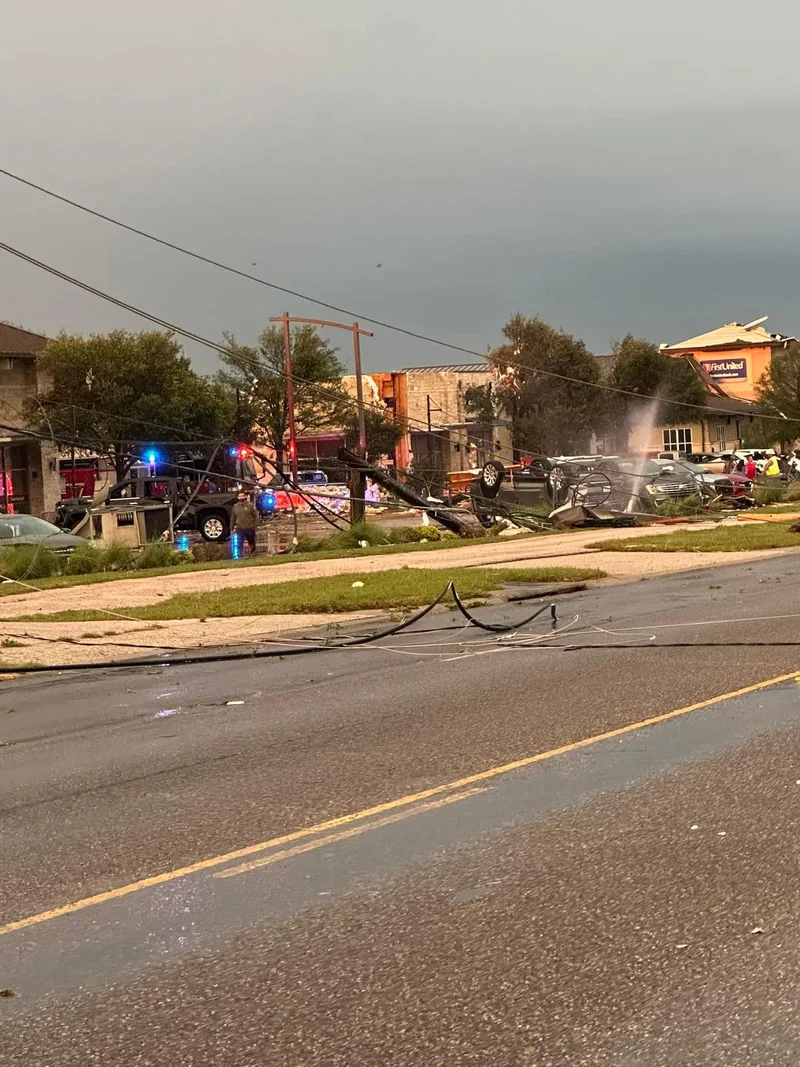
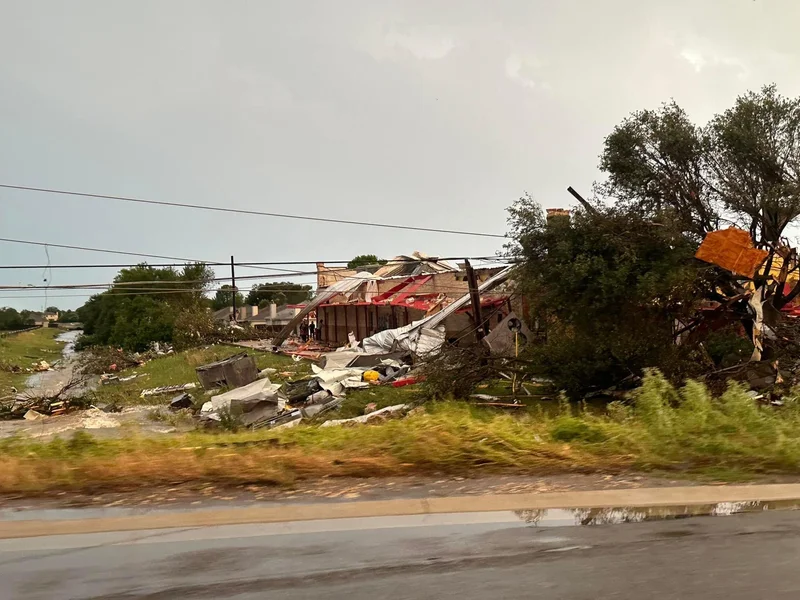
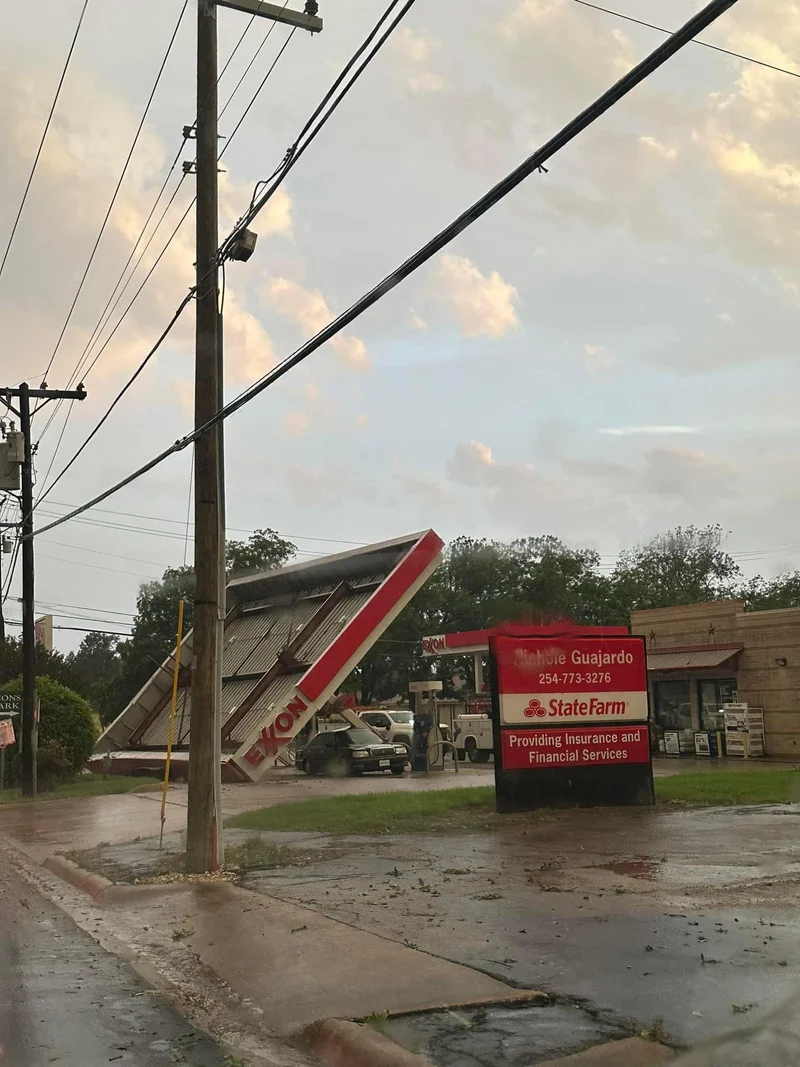
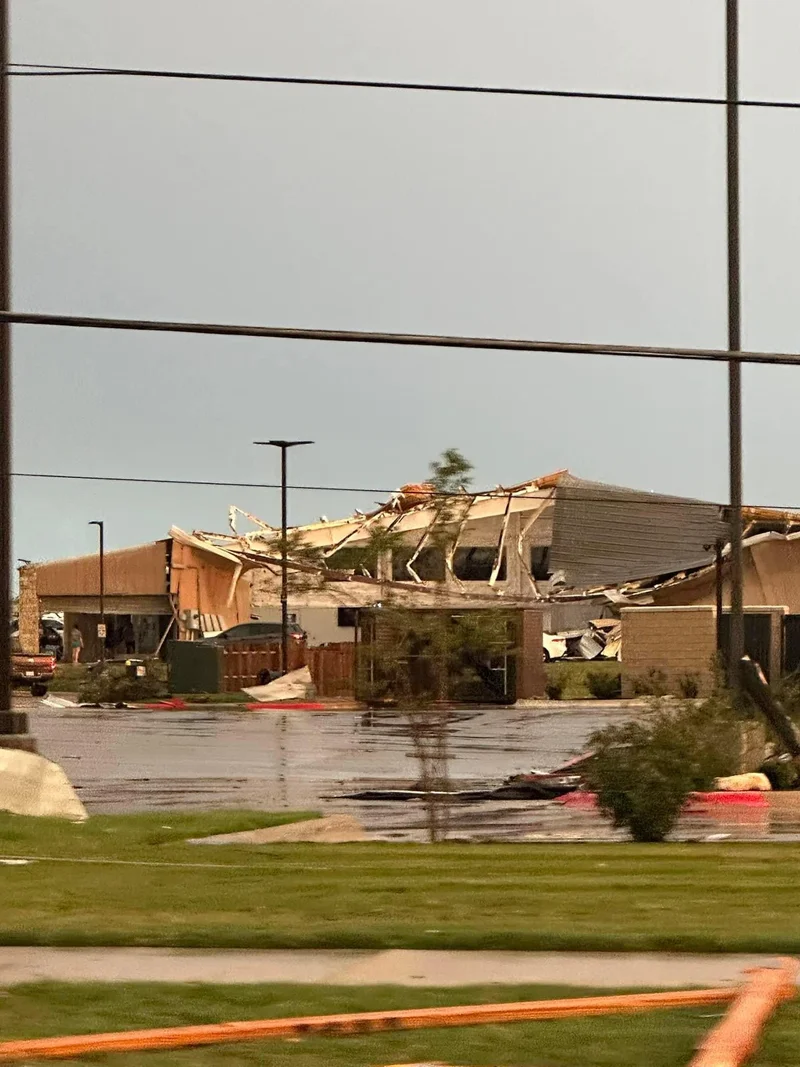
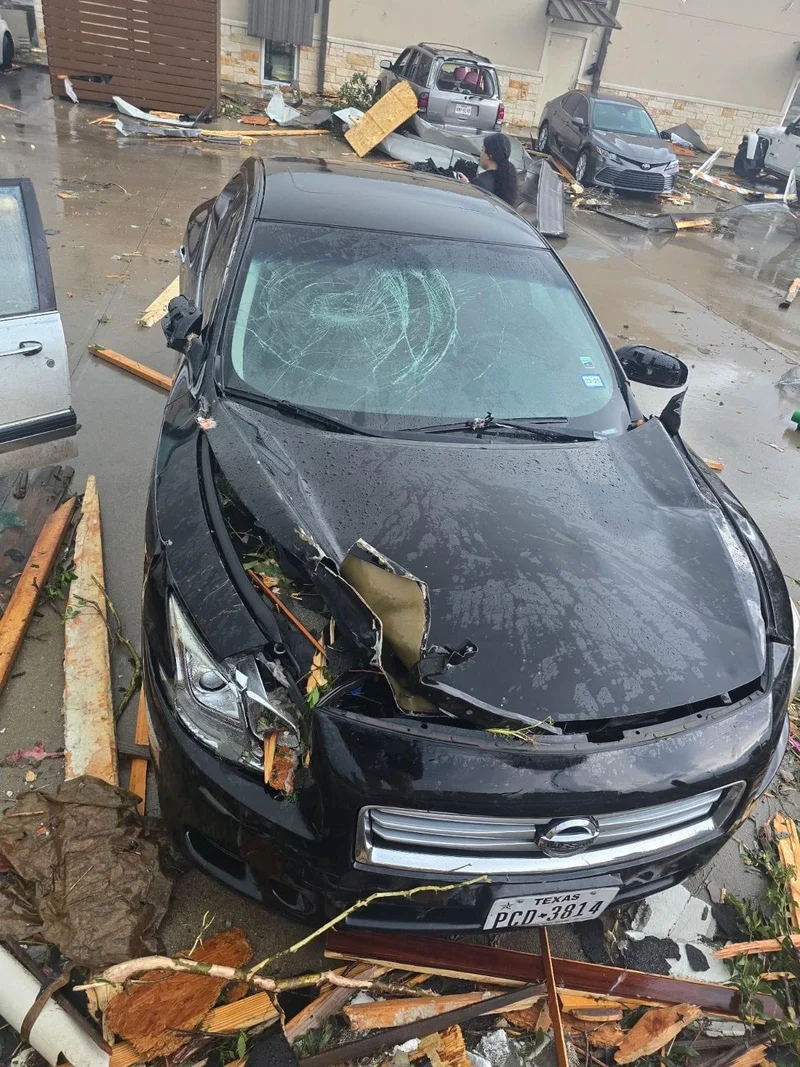
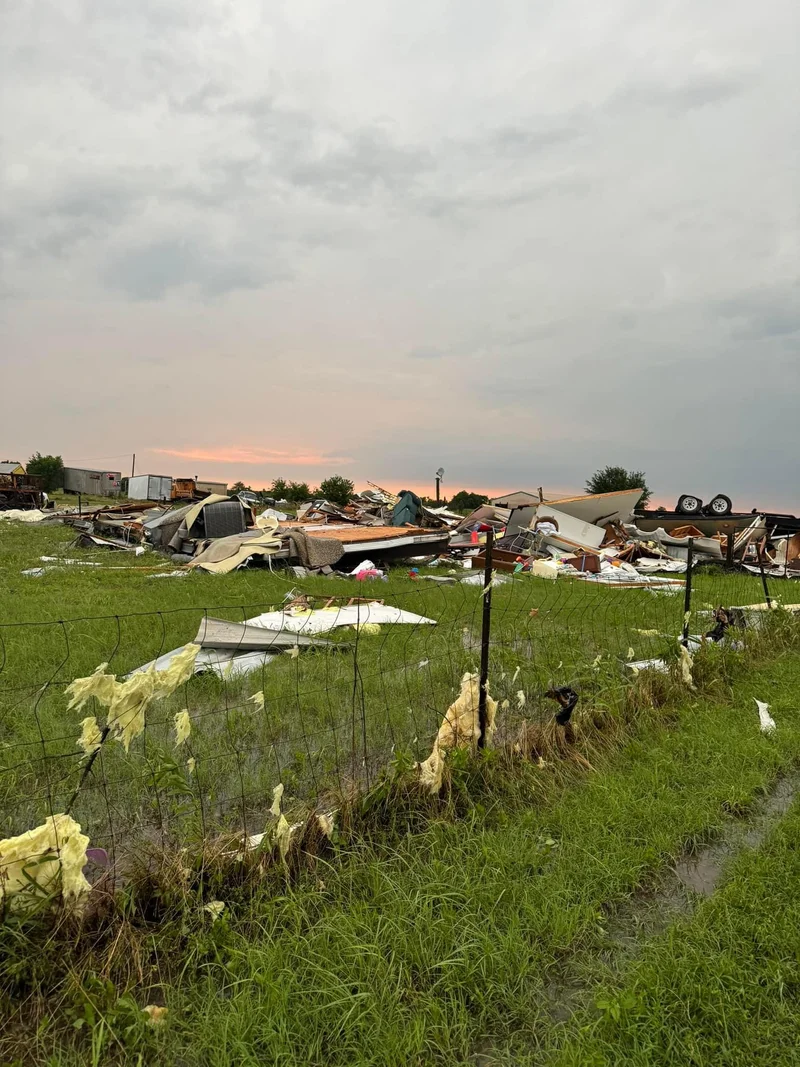
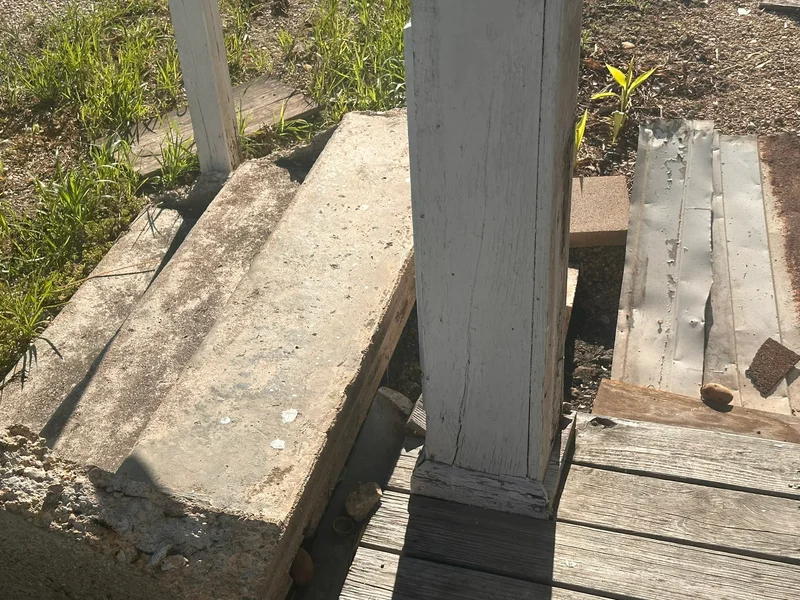
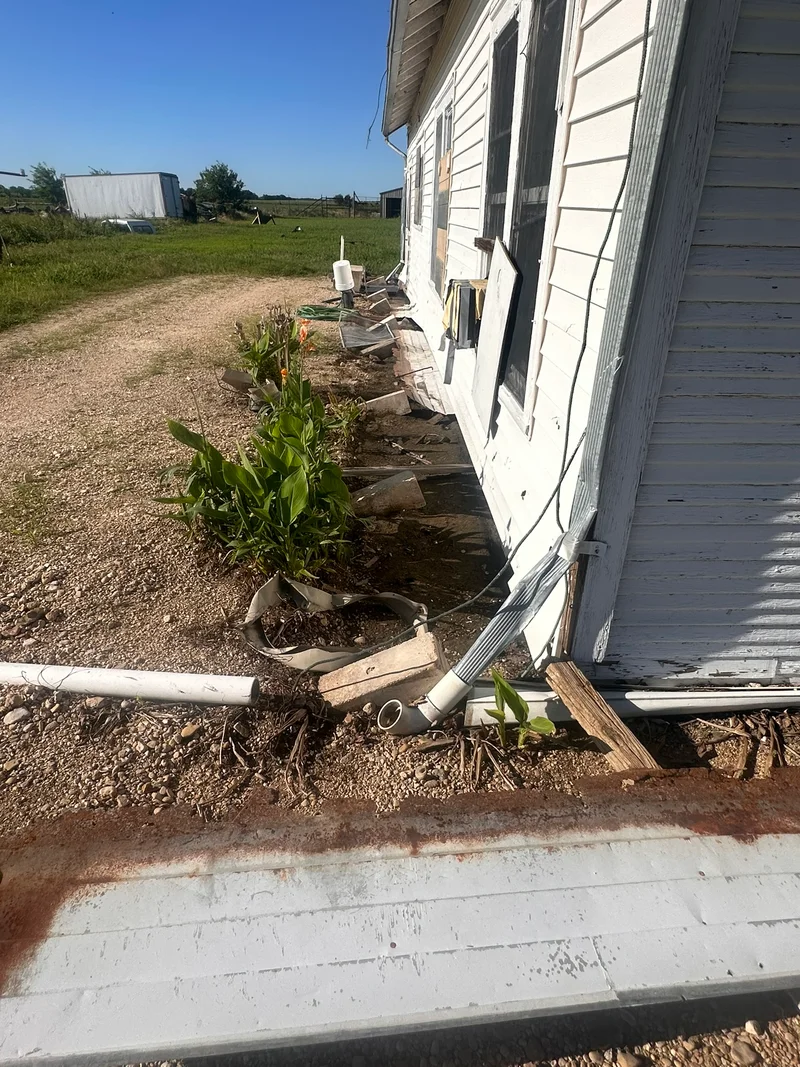
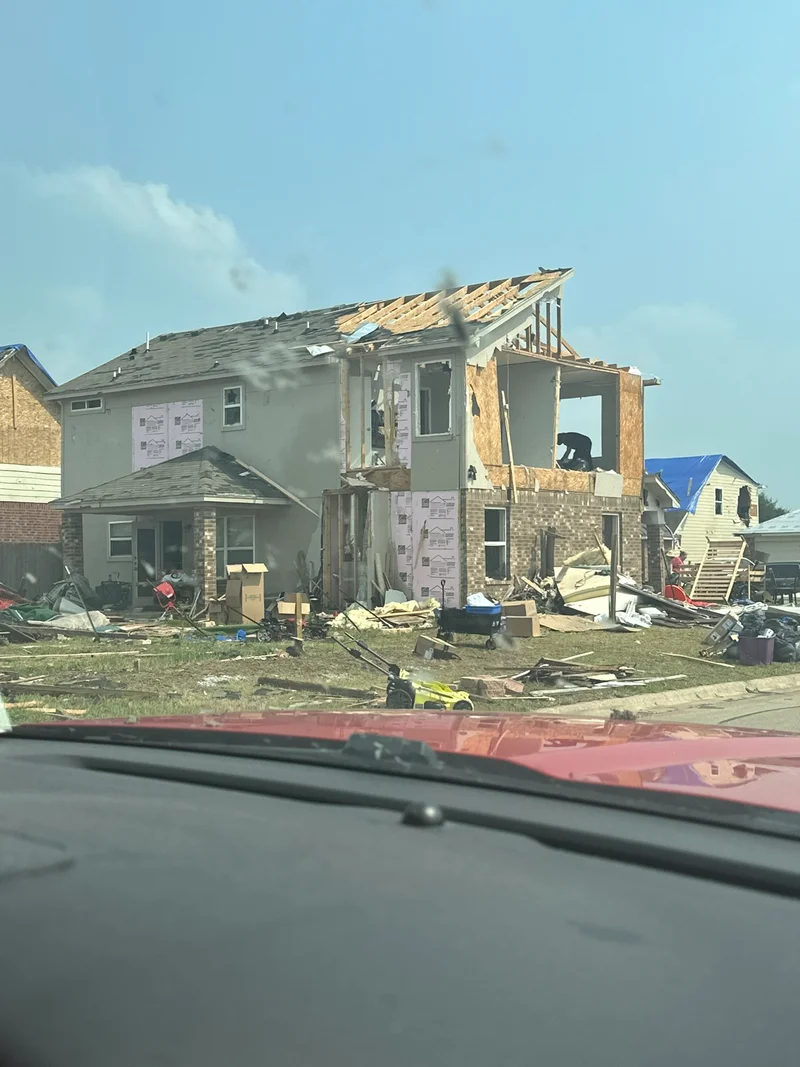
On May 22, 2024, a severe weather system produced multiple tornadoes across Bell County, with two touching down near Belton and Temple. An EF-2 tornado with winds of 120 mph struck Temple, followed by an EF-1 tornado impacting Belton with winds approaching 100 mph, leaving hundreds of families facing extreme damage, displacement, and long-term recovery needs.
When Tornadoes Struck Central Texas
On May 22, 2024, a severe weather system produced multiple tornadoes across Bell County, with two touching down near Belton and Temple. These tornadoes caused widespread destruction and disrupted lives, infrastructure, and community continuity.
The Tornadoes' Impact
Temple, Texas Tornado
- Rated EF-2
- Wind speeds of 120 mph
- Estimated damages: $250 million
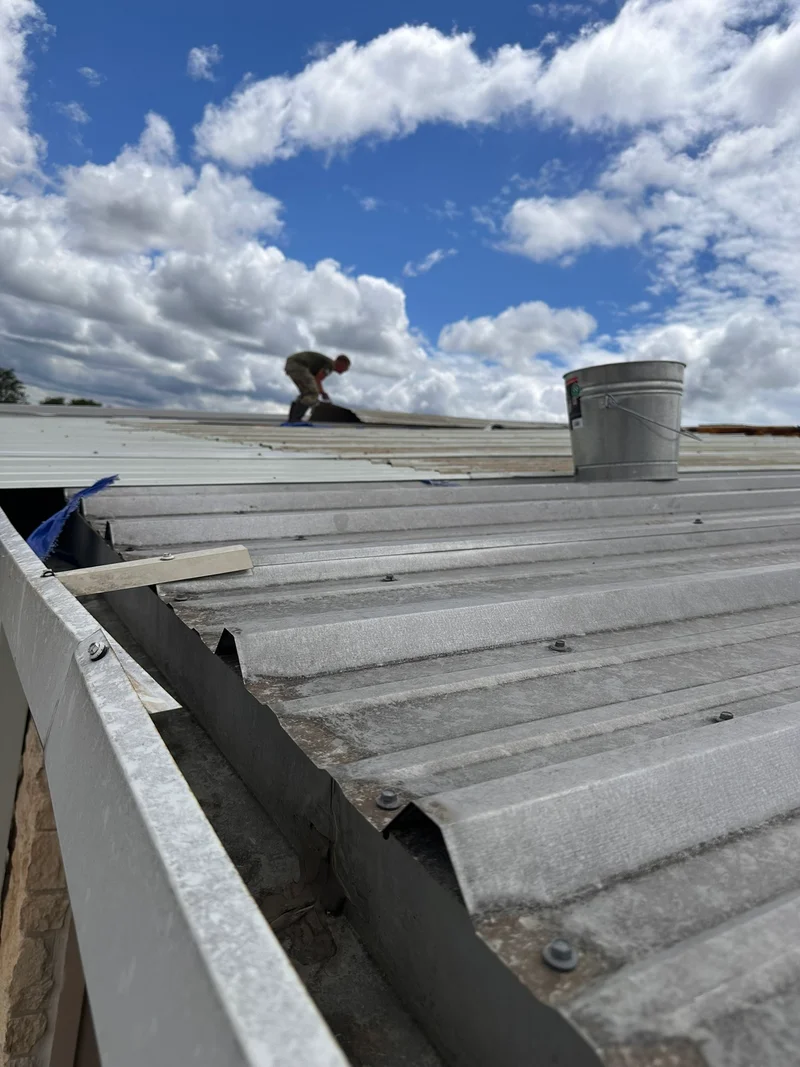
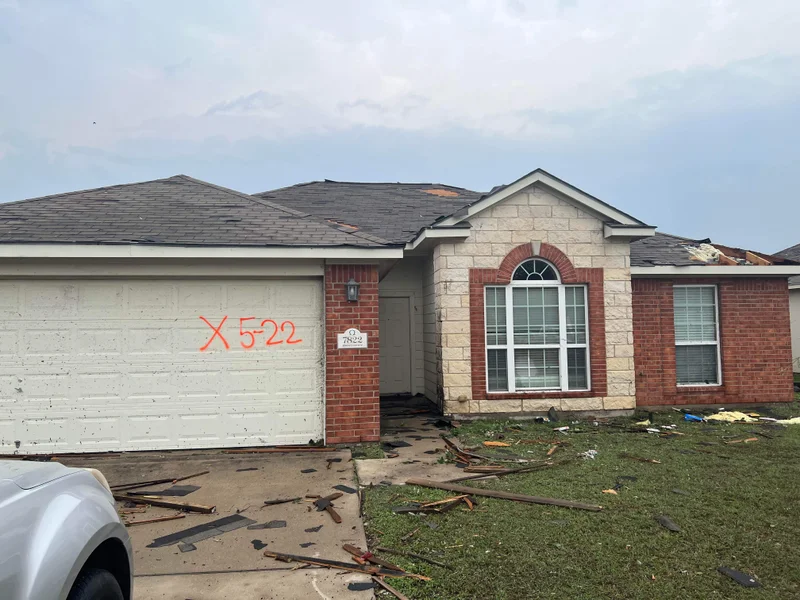
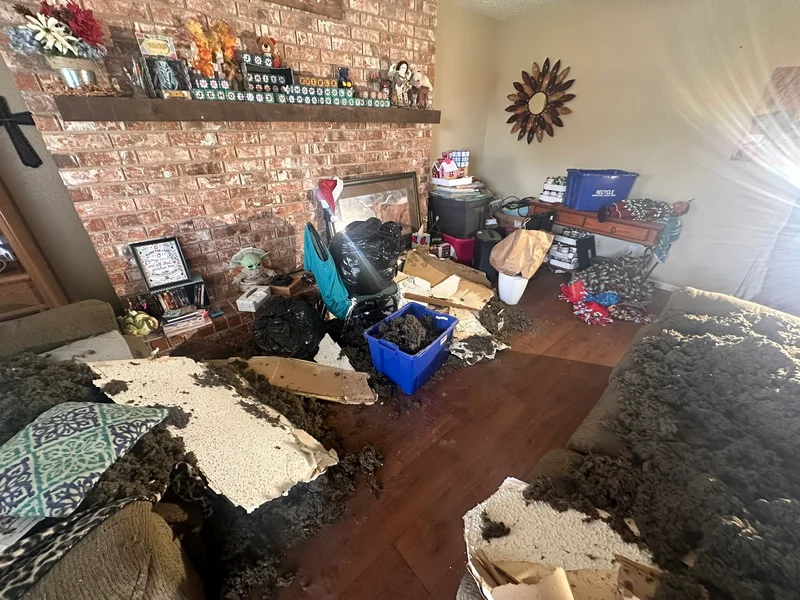
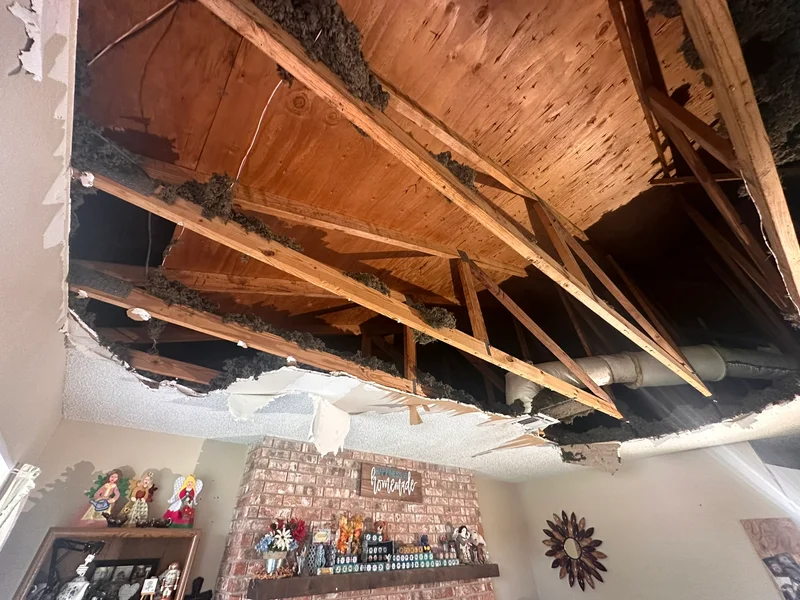
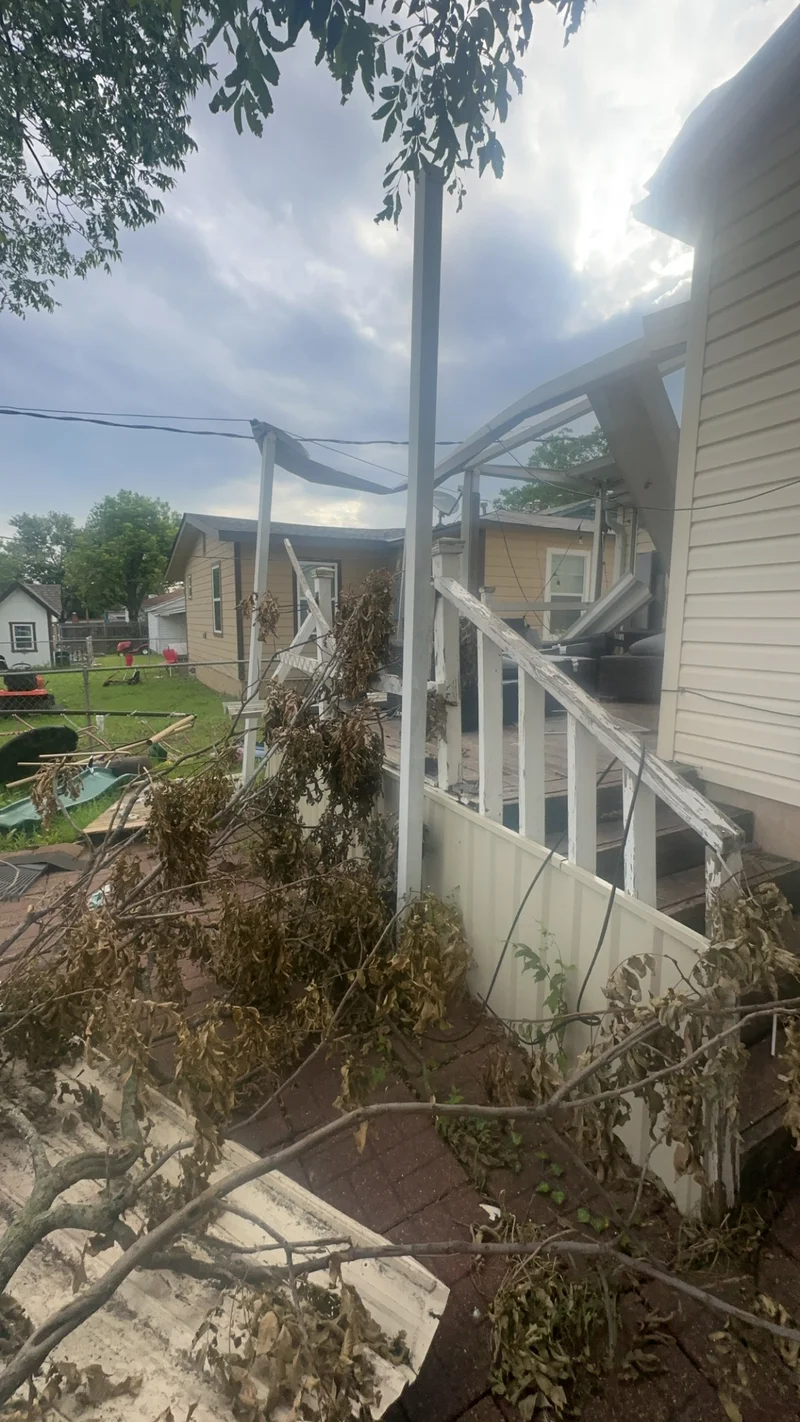
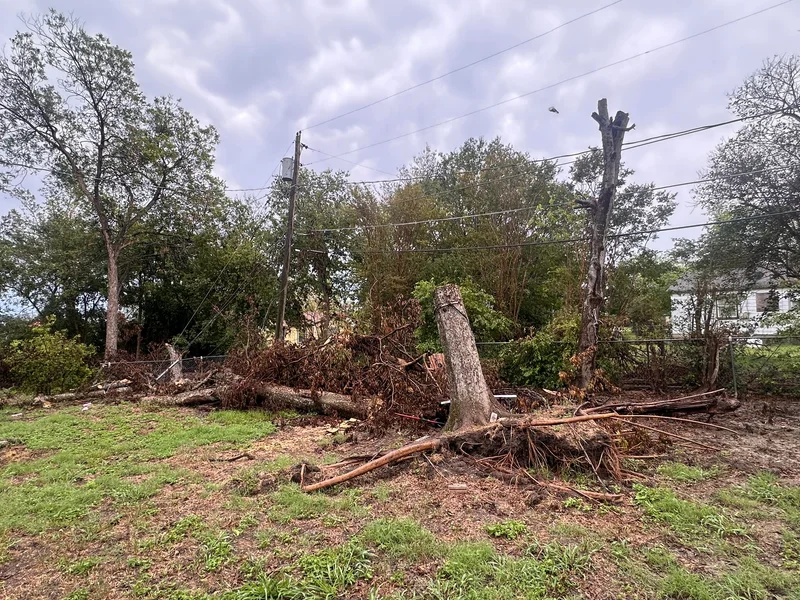
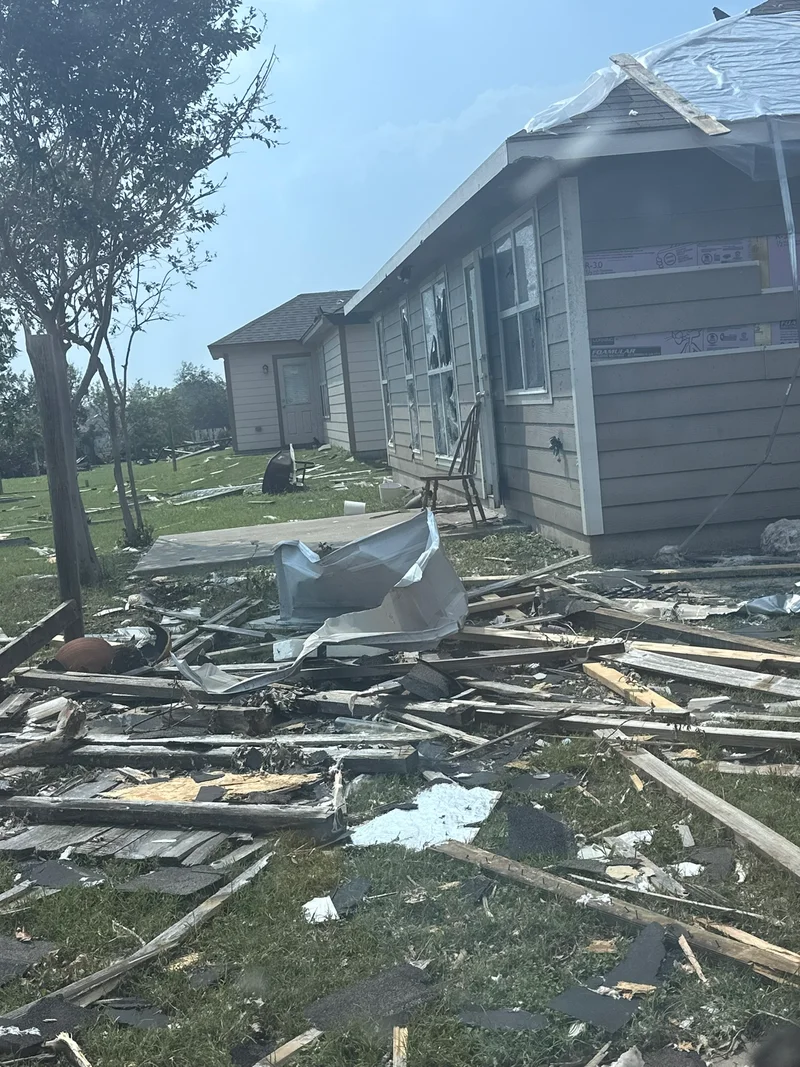
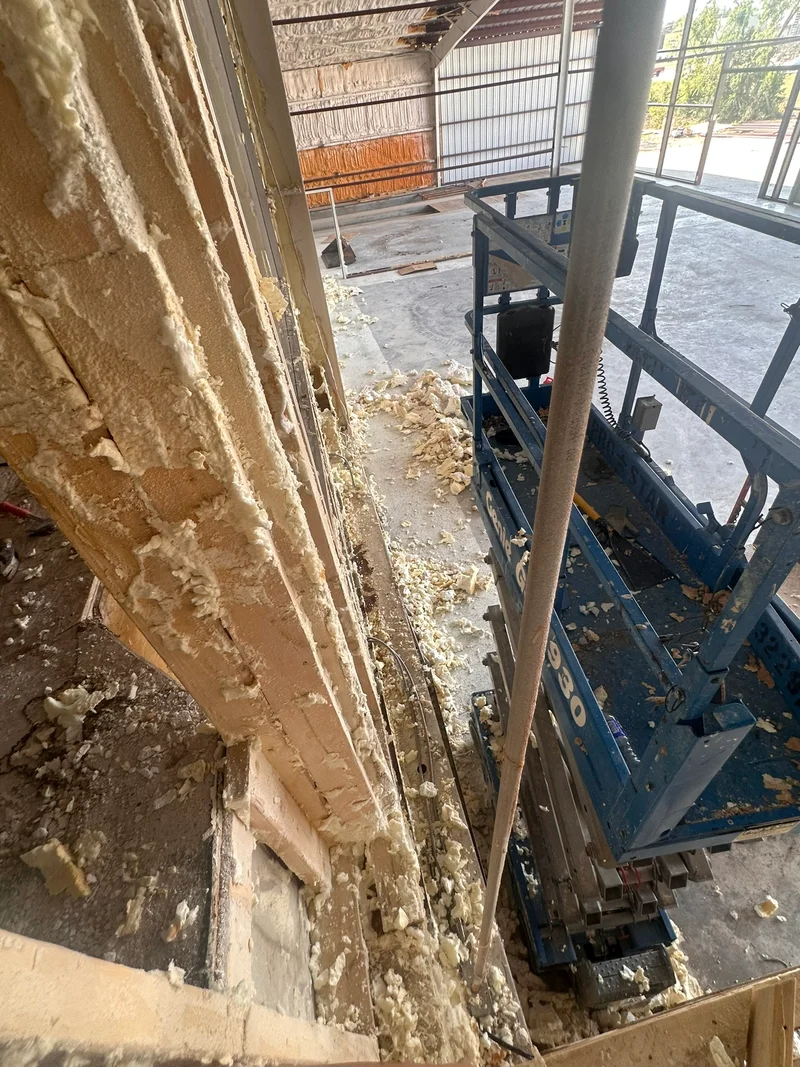
These wind speeds caused significant structural damage, including homes rendered uninhabitable, businesses heavily damaged, and public infrastructure impacted.
Belton, Texas Tornado
- Rated EF-1
- Estimated wind speeds of 100 mph
- Estimated damages: $25 million
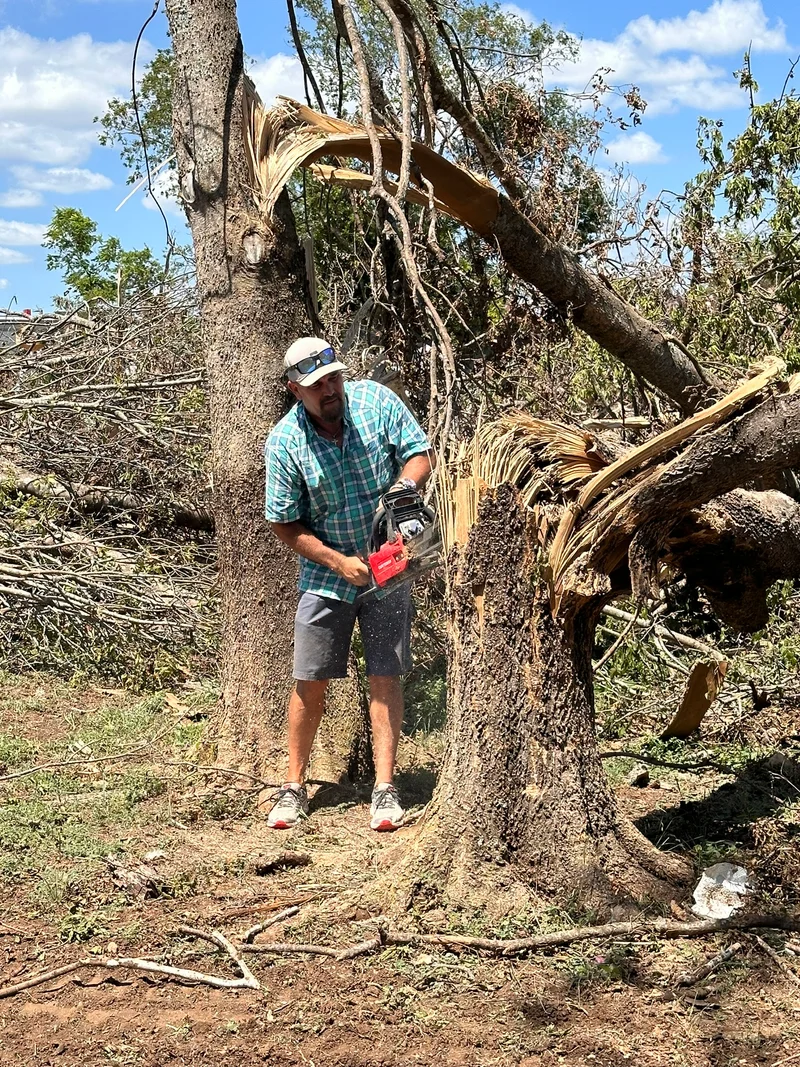
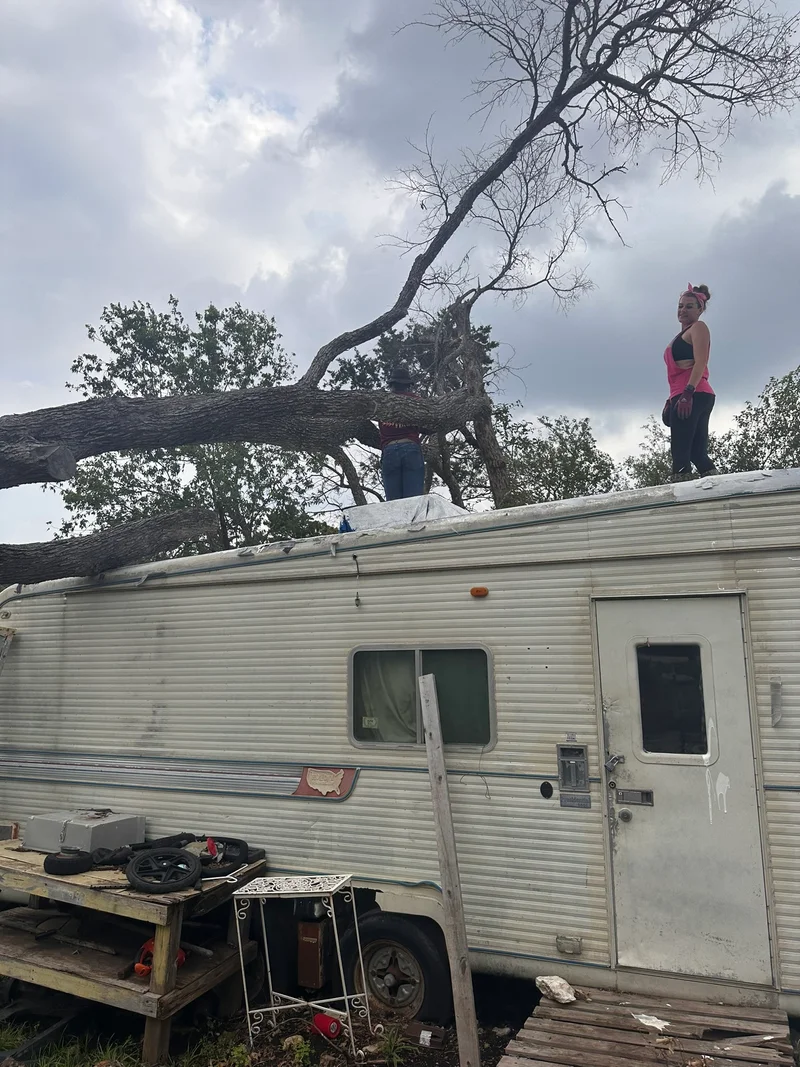
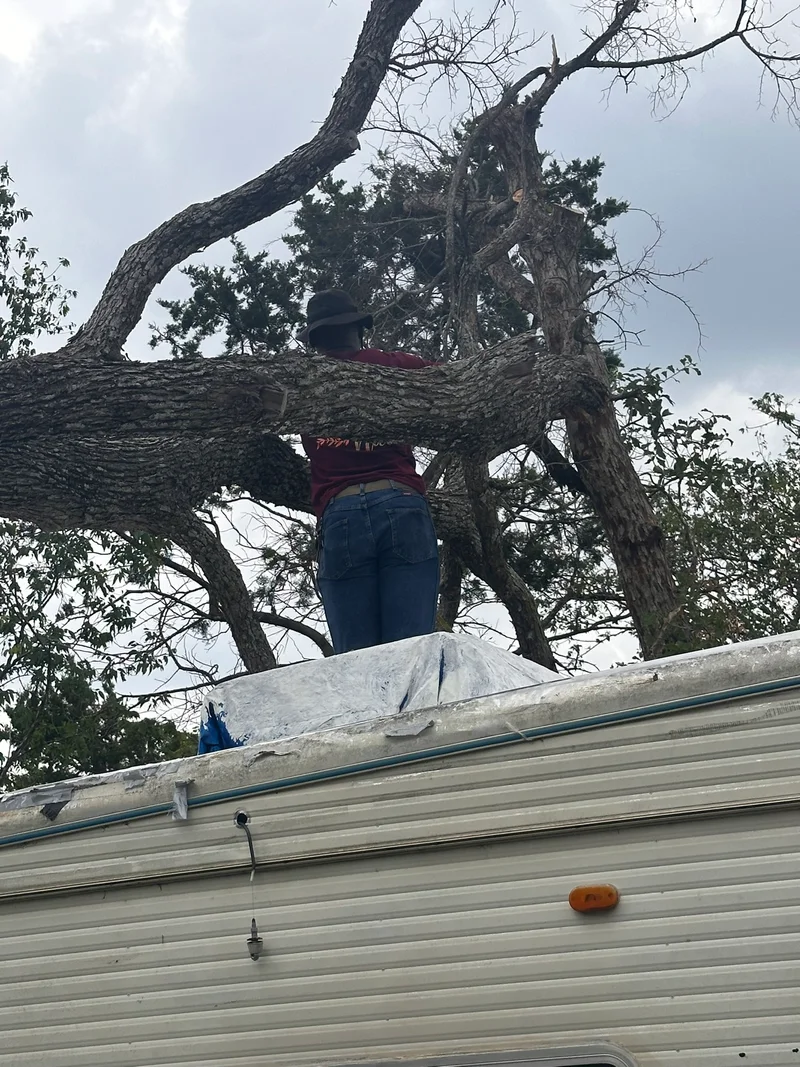
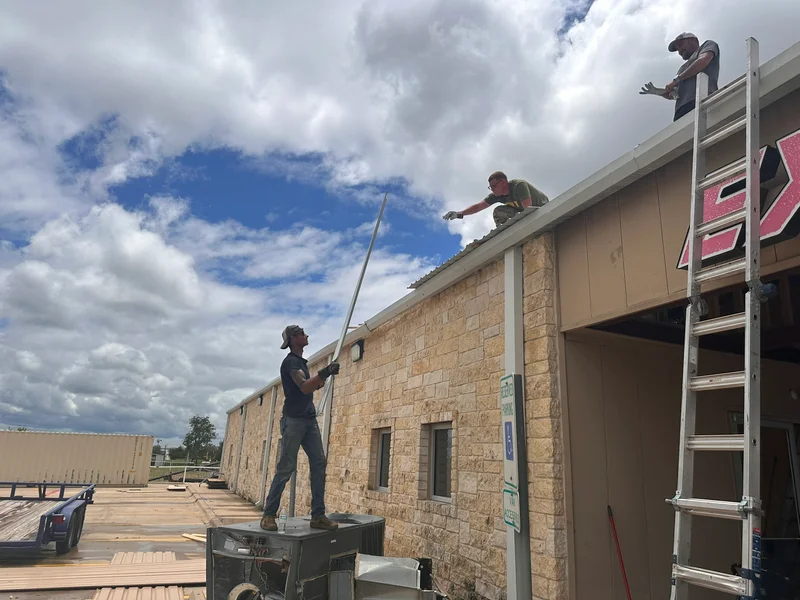
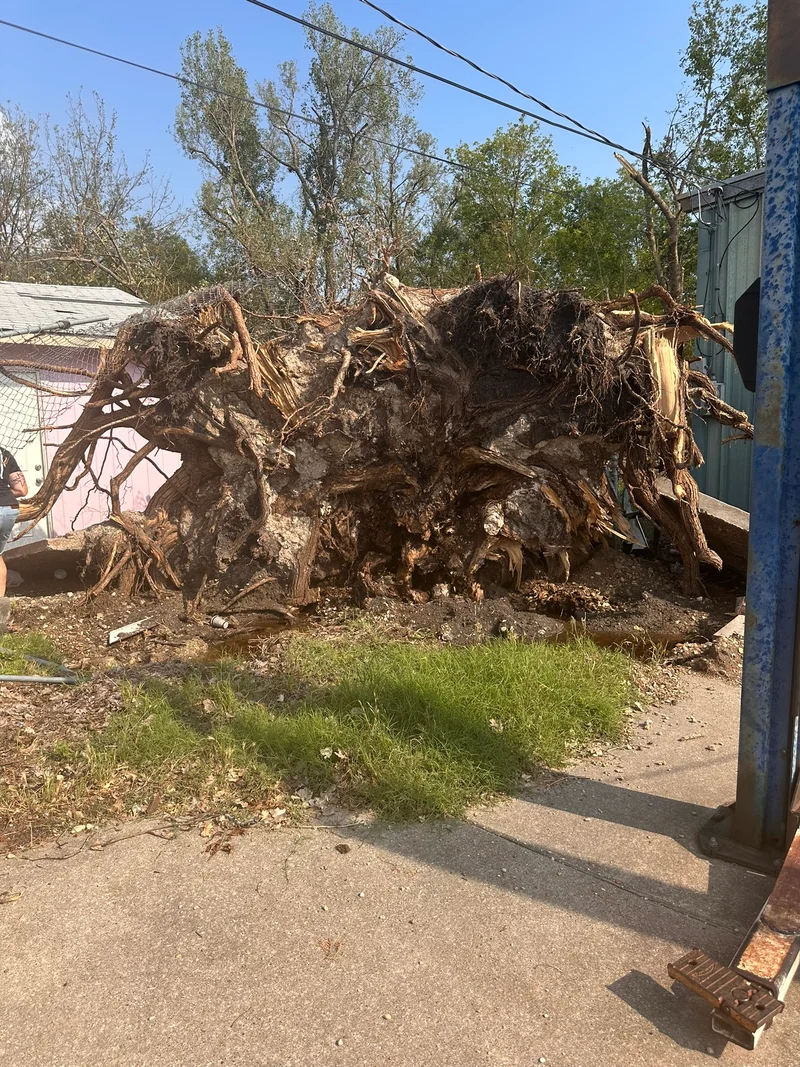
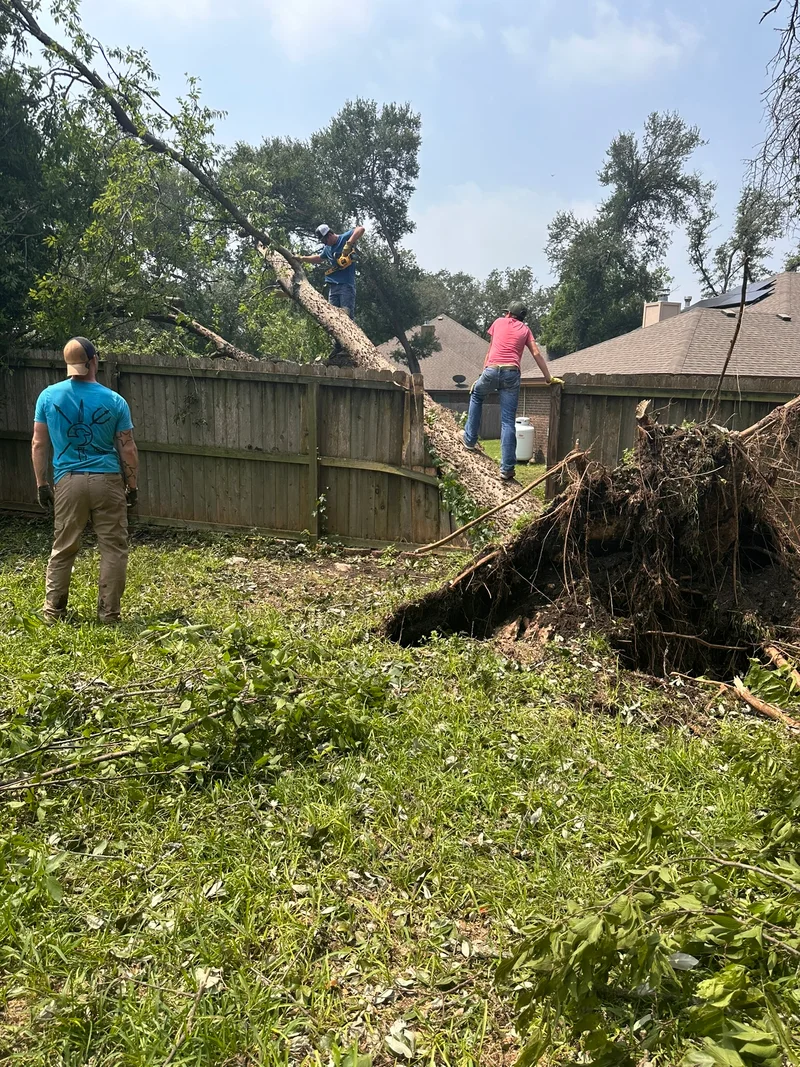
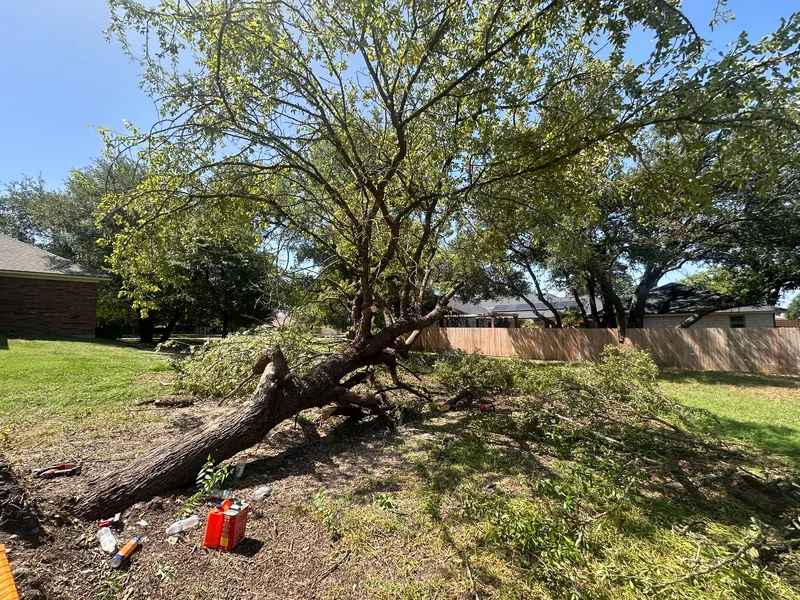
While less intense than the Temple tornado, these winds still caused roof damage, fallen trees, power outages, and property destruction.
Immediate Response Actions
Within 24 hours of the May 22, 2024 tornadoes impacting Temple and Belton, GTC United rapidly mobilized to provide:
- Rapid Volunteer Mobilization: Deployed response teams within 24 hours to support impacted neighborhoods
- Search & Recovery Support: Assisted coordinated search and recovery efforts during the first week following the tornadoes
- Damage Assessments: Conducted on-the-ground assessments to identify urgent needs and priority households
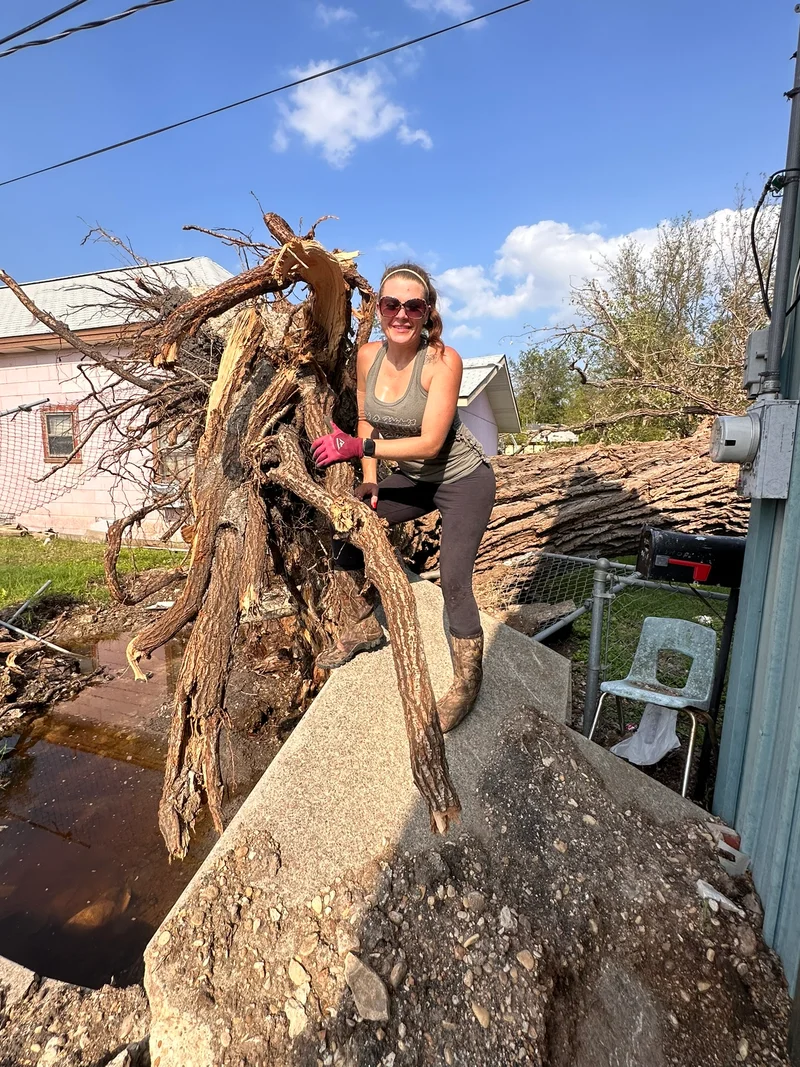
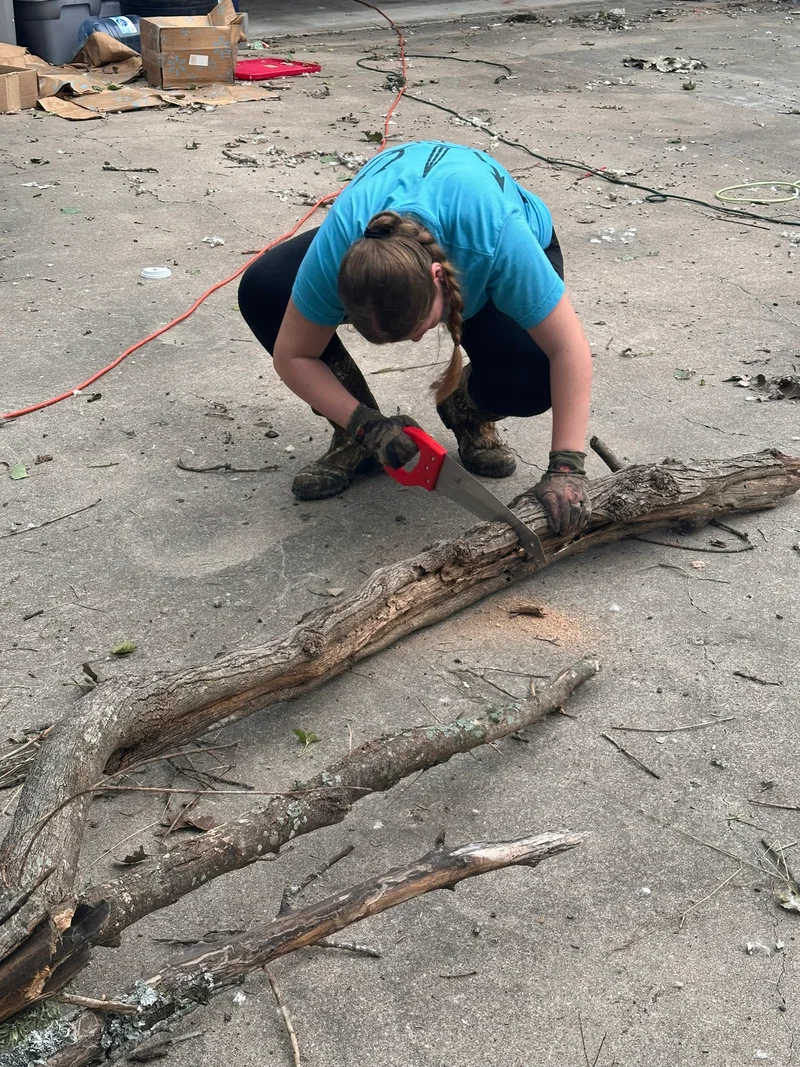
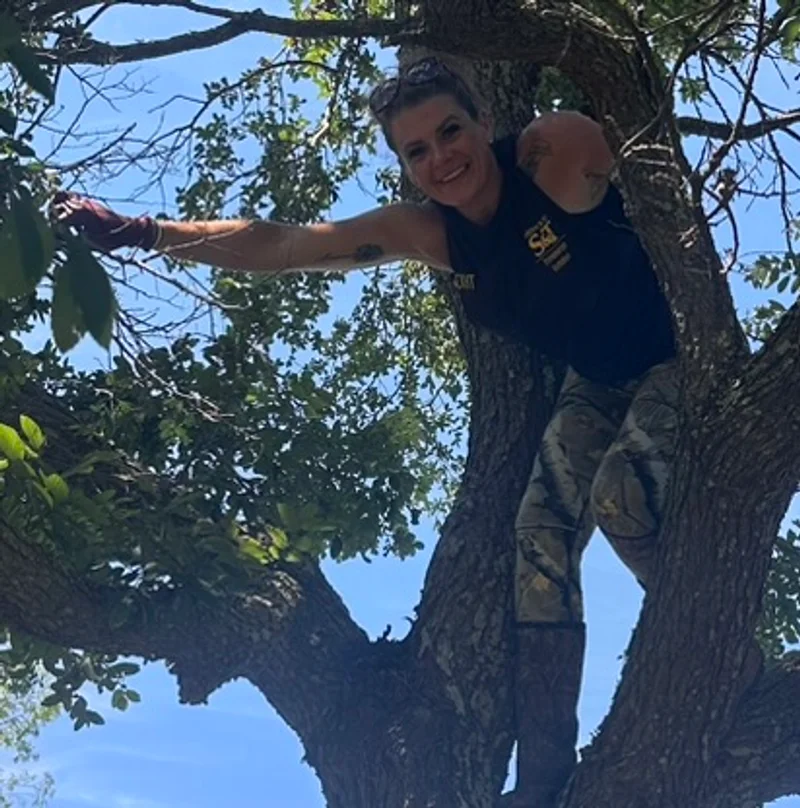
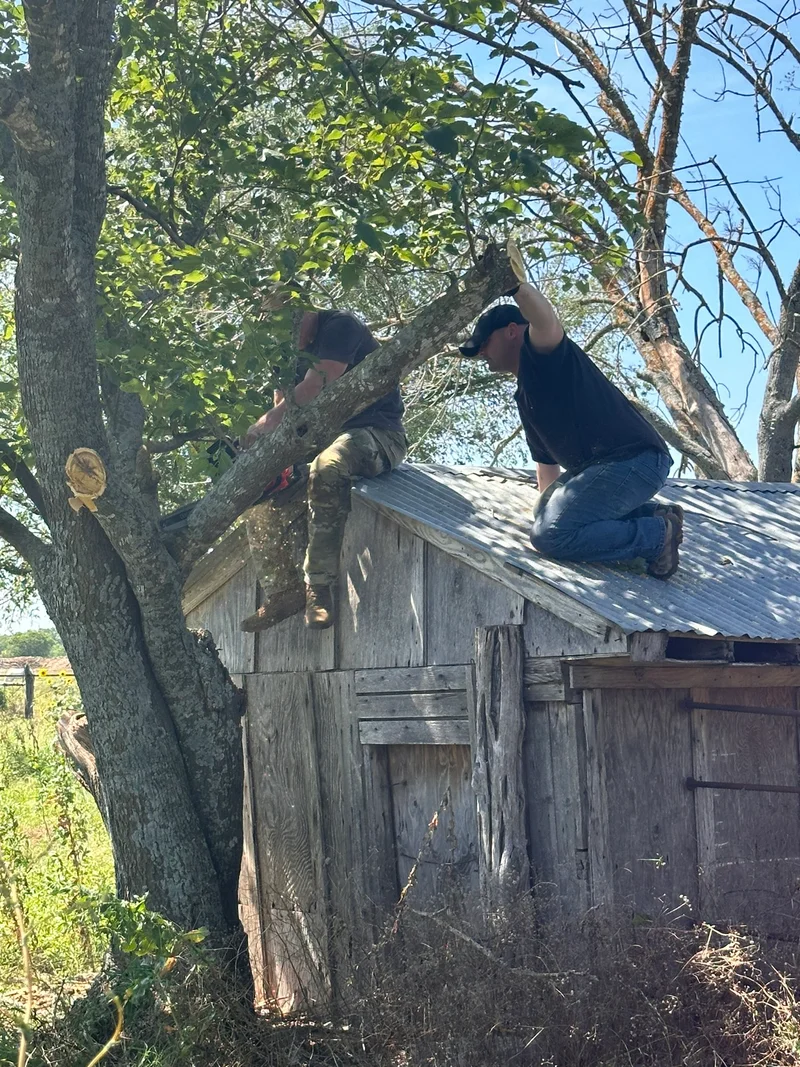
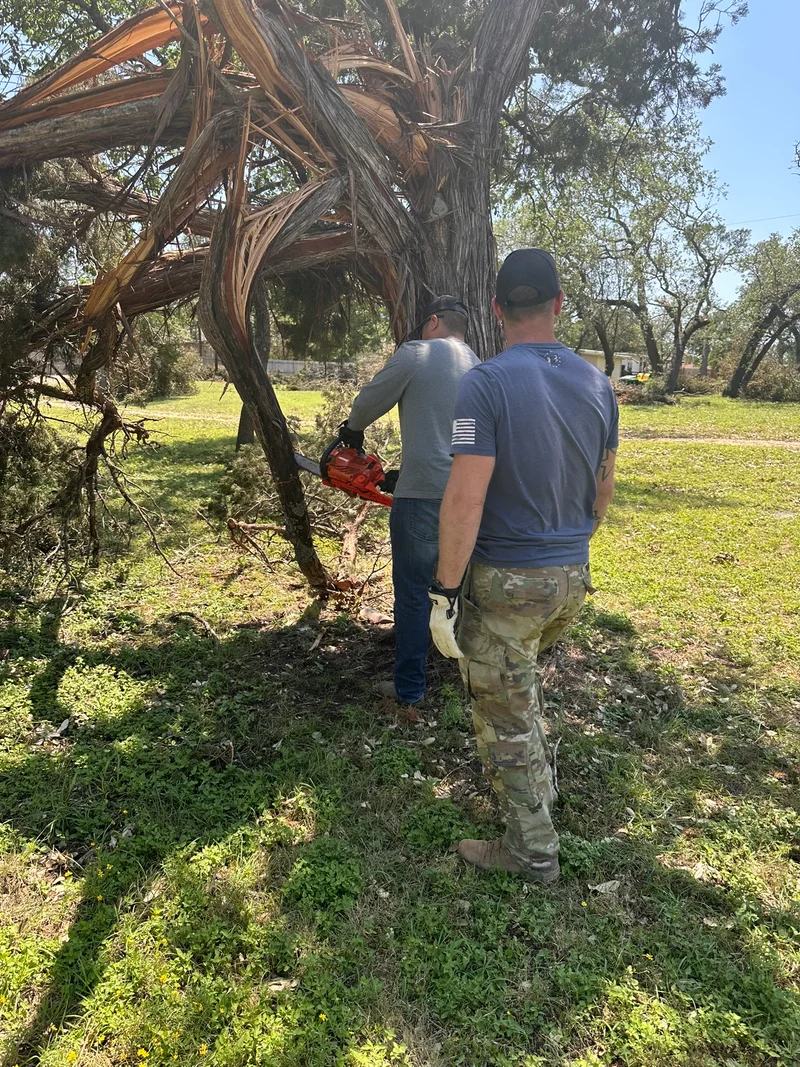
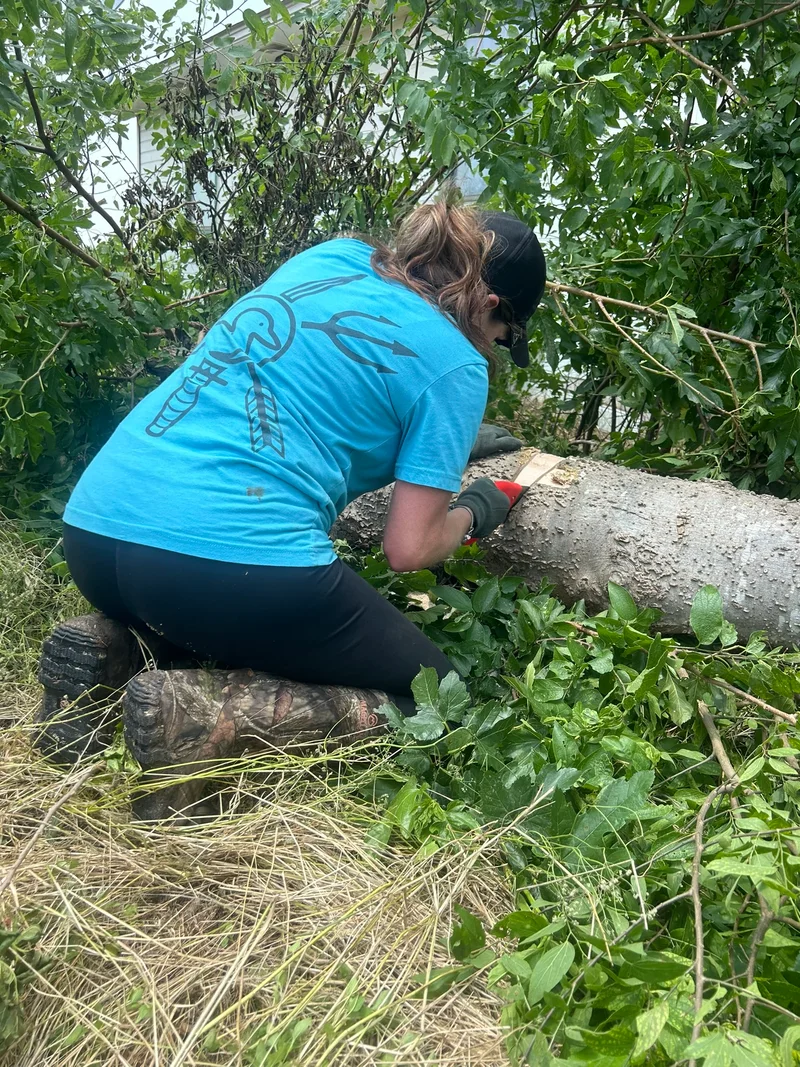
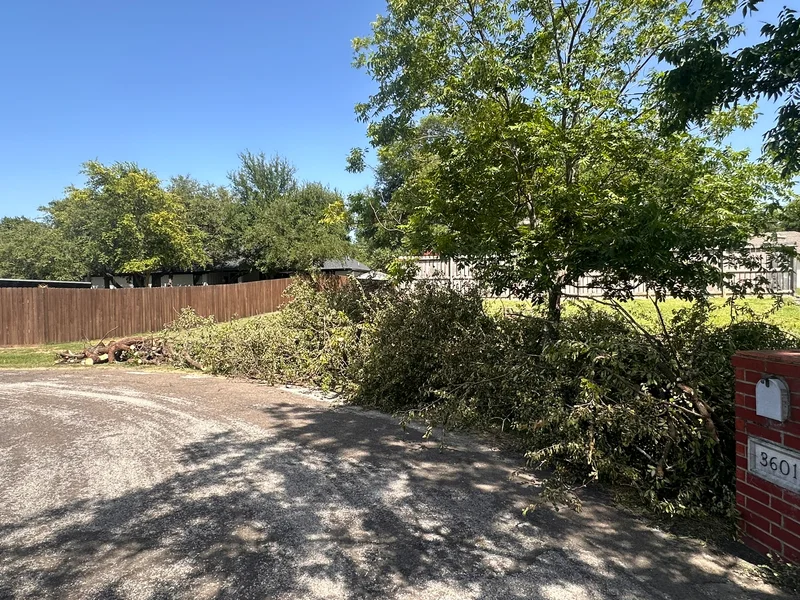
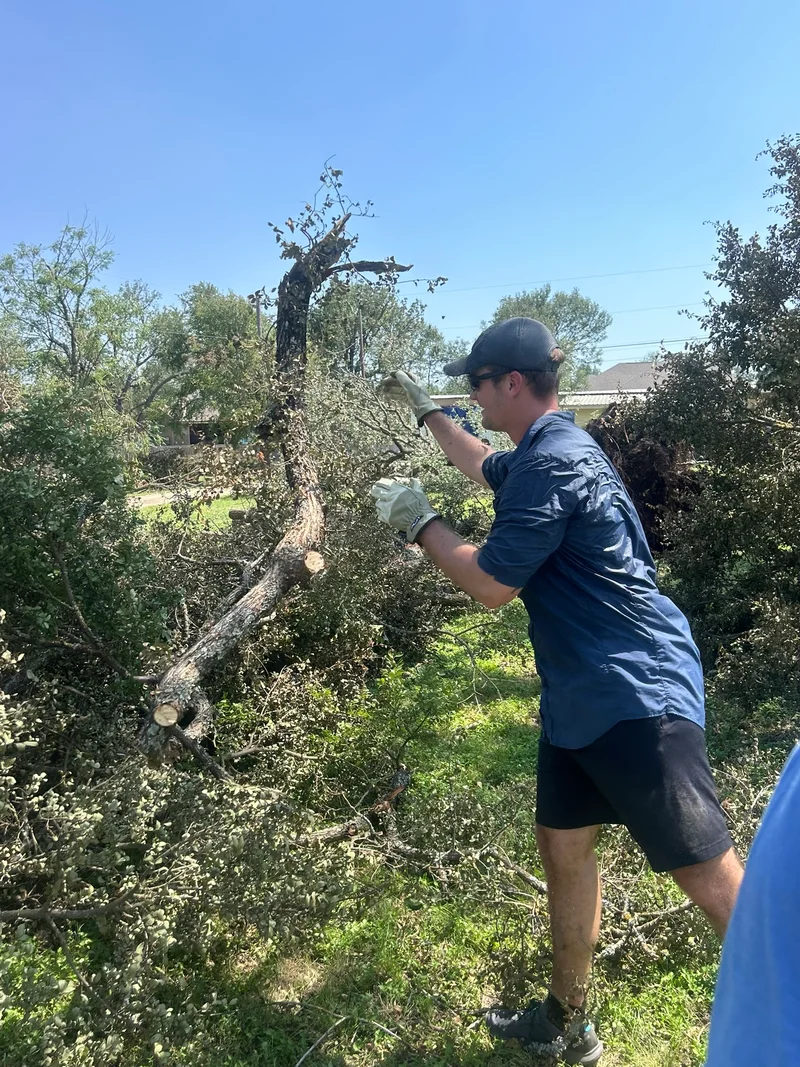
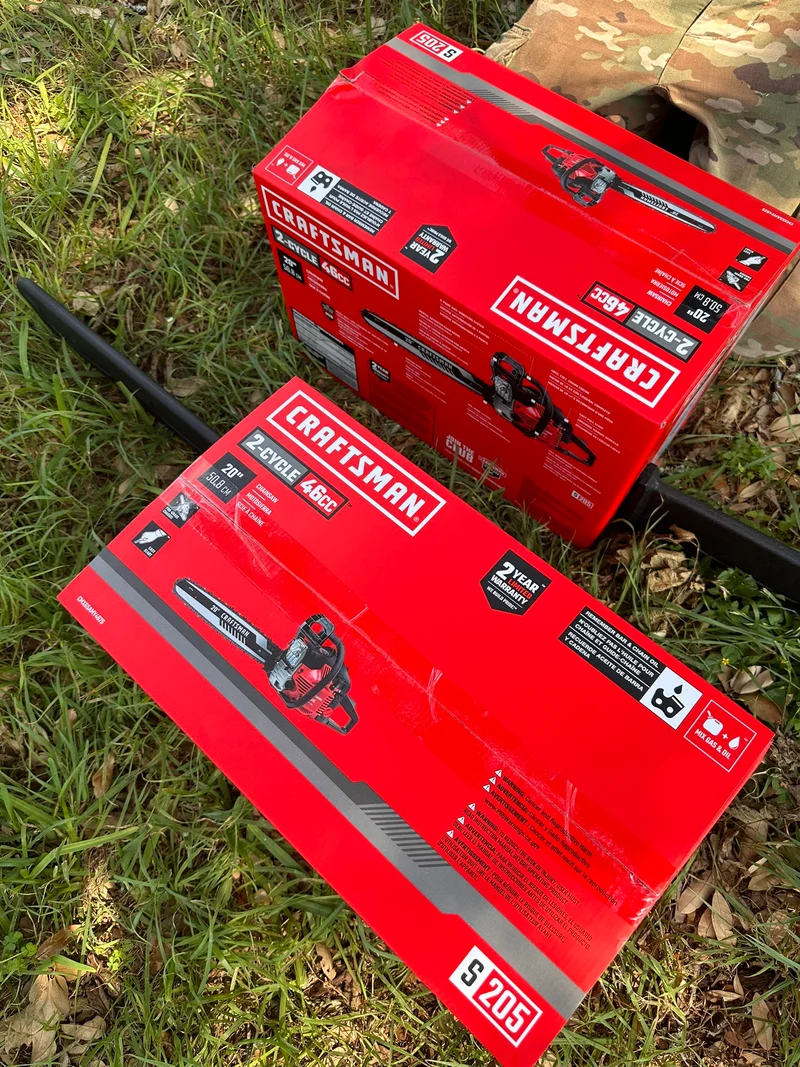
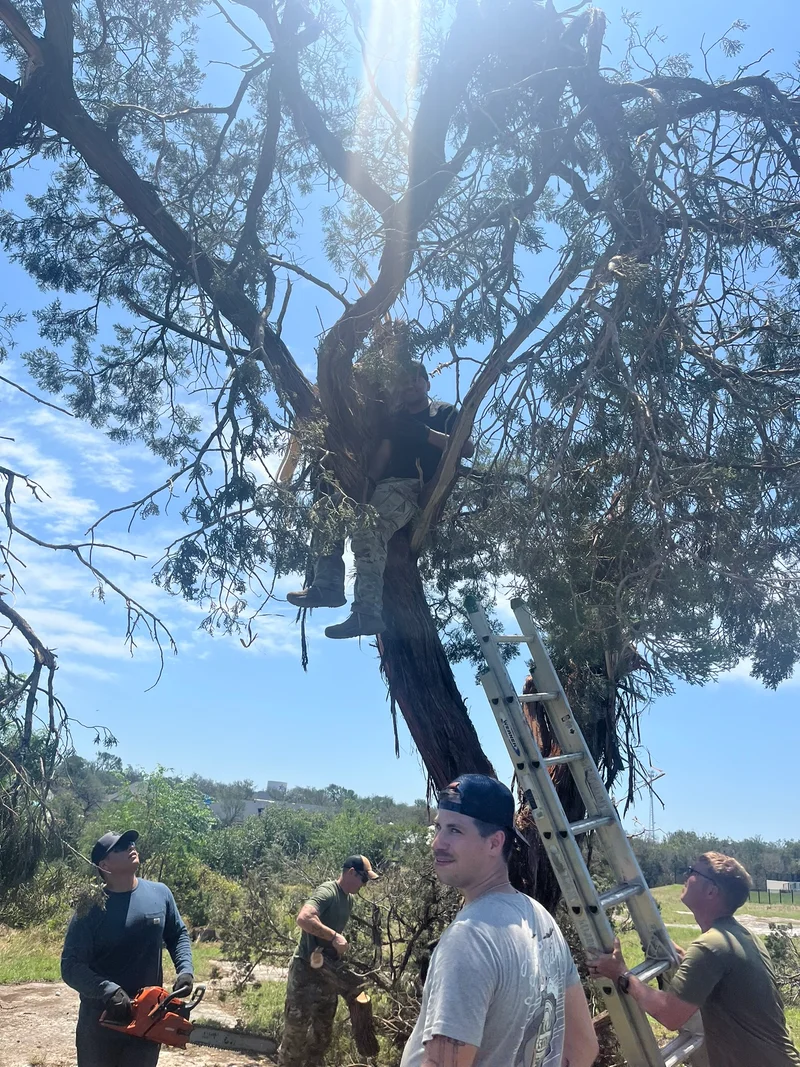
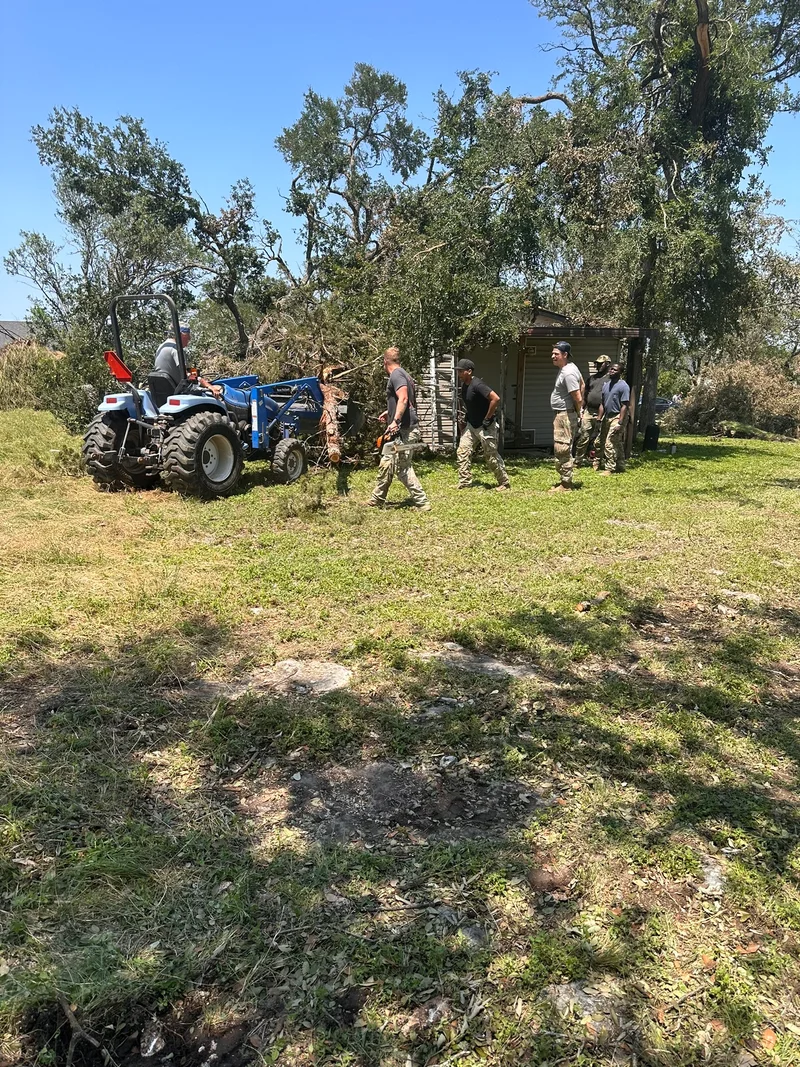
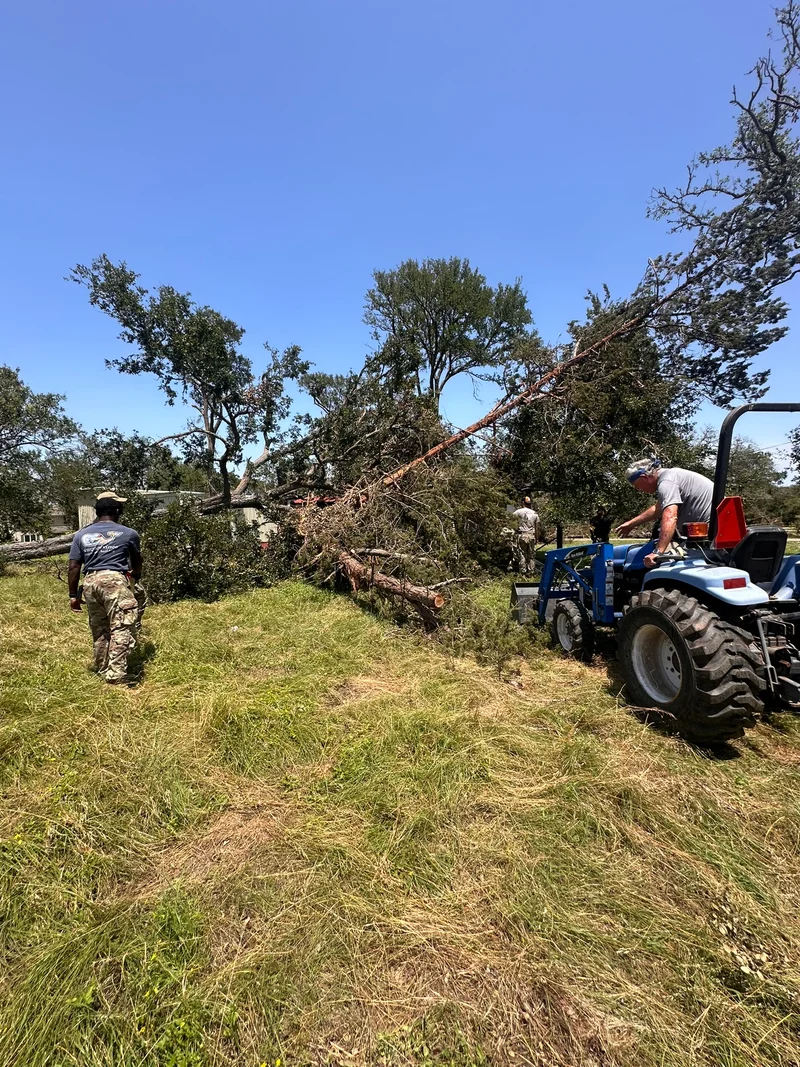
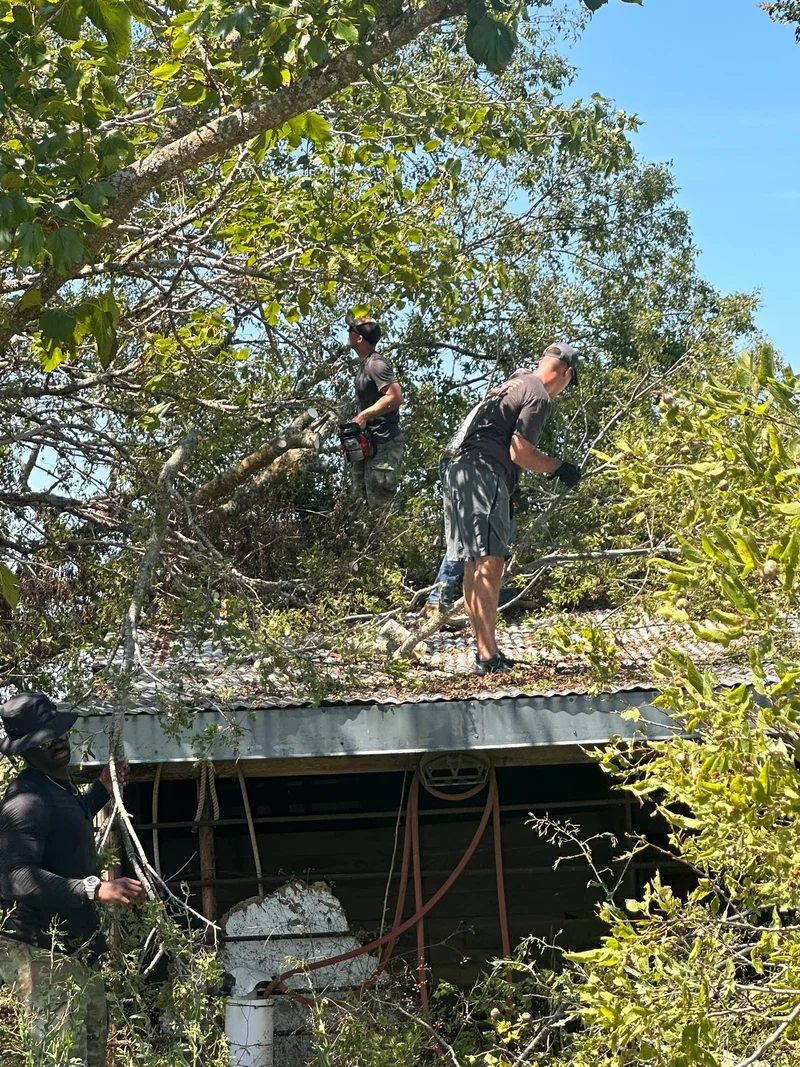
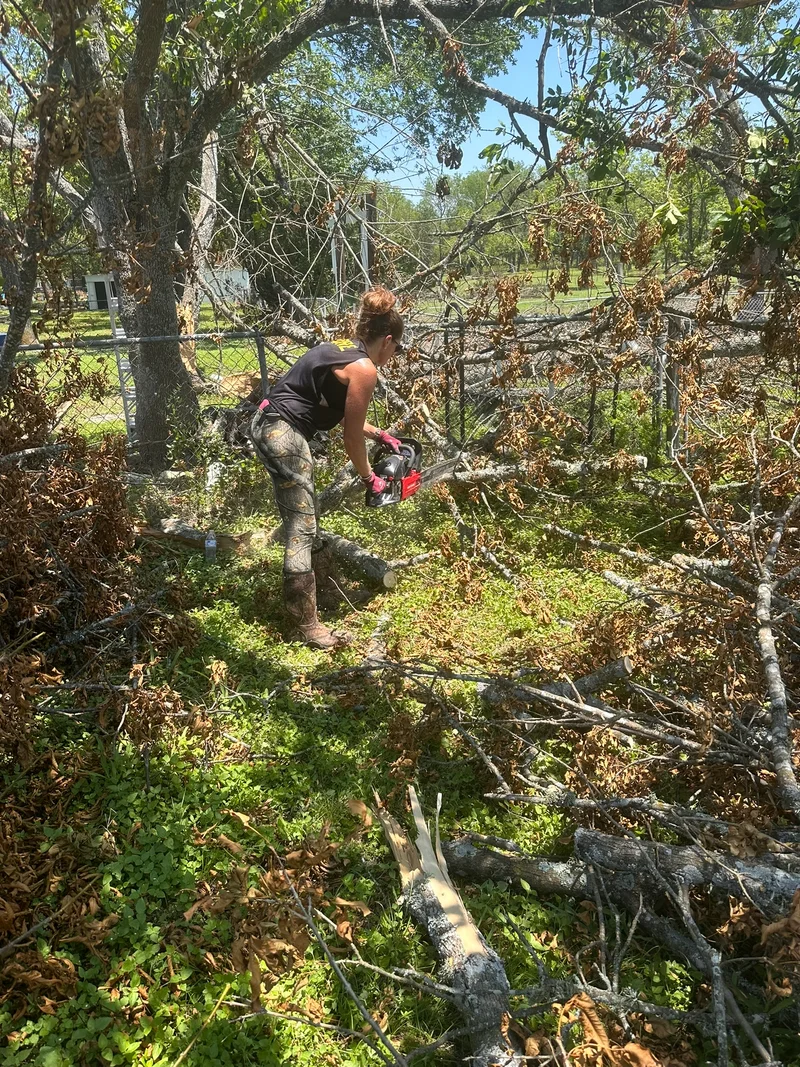
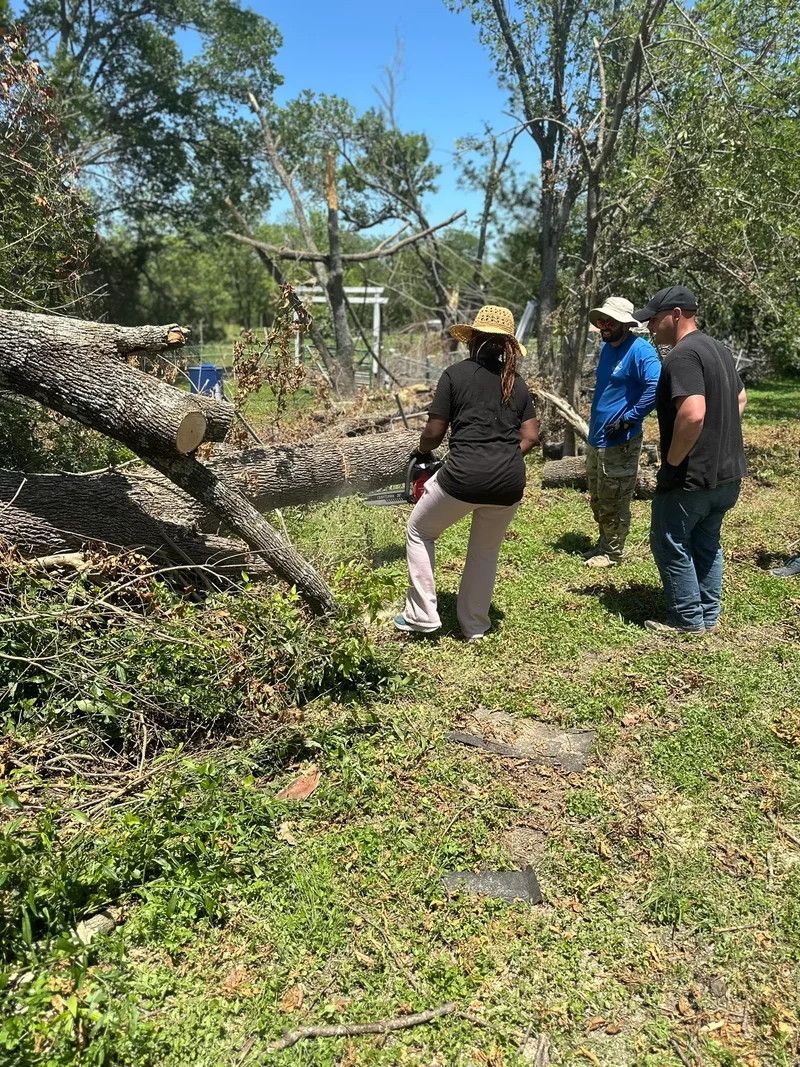
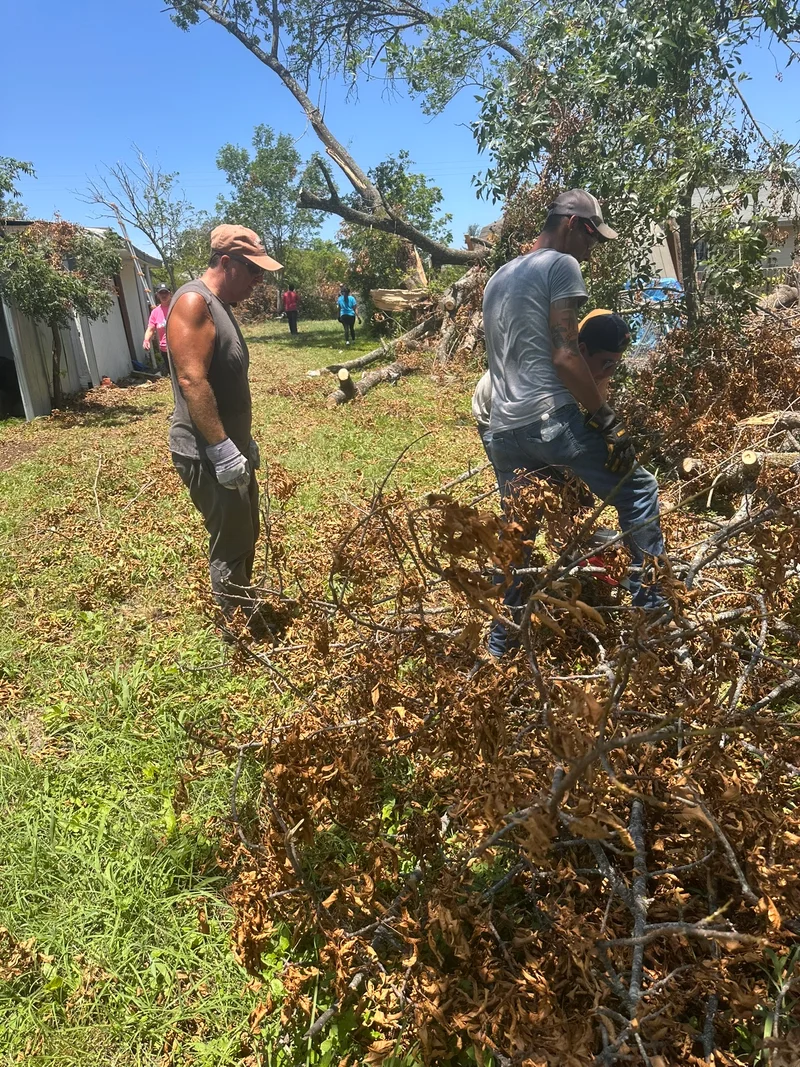
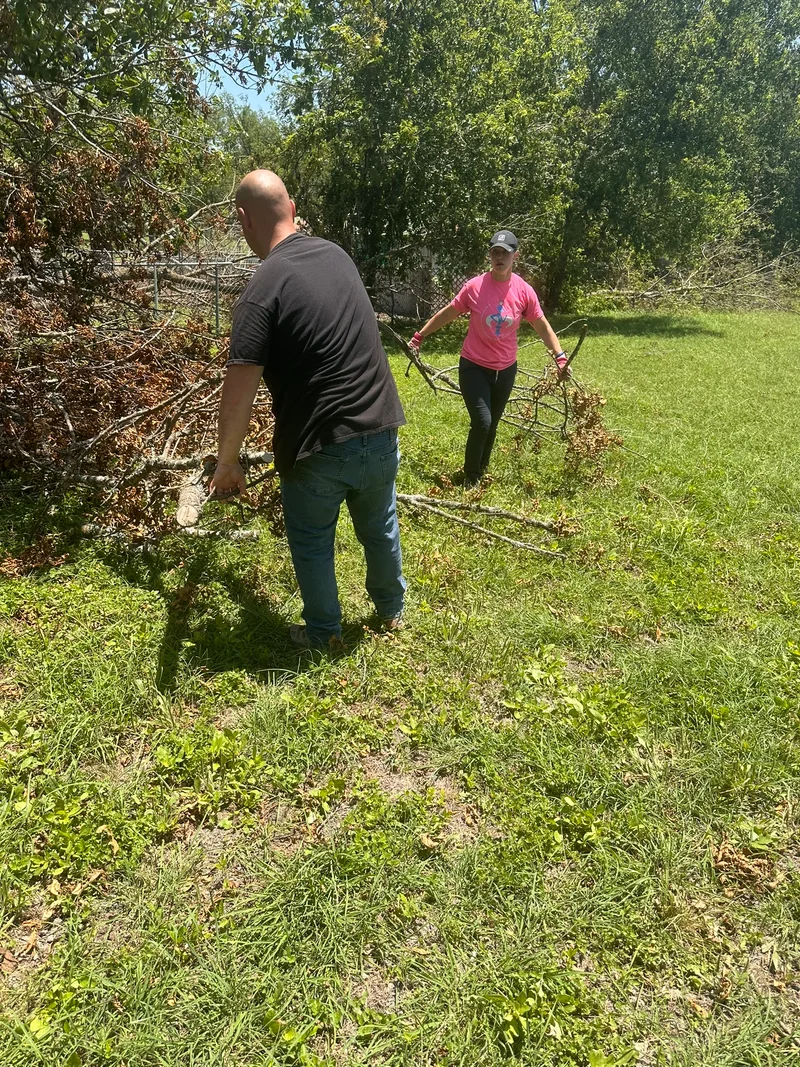
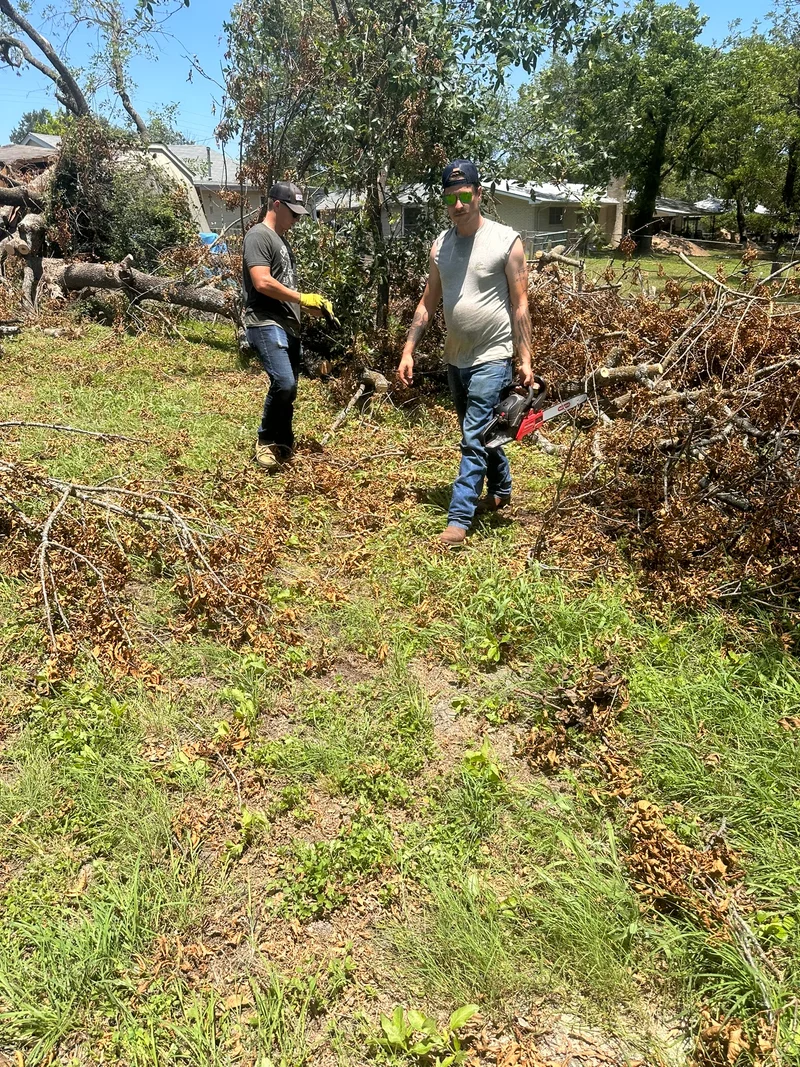
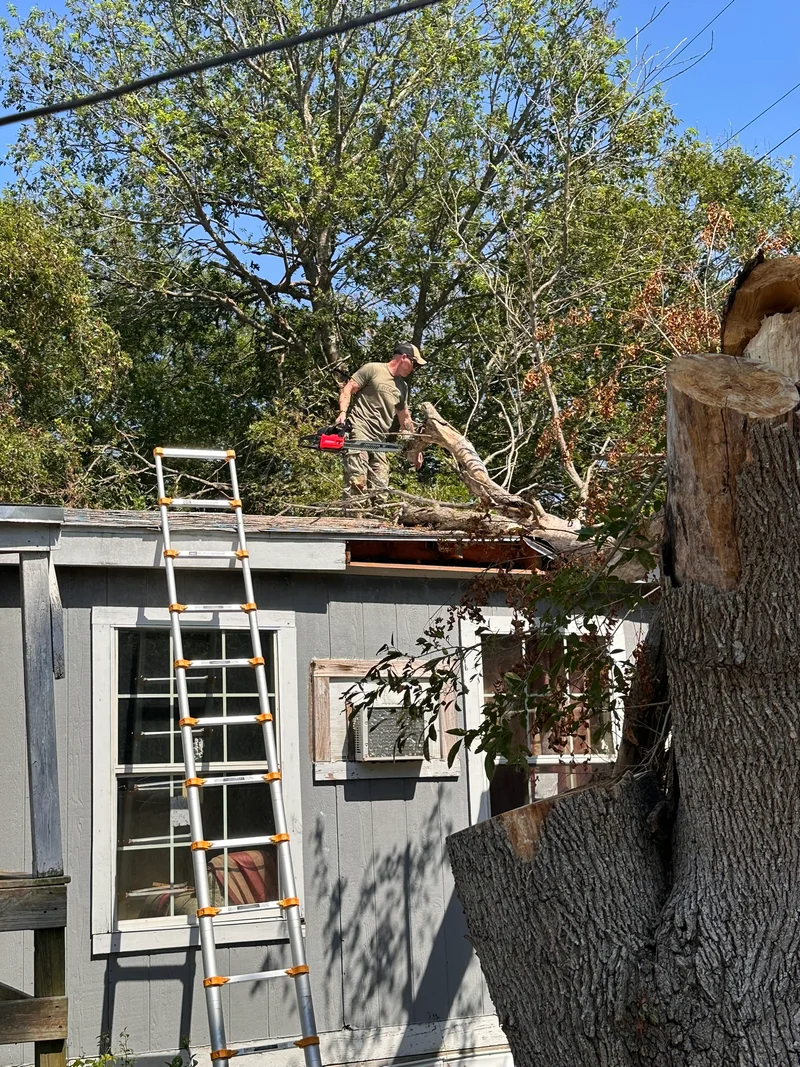
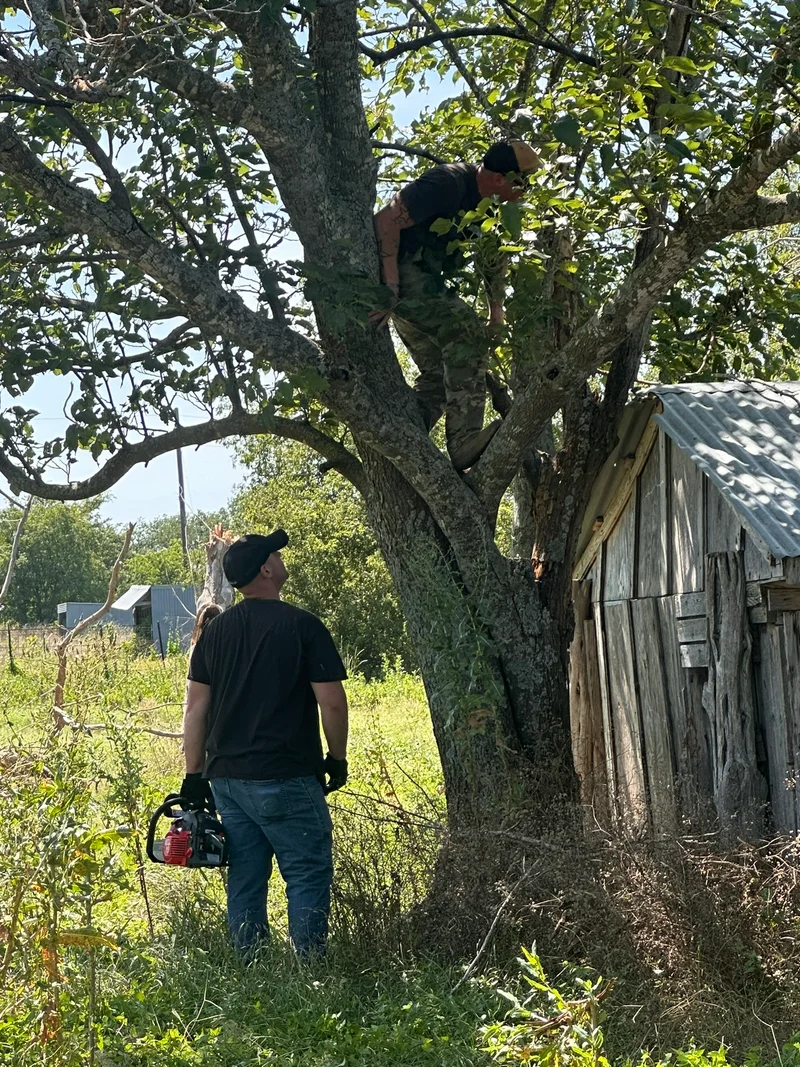
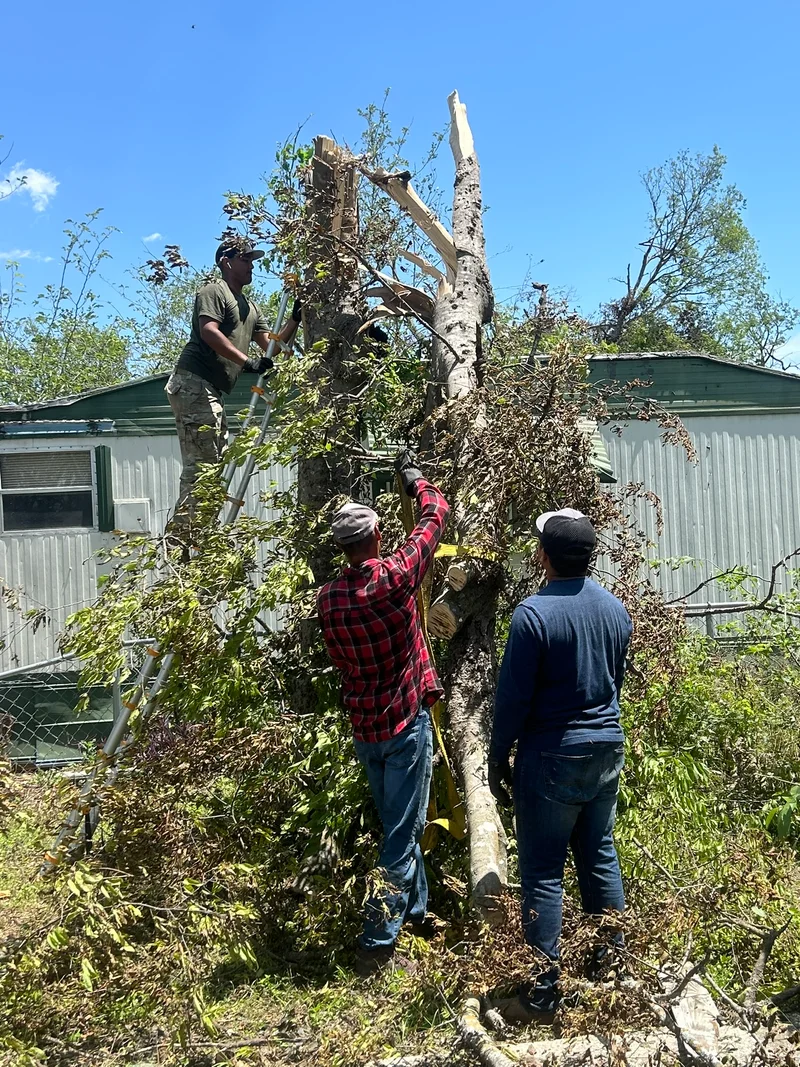
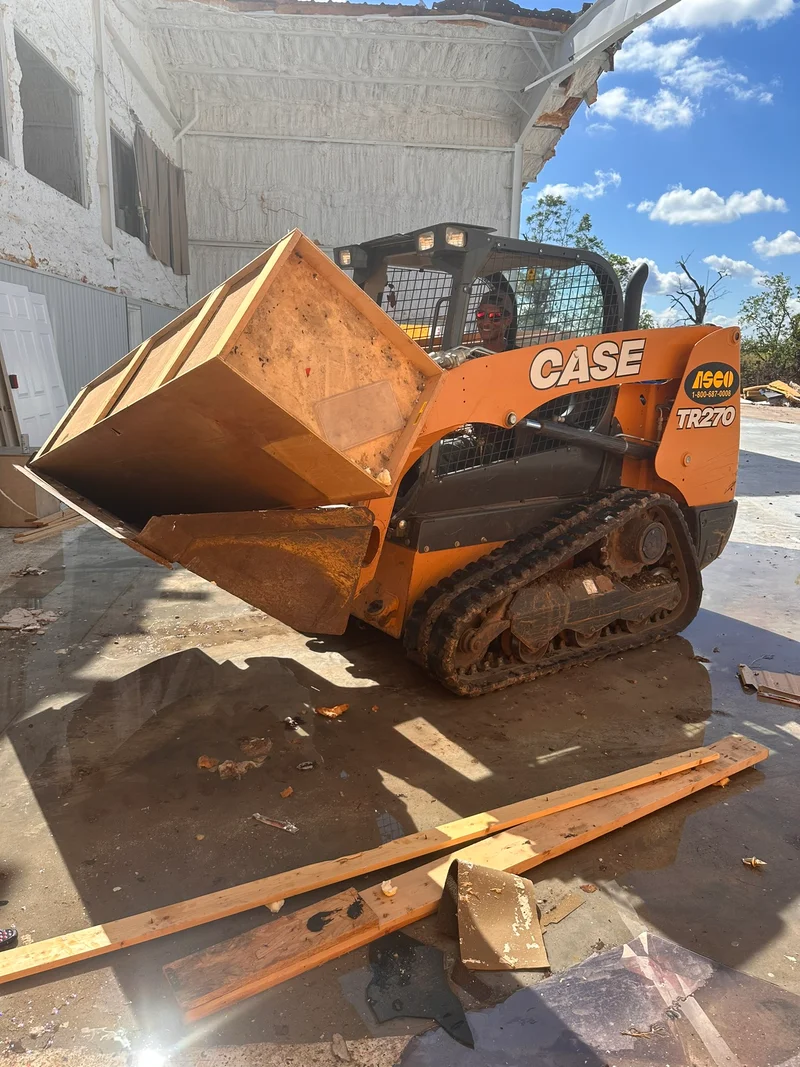
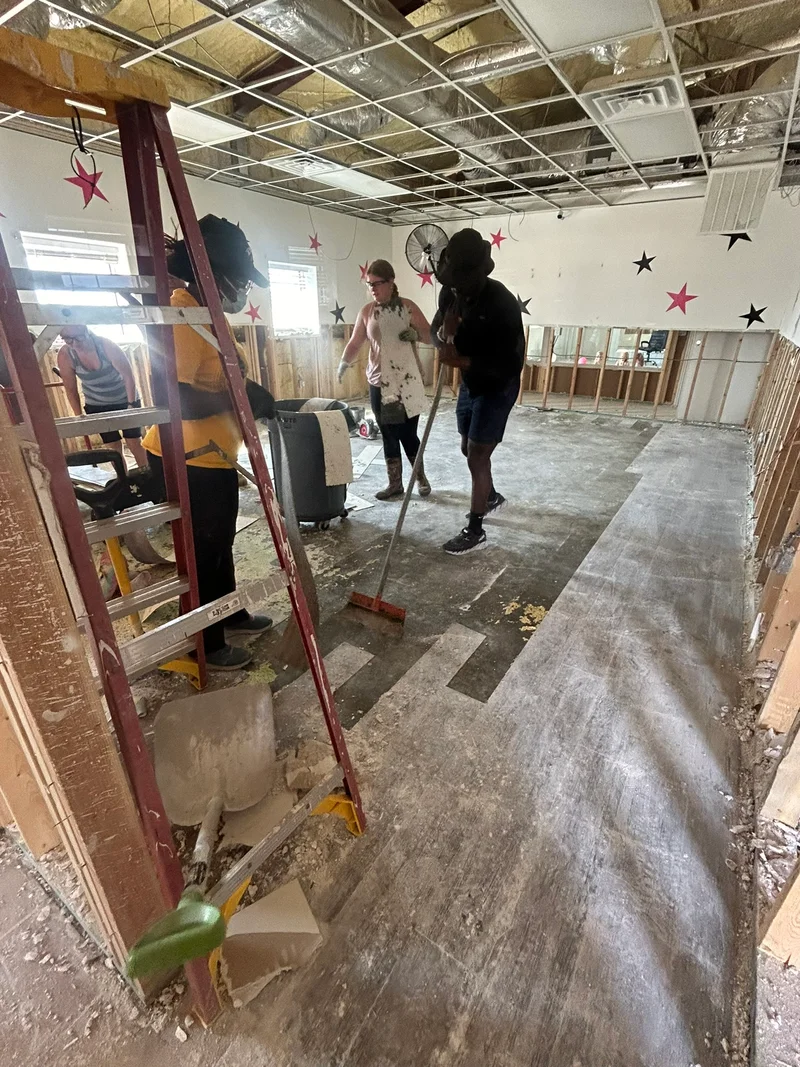
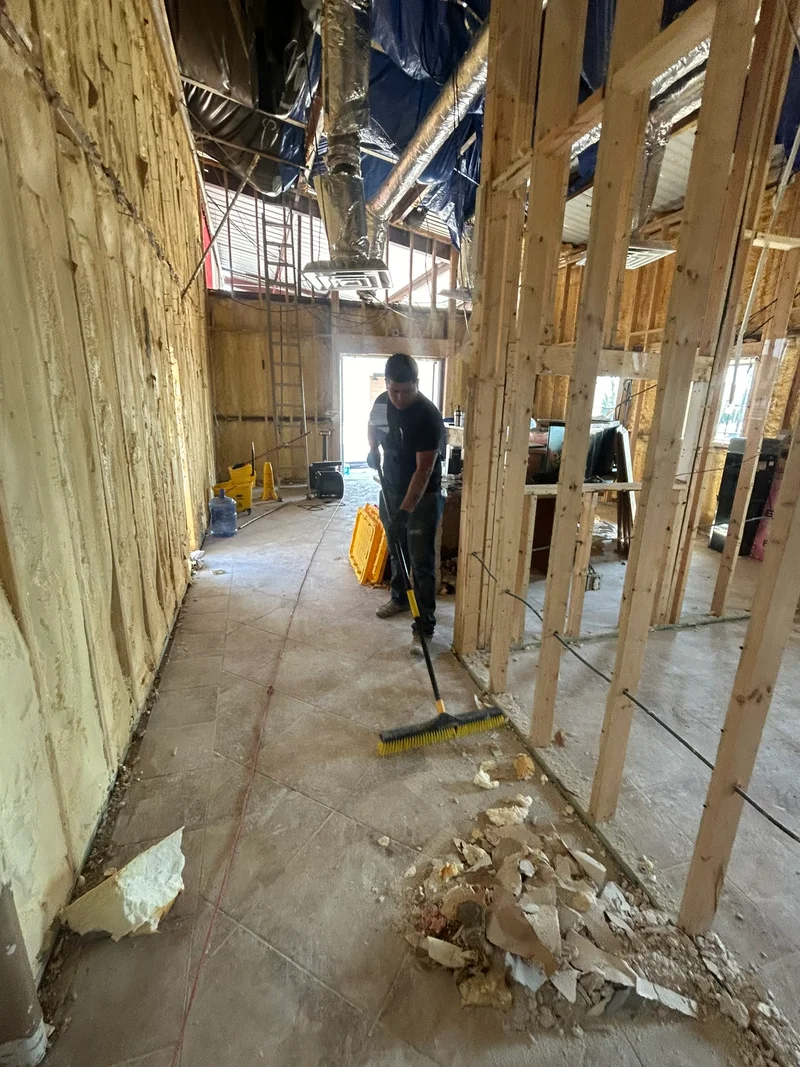
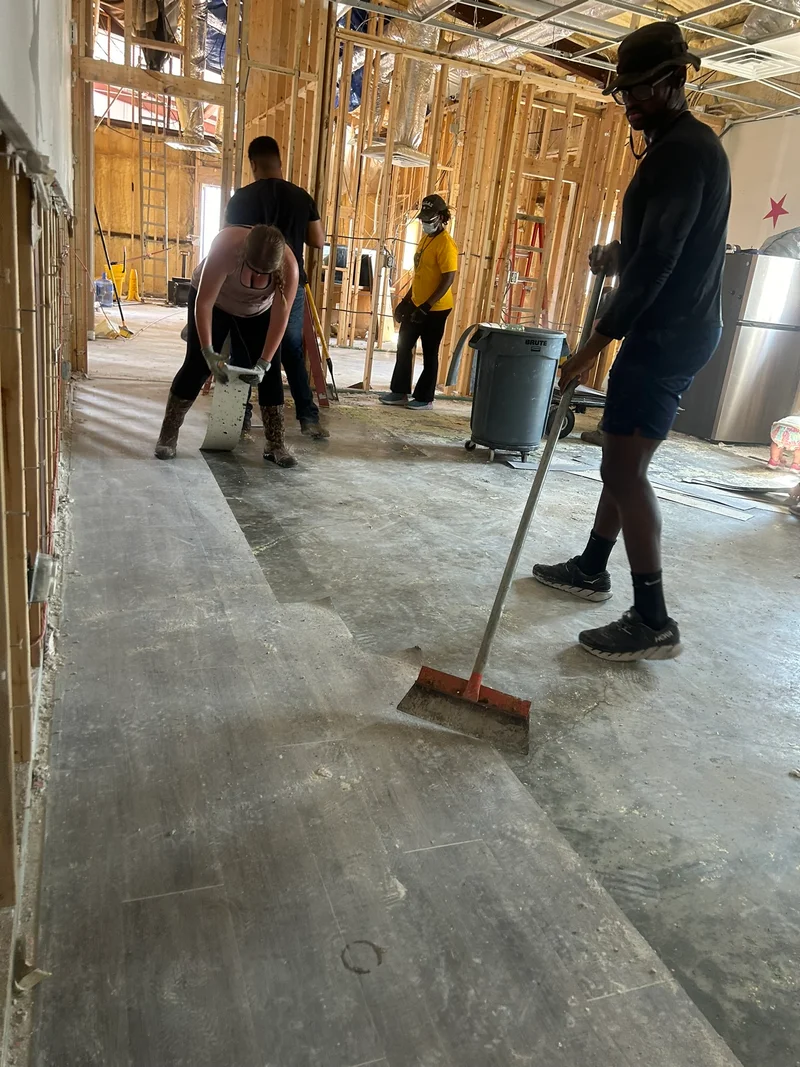
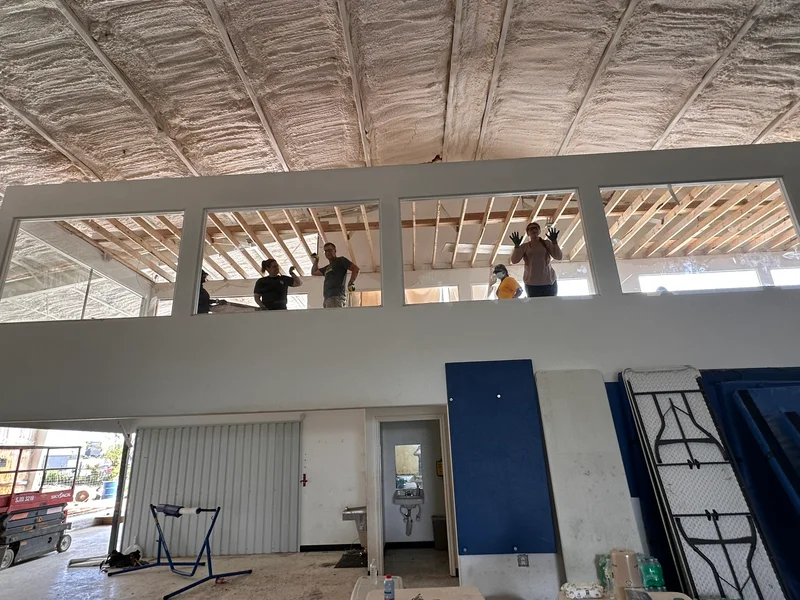
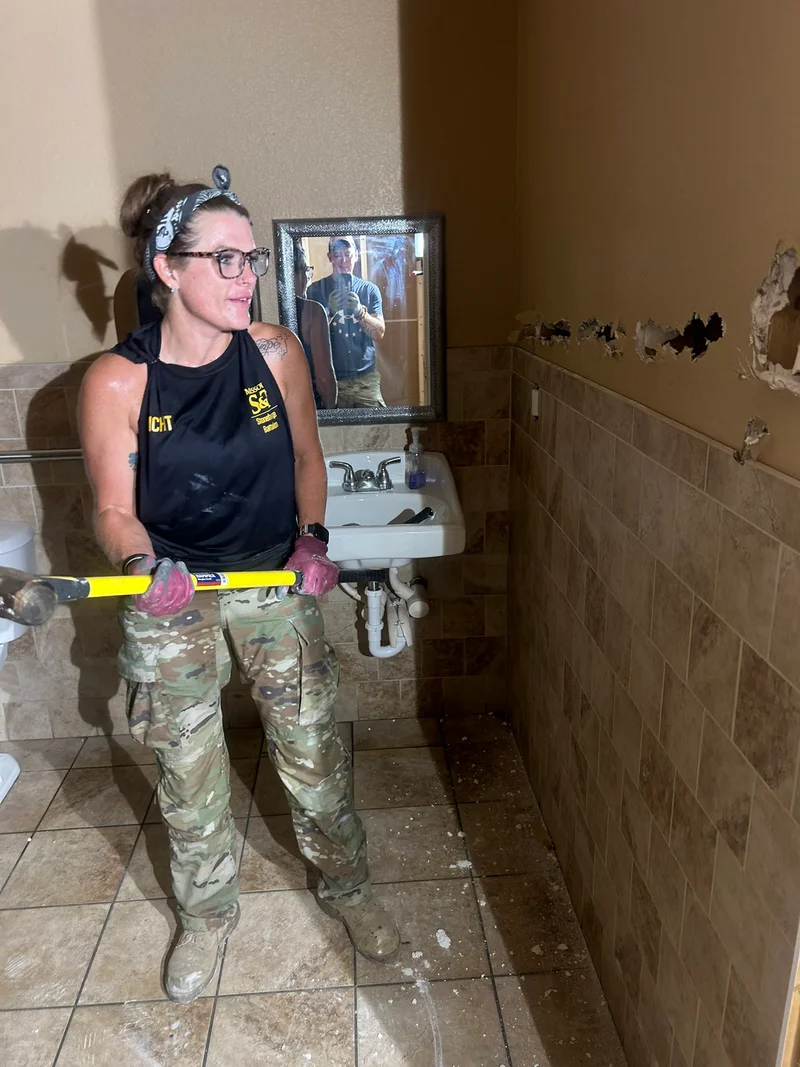
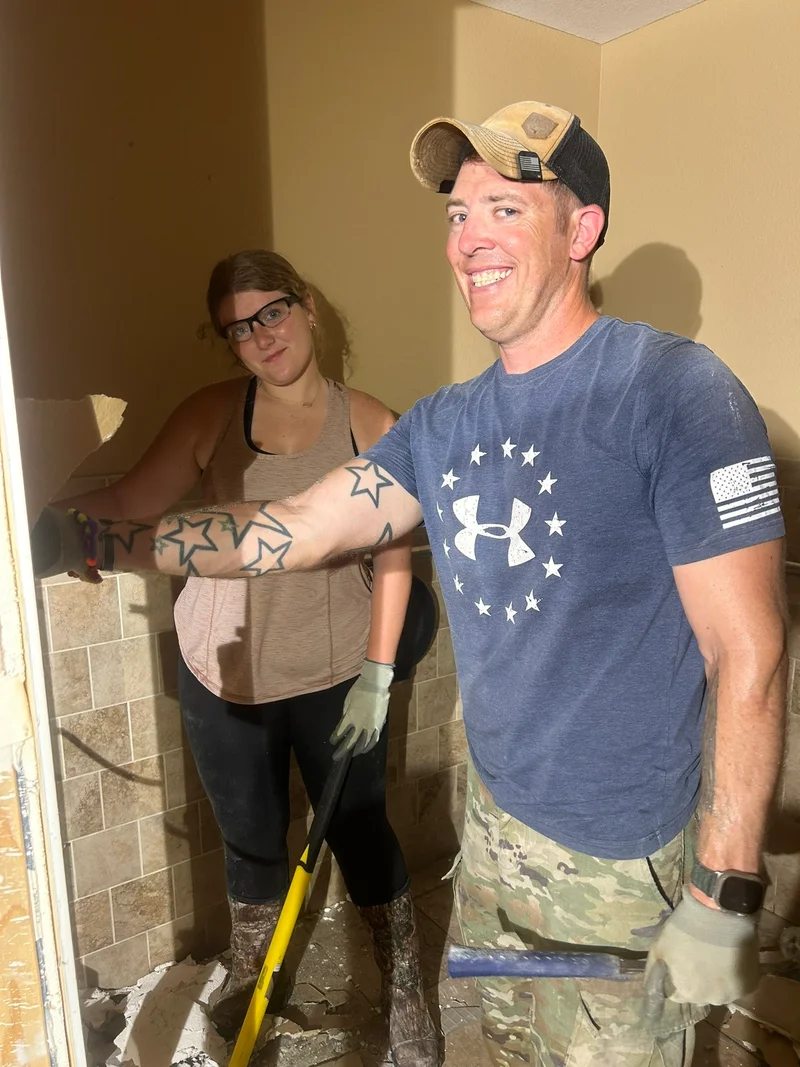
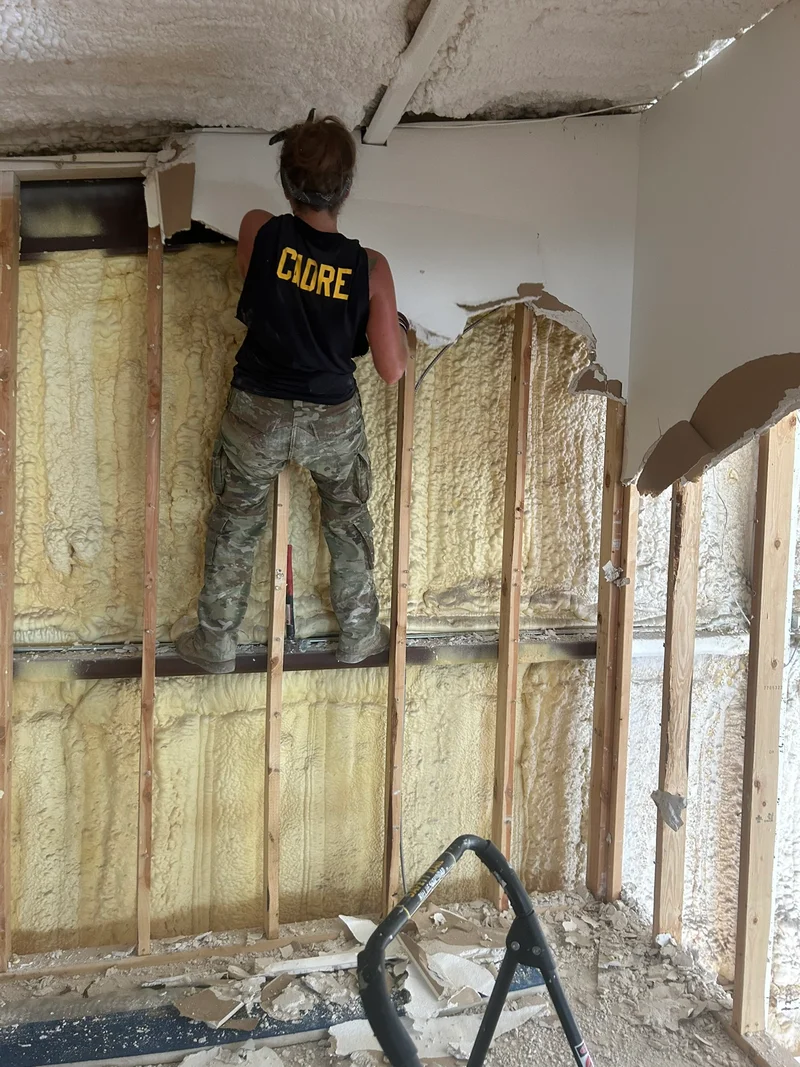
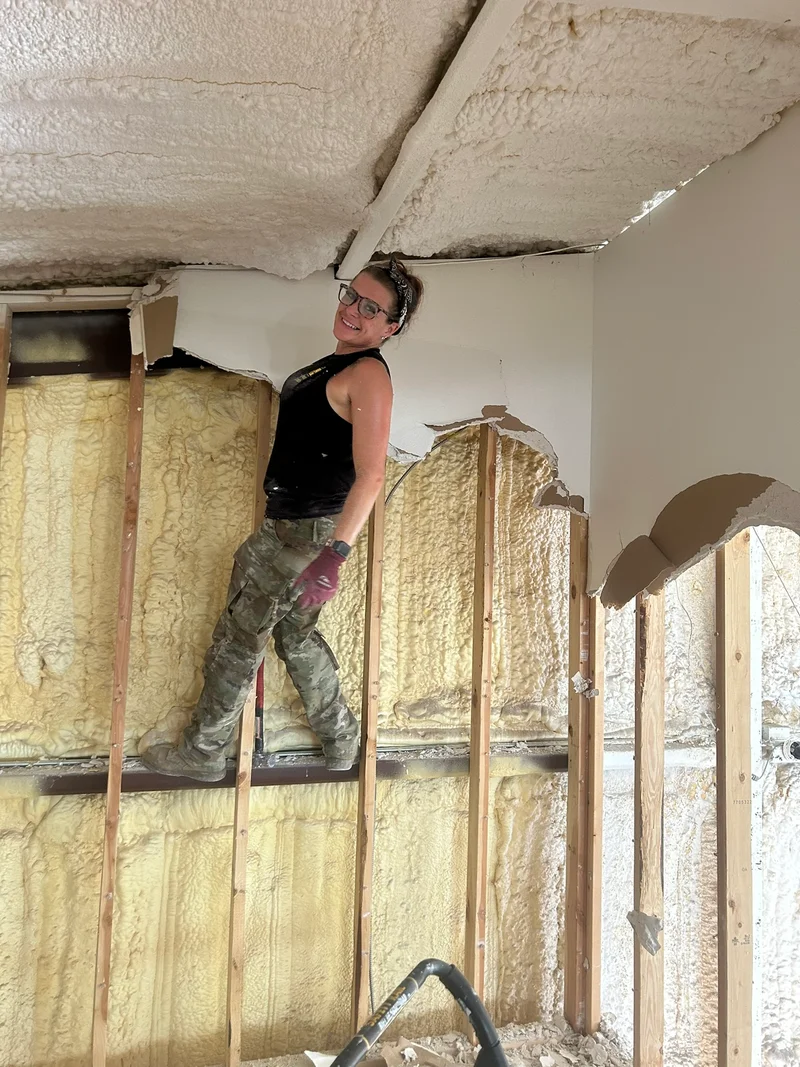
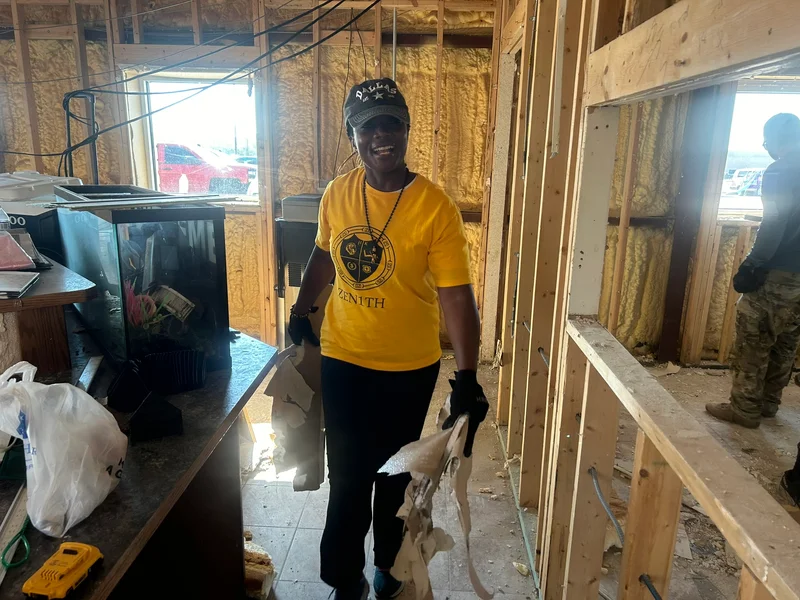
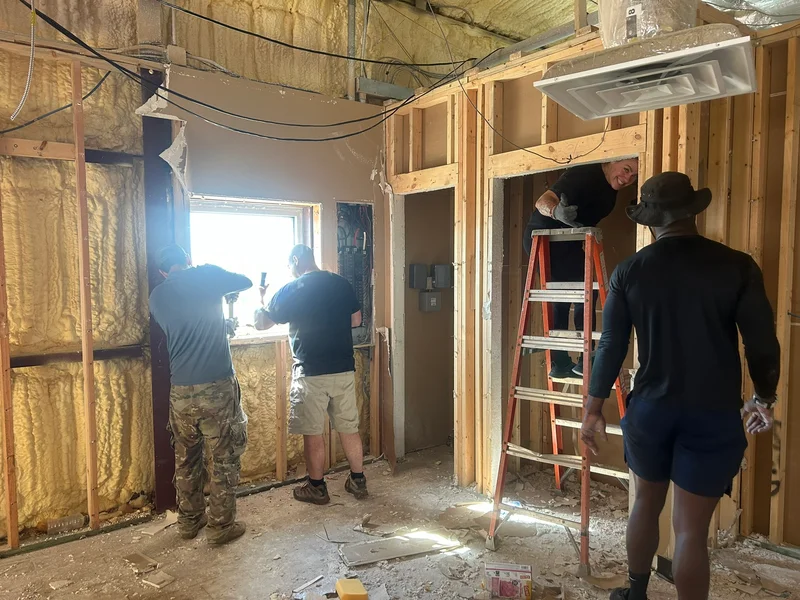
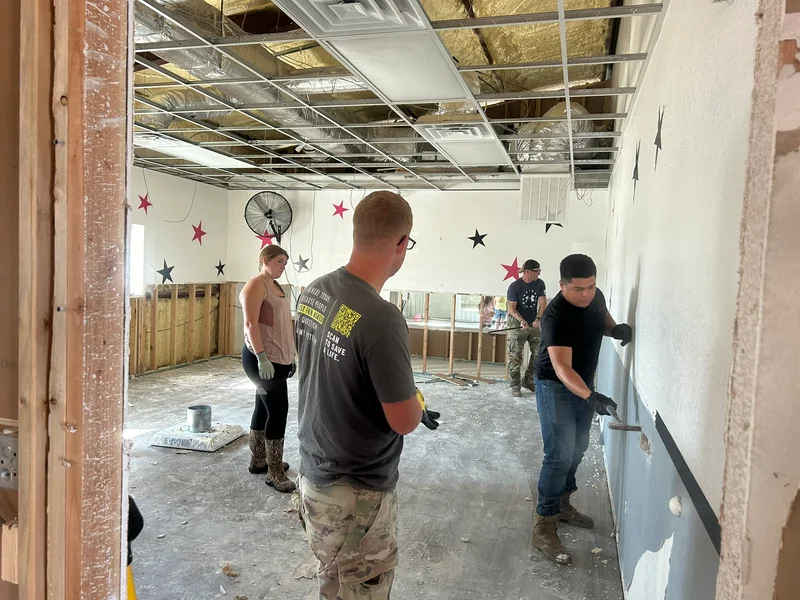
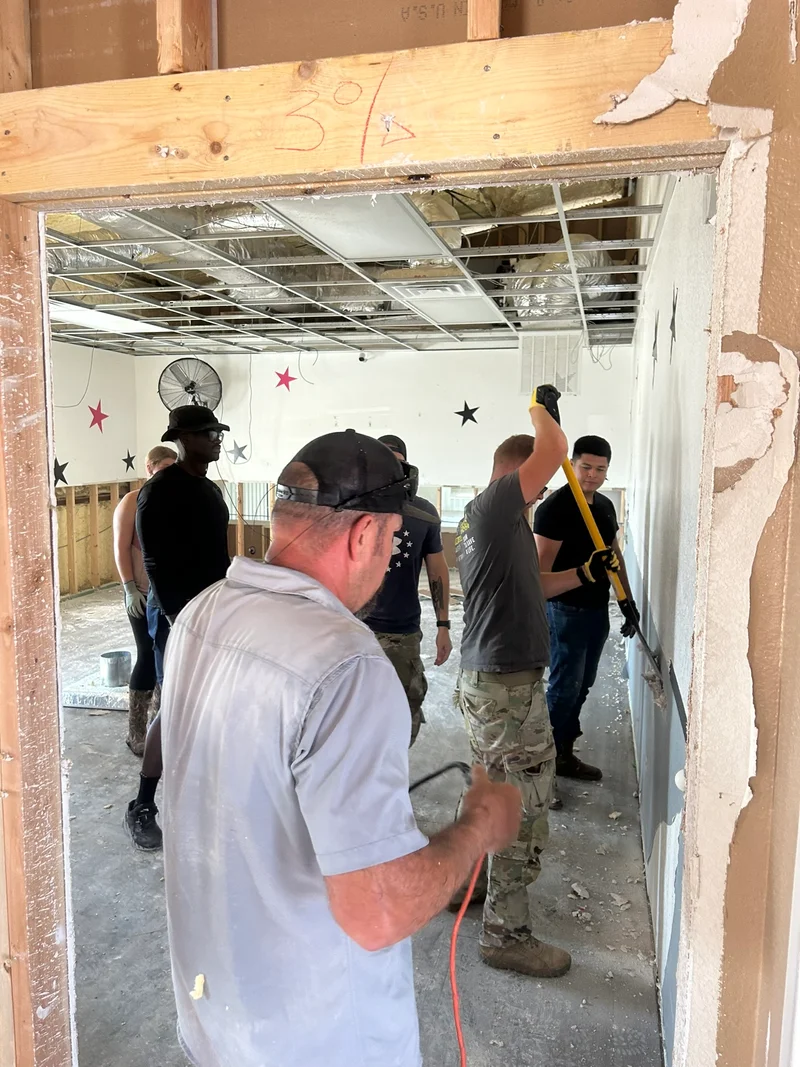
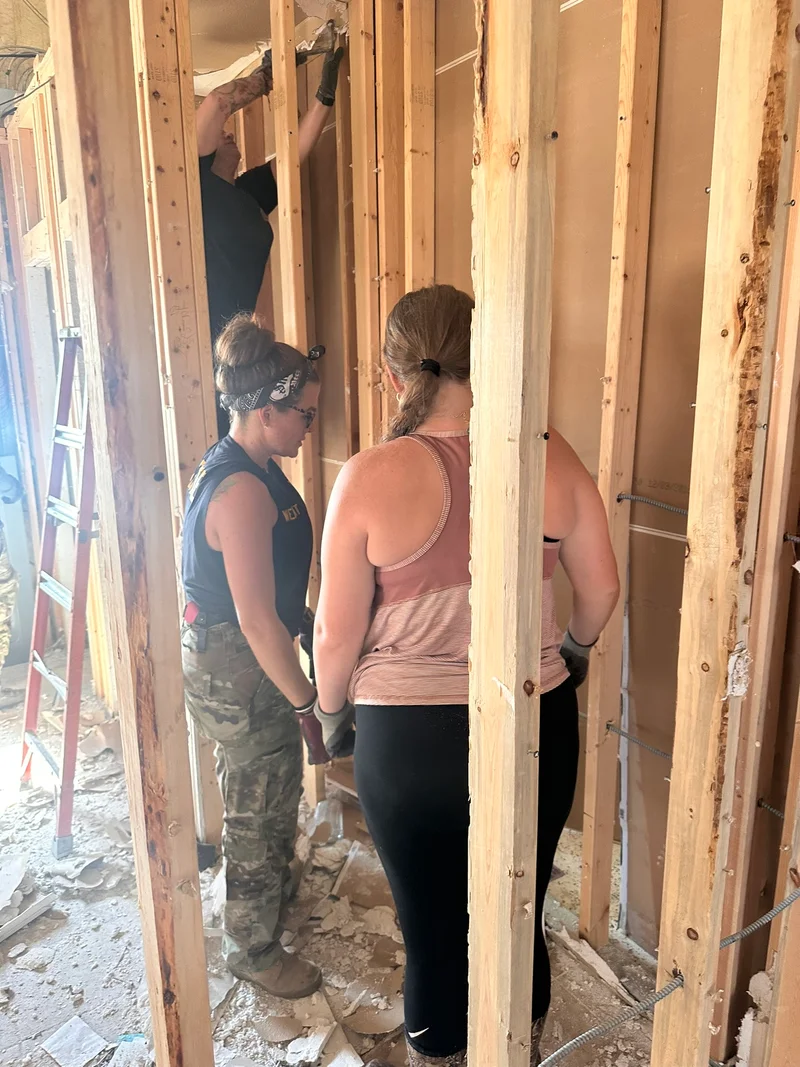
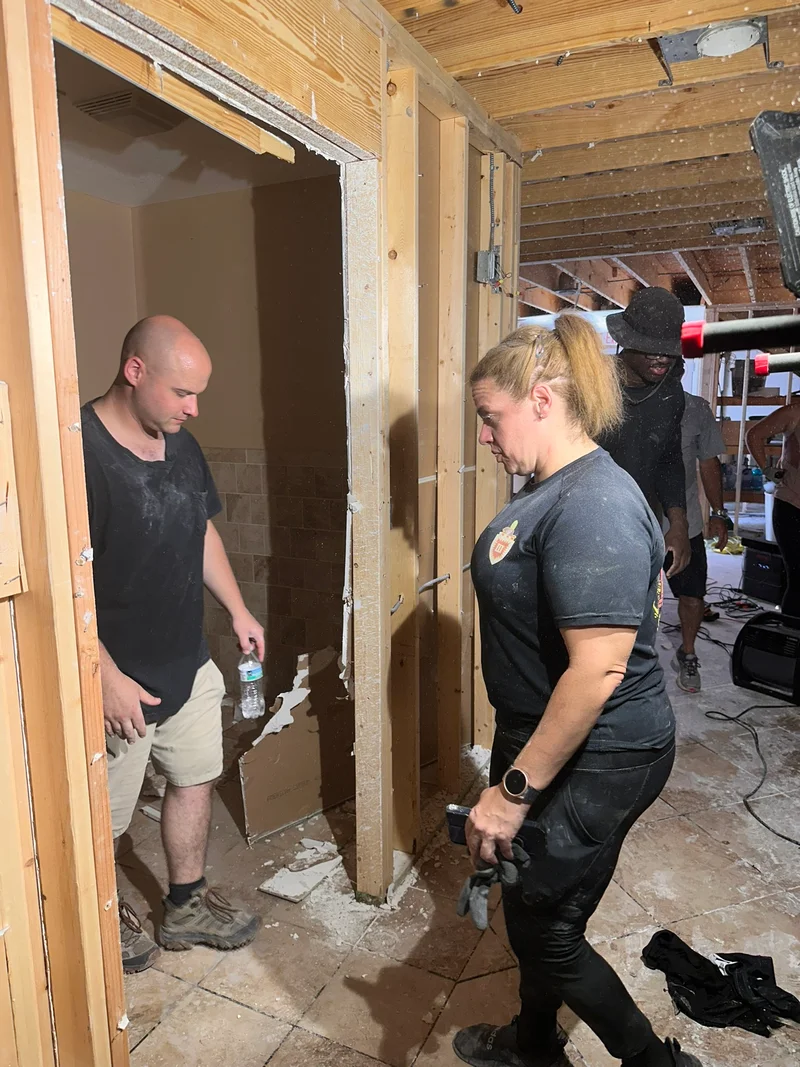
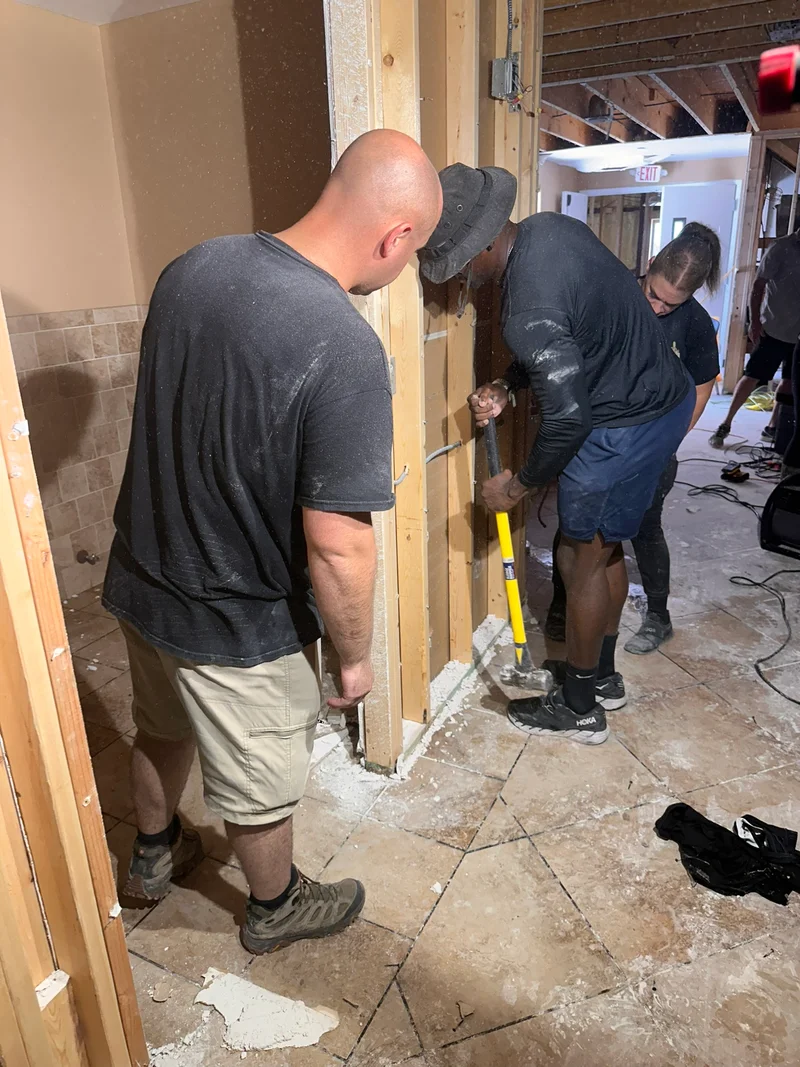
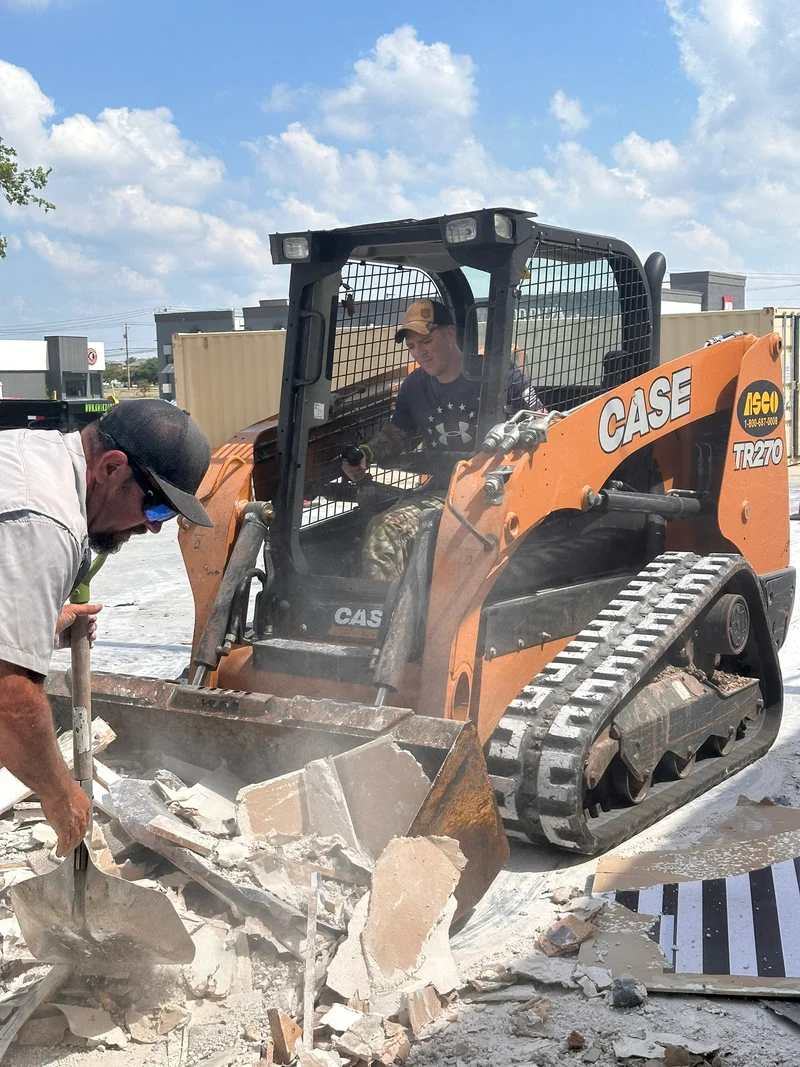
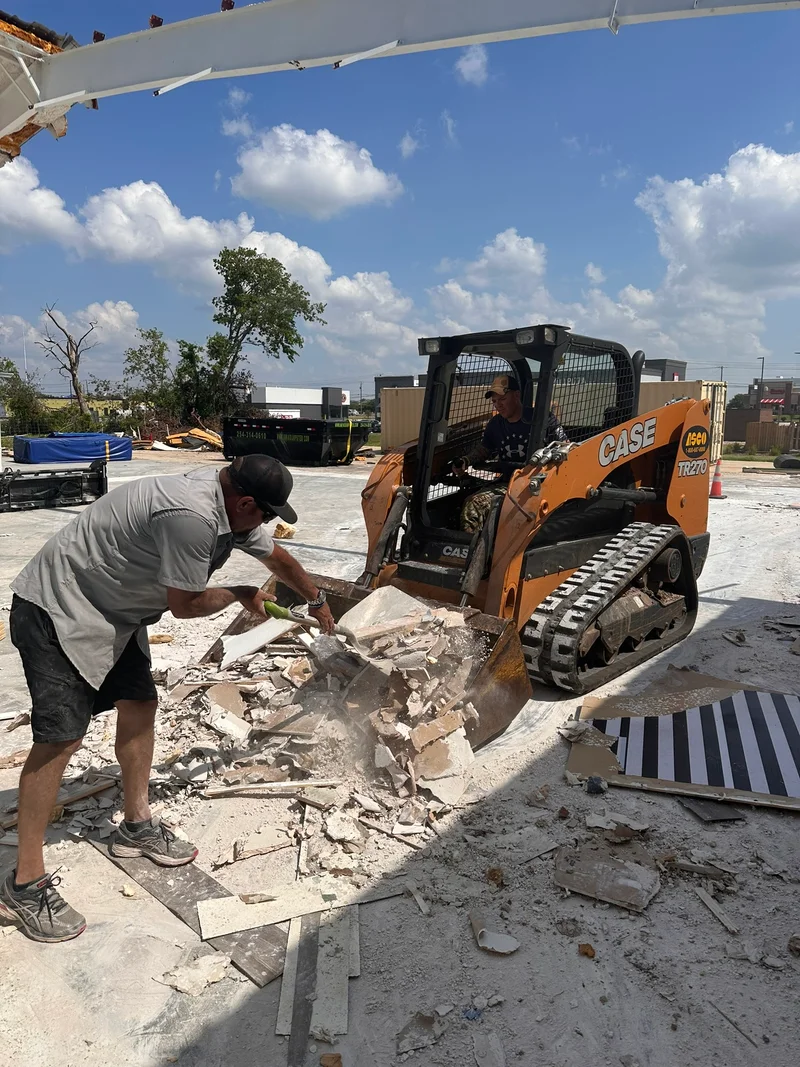
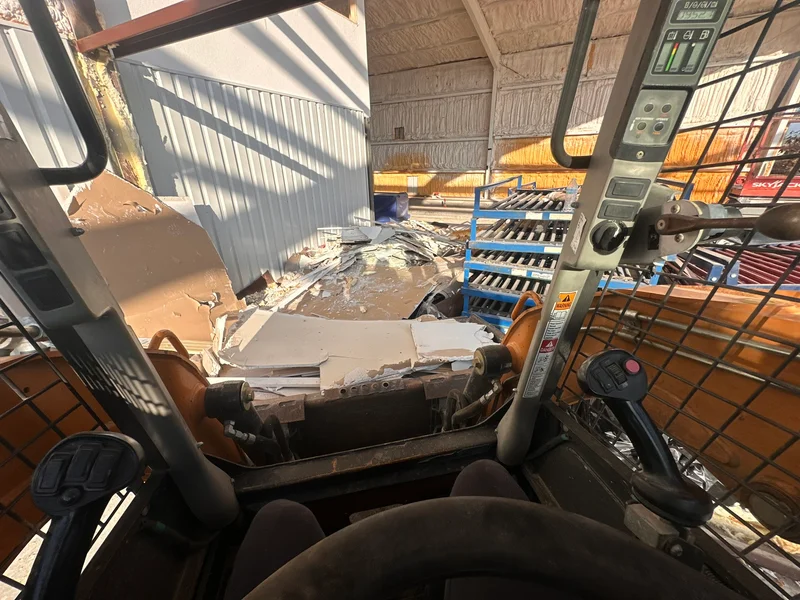
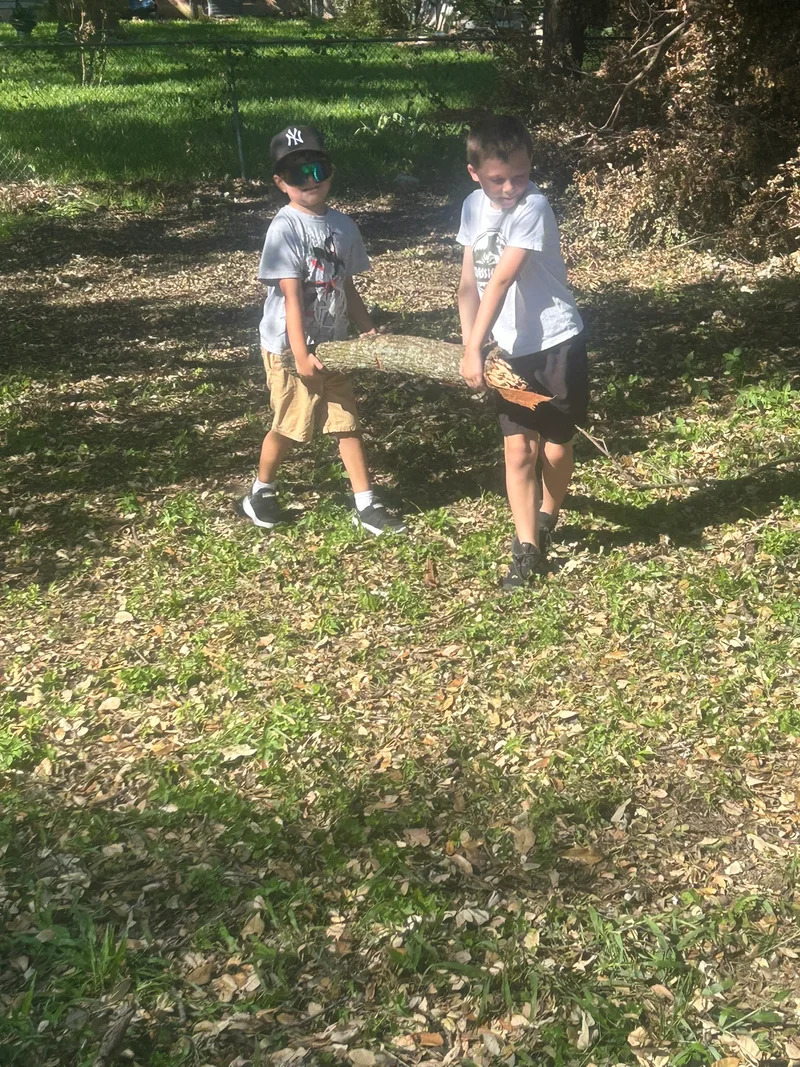
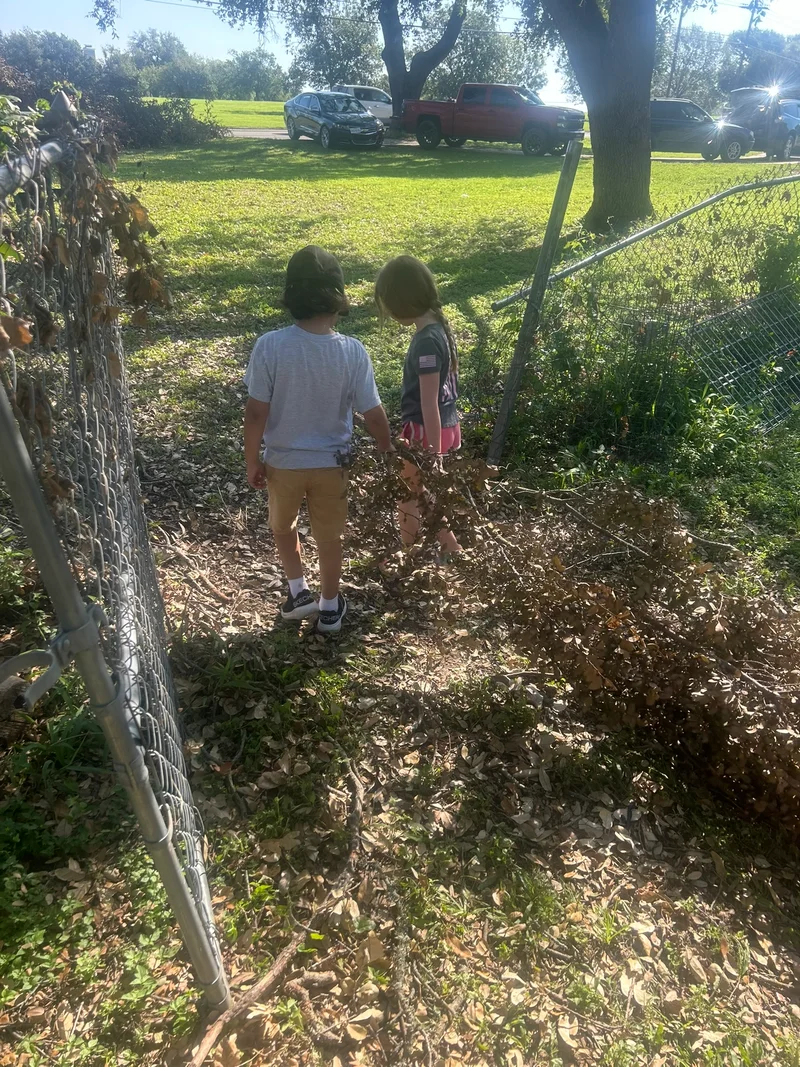
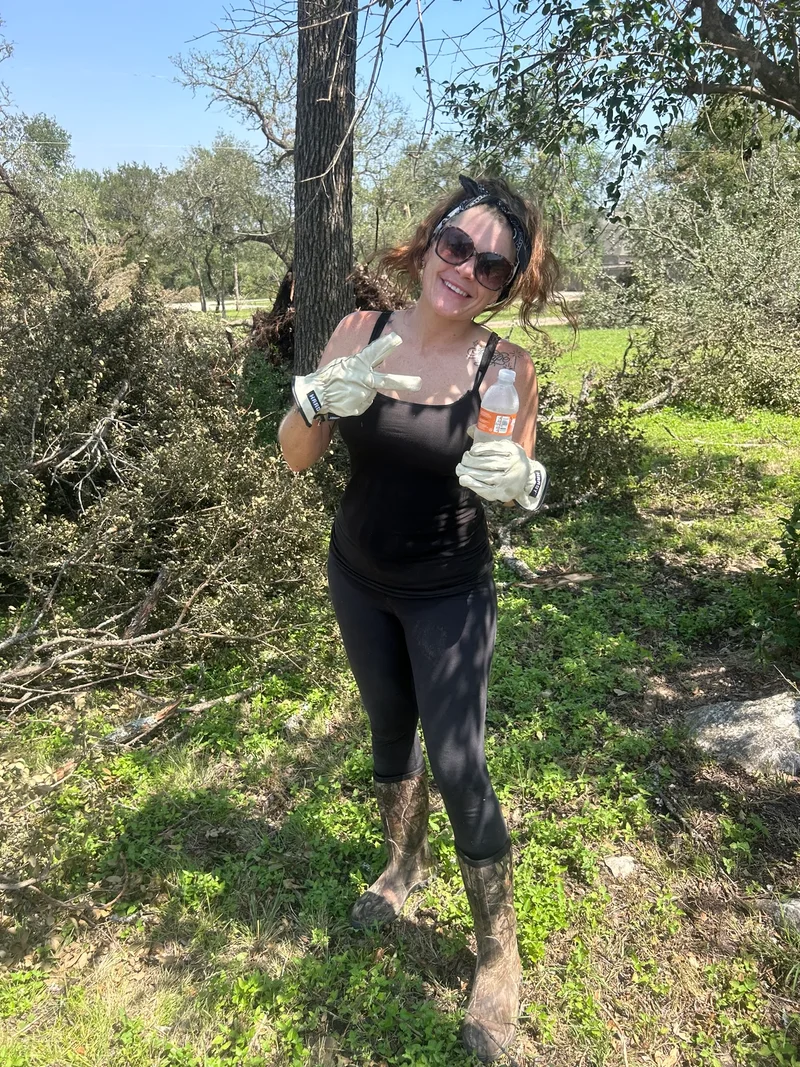
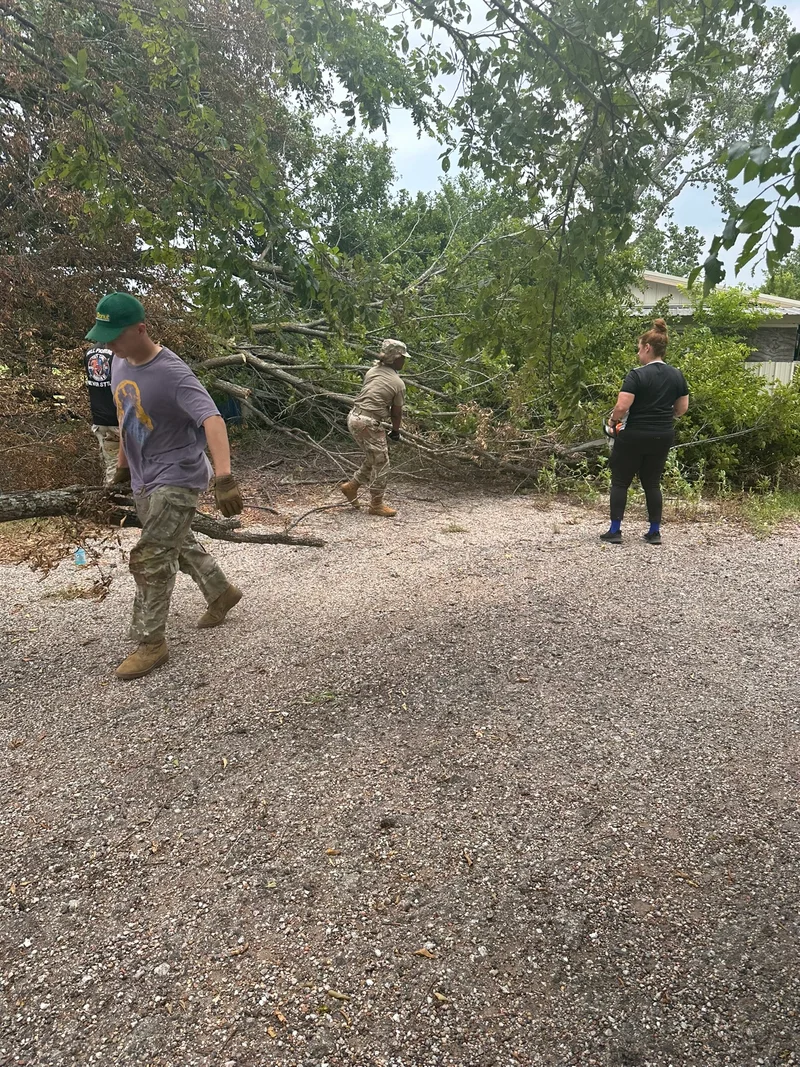
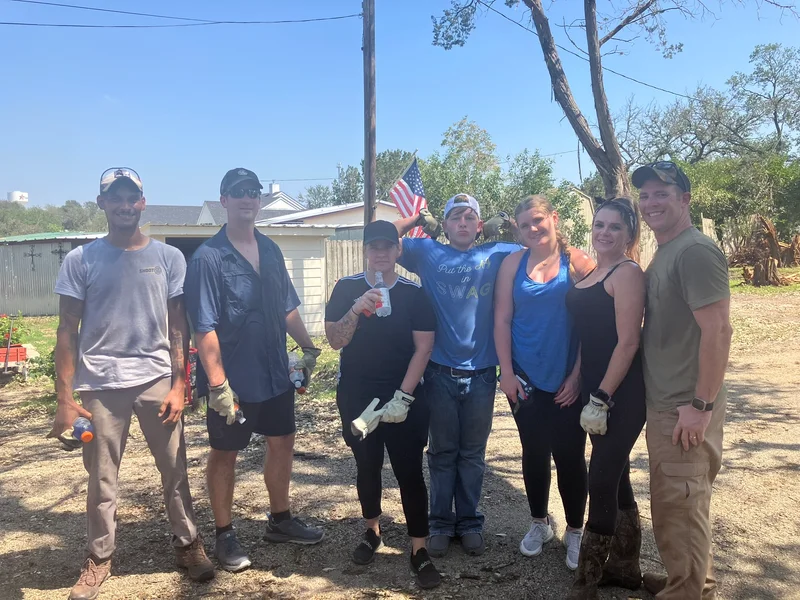
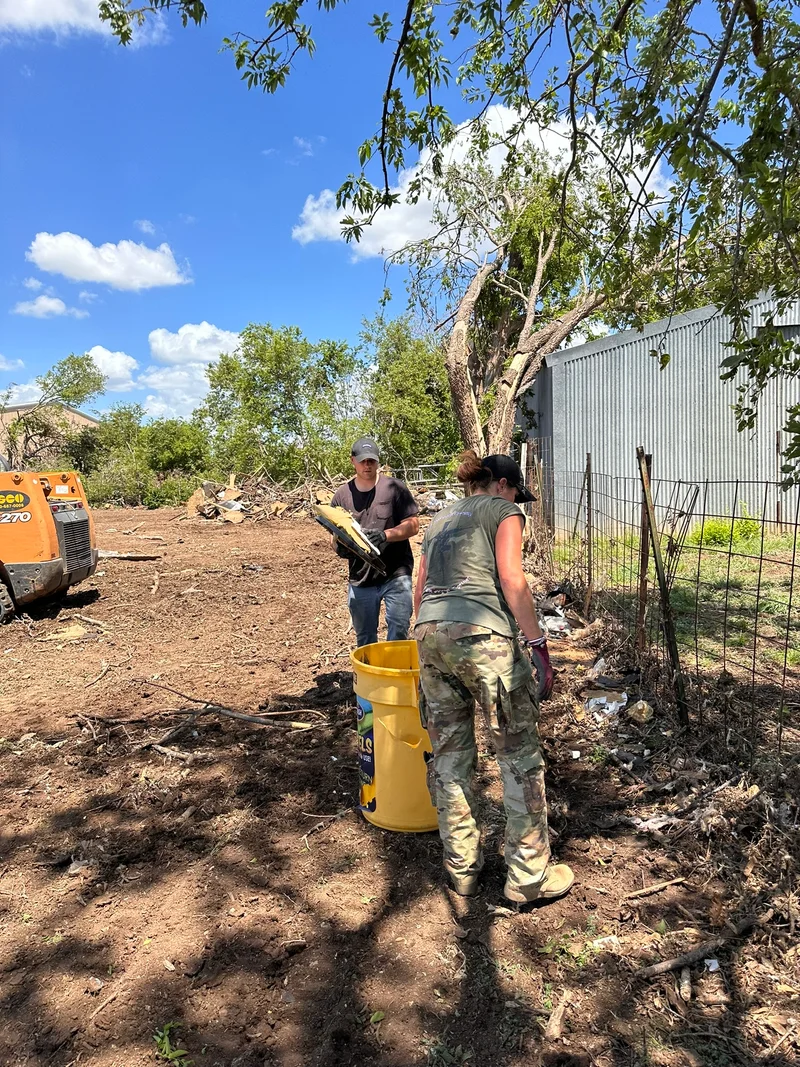
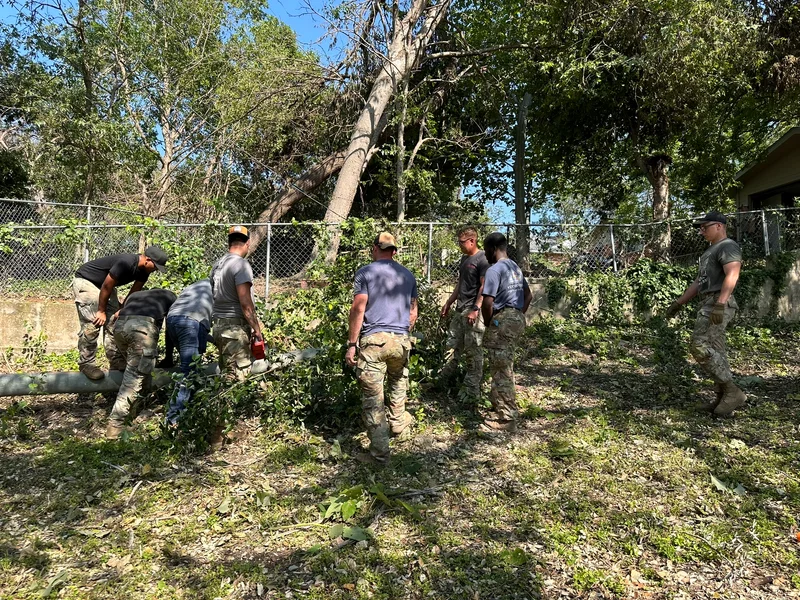
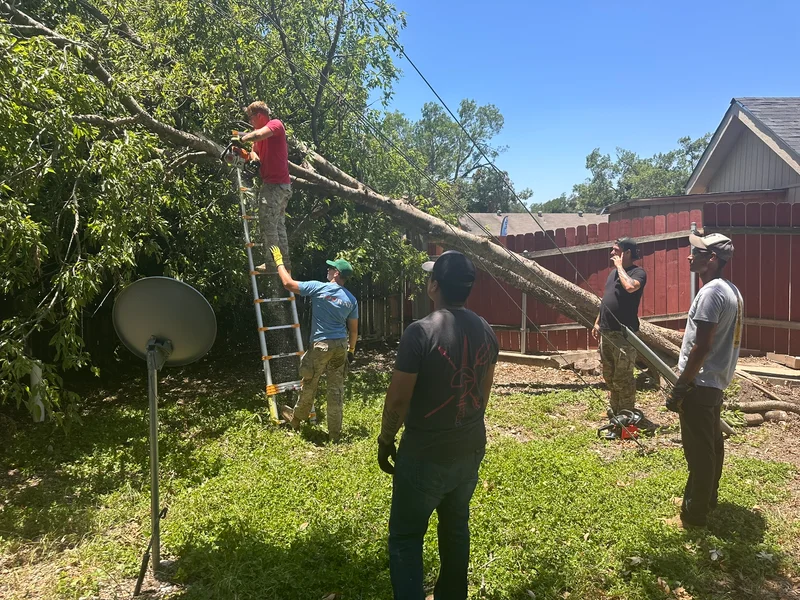
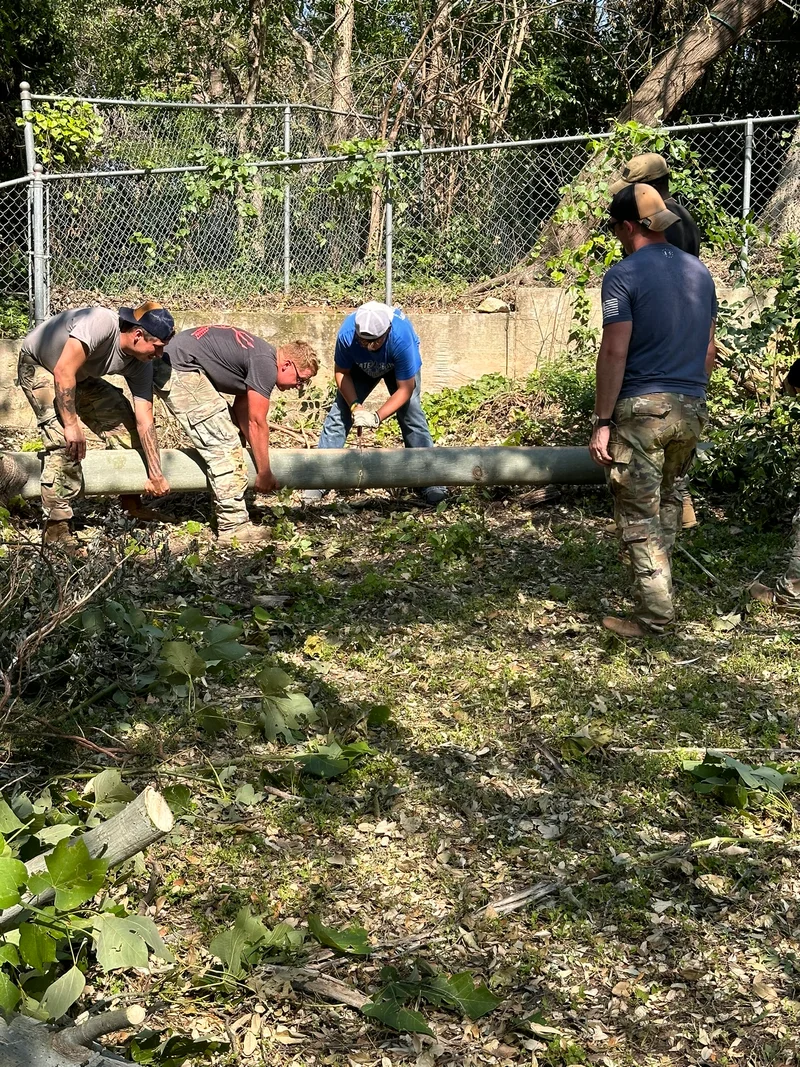
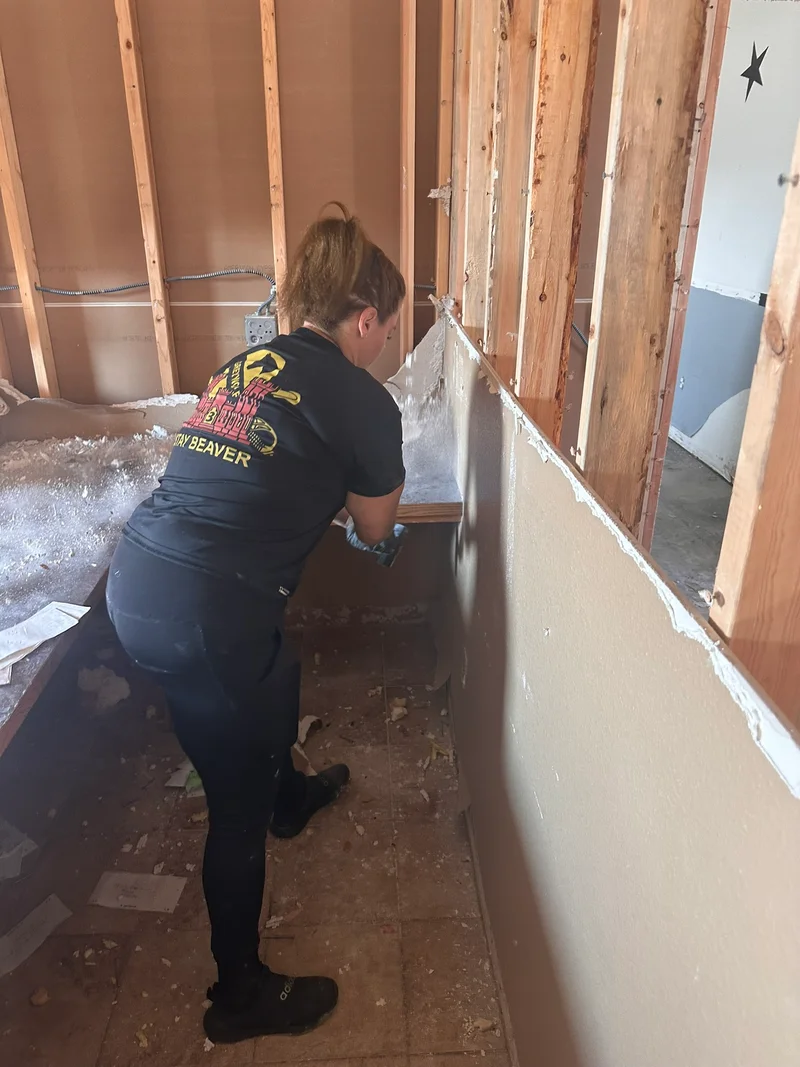
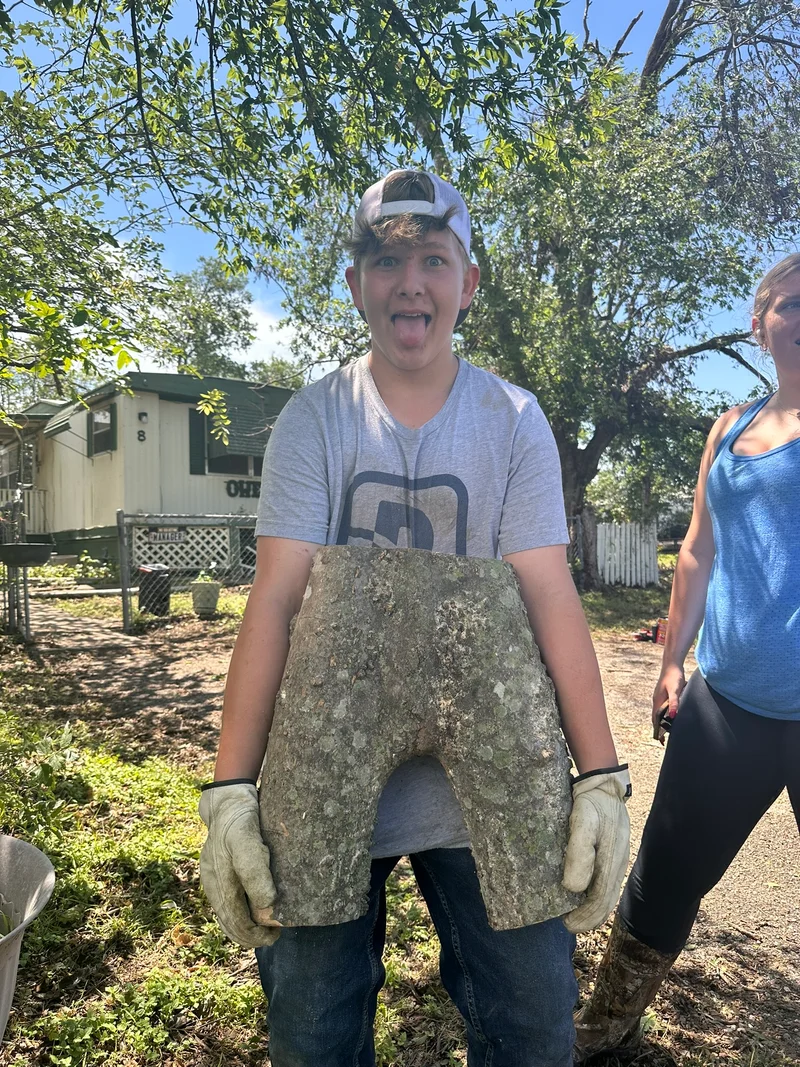
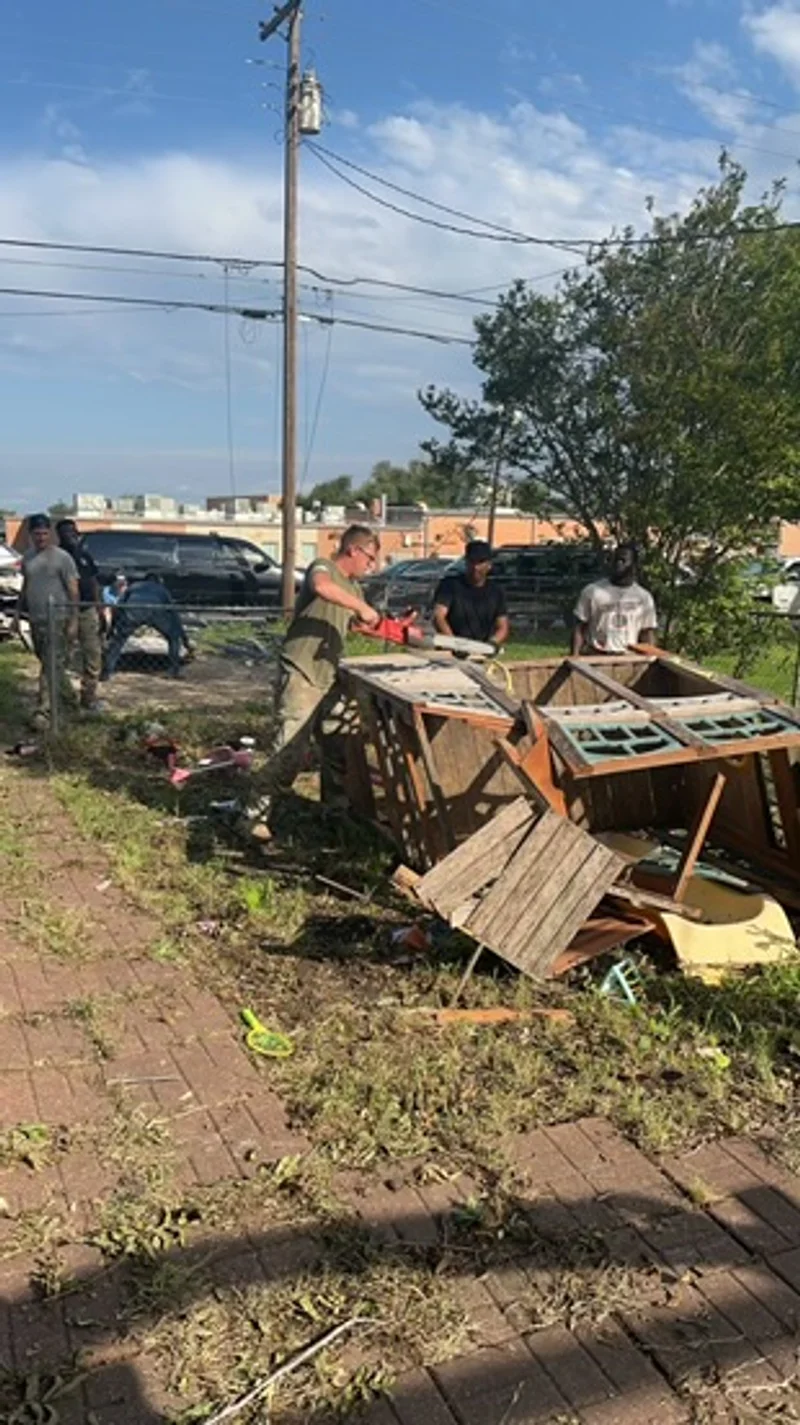
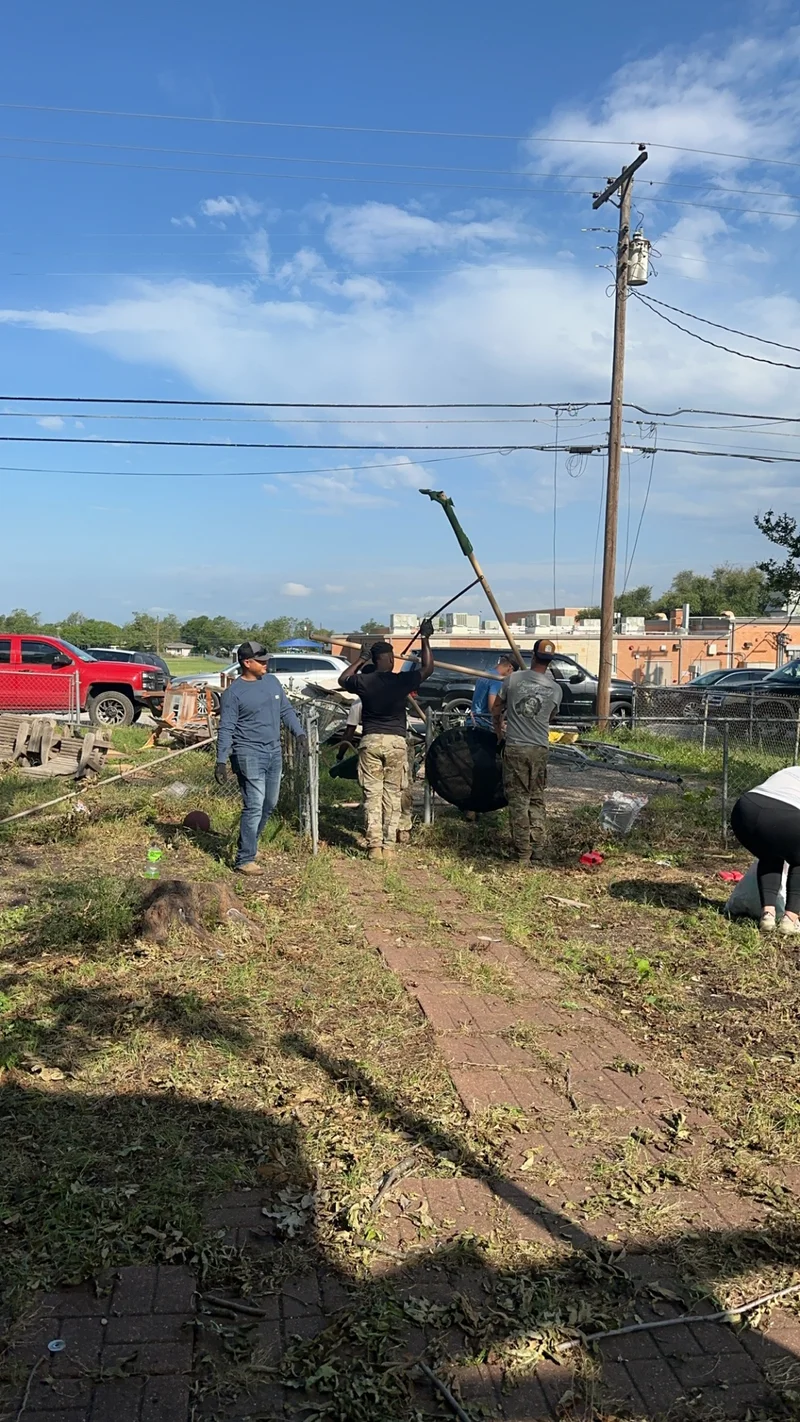
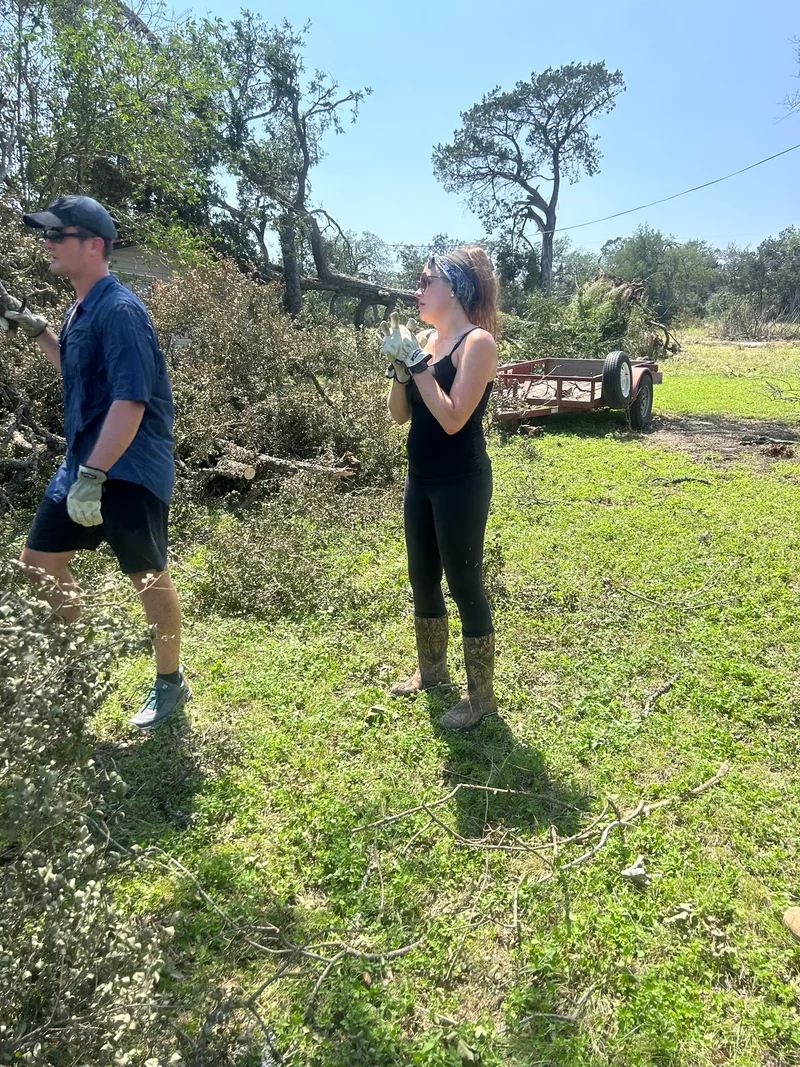
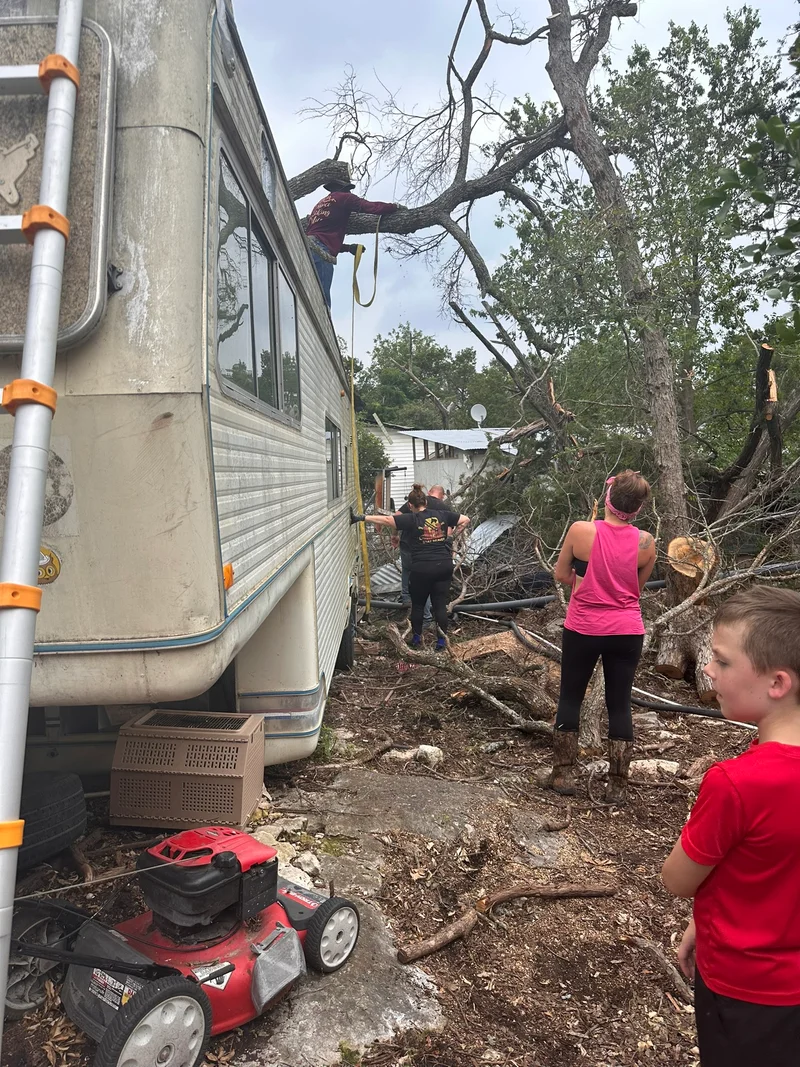
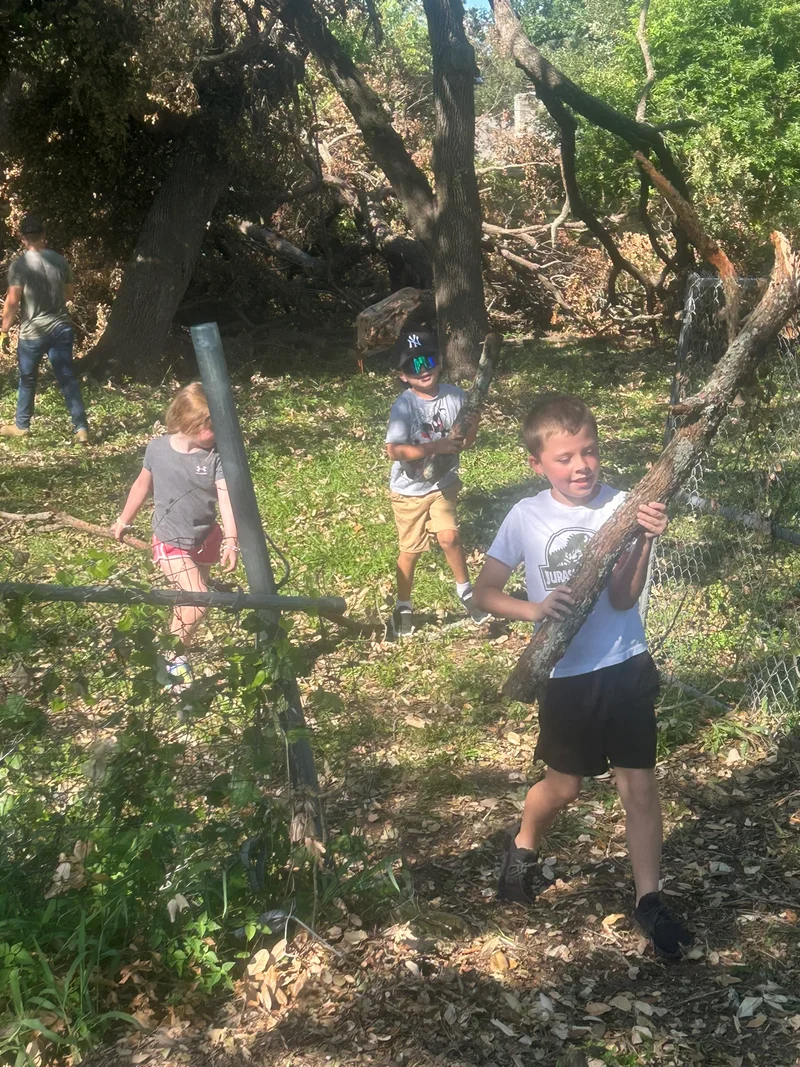
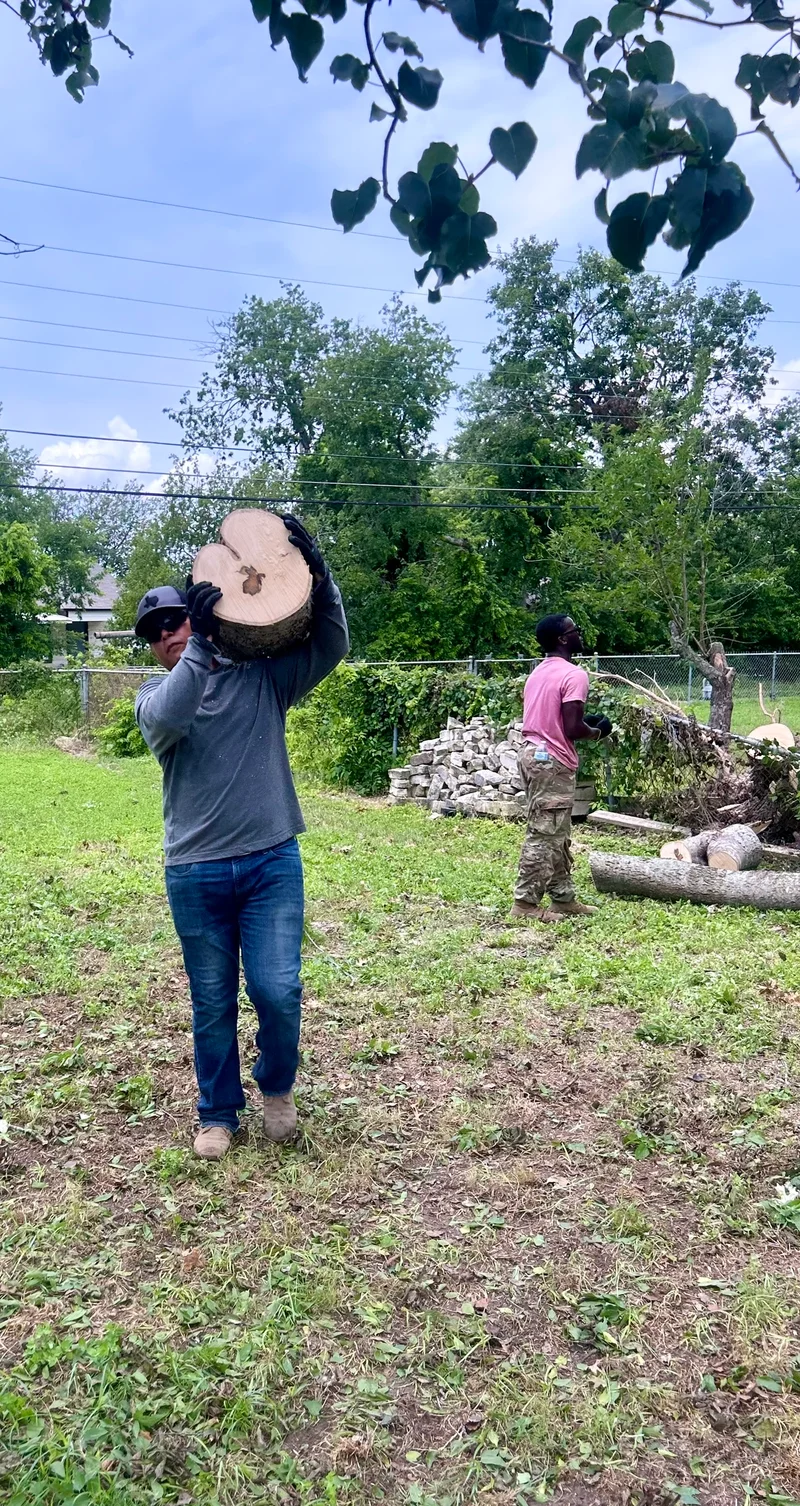
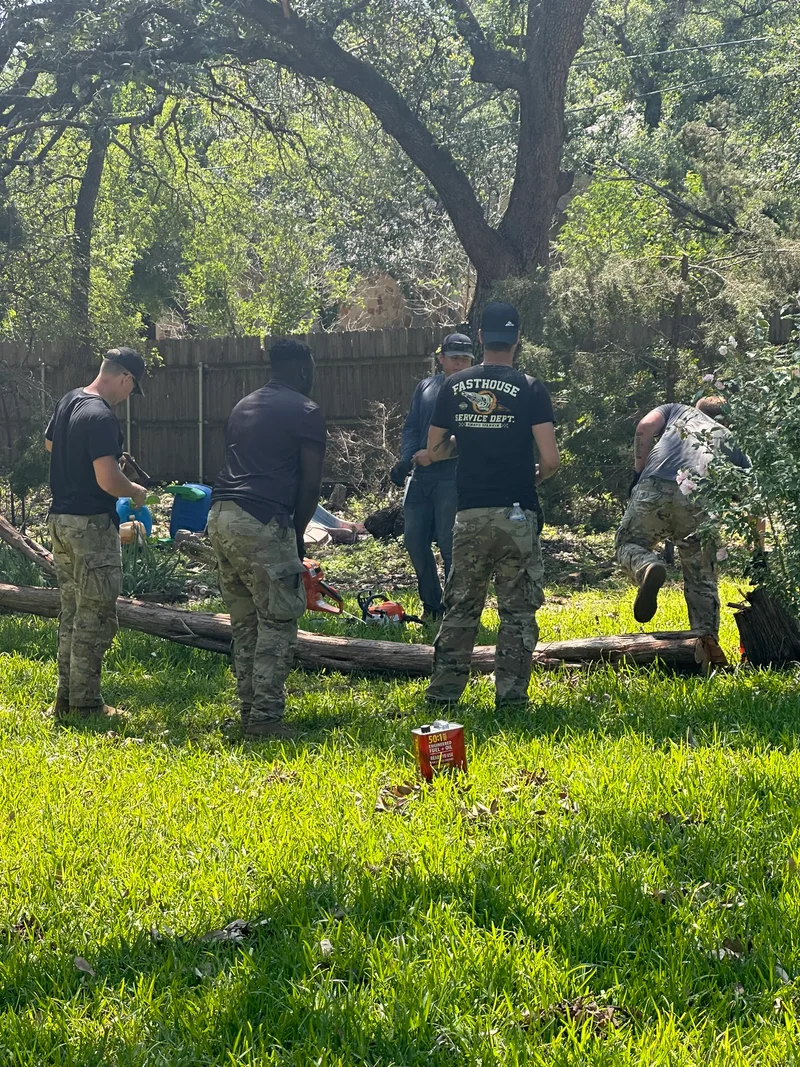
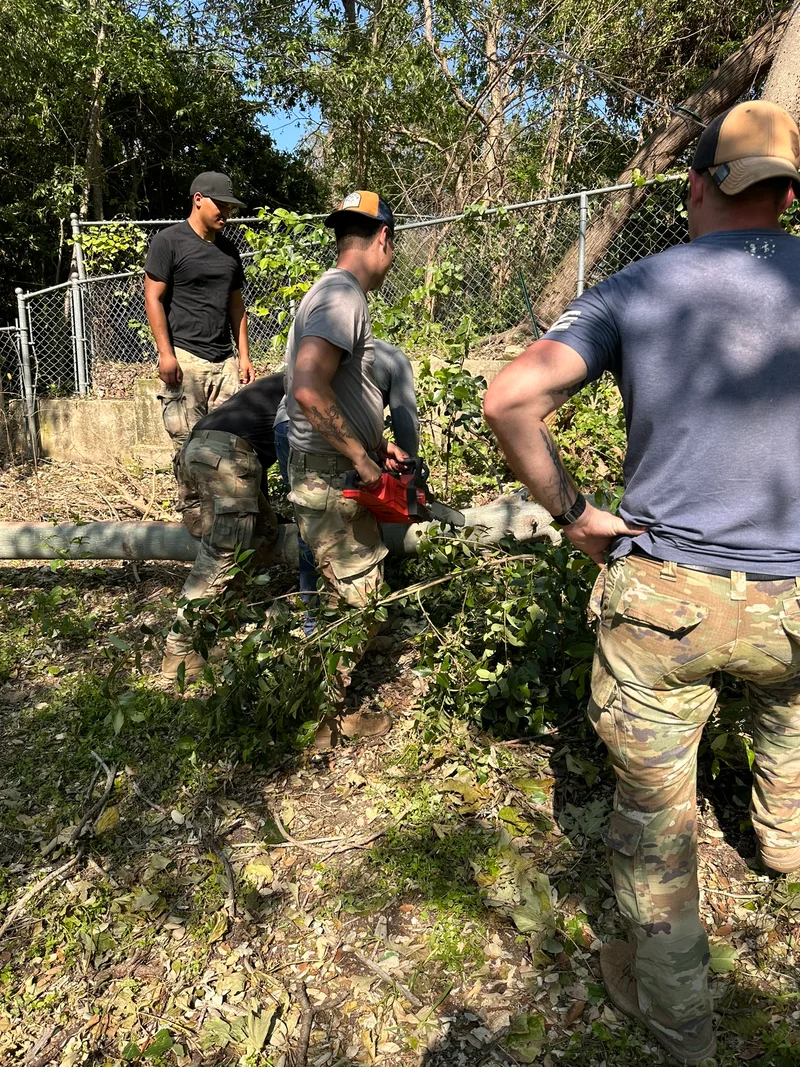
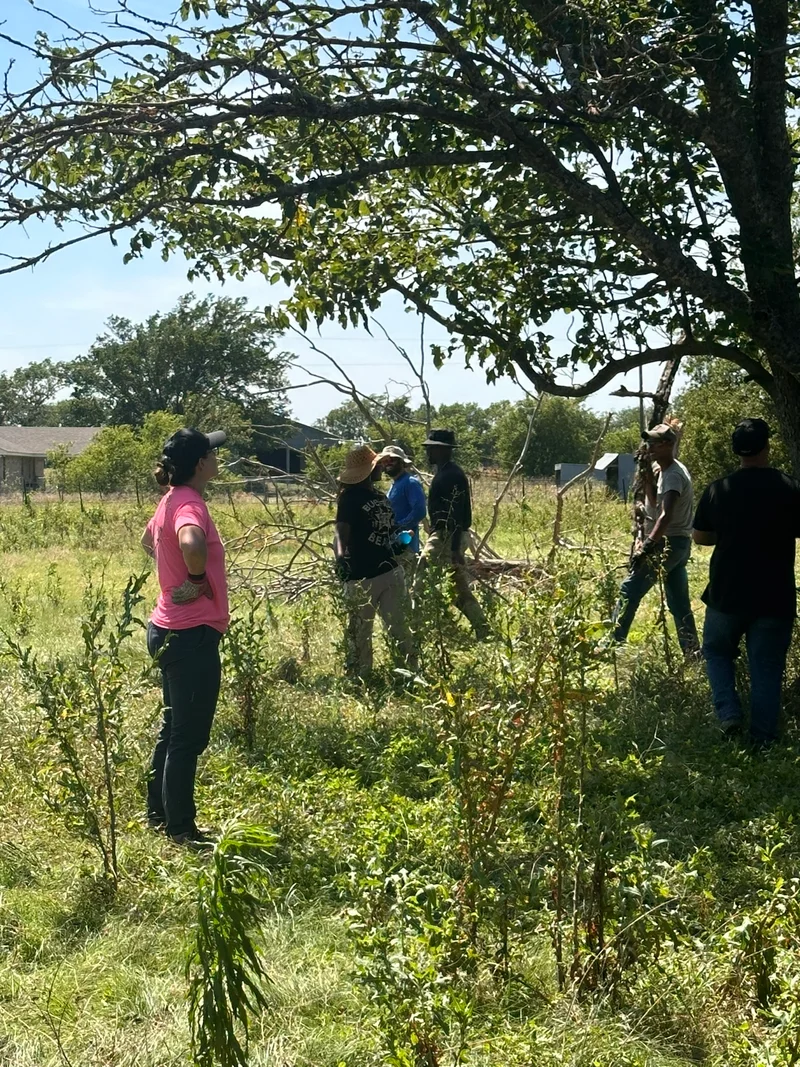
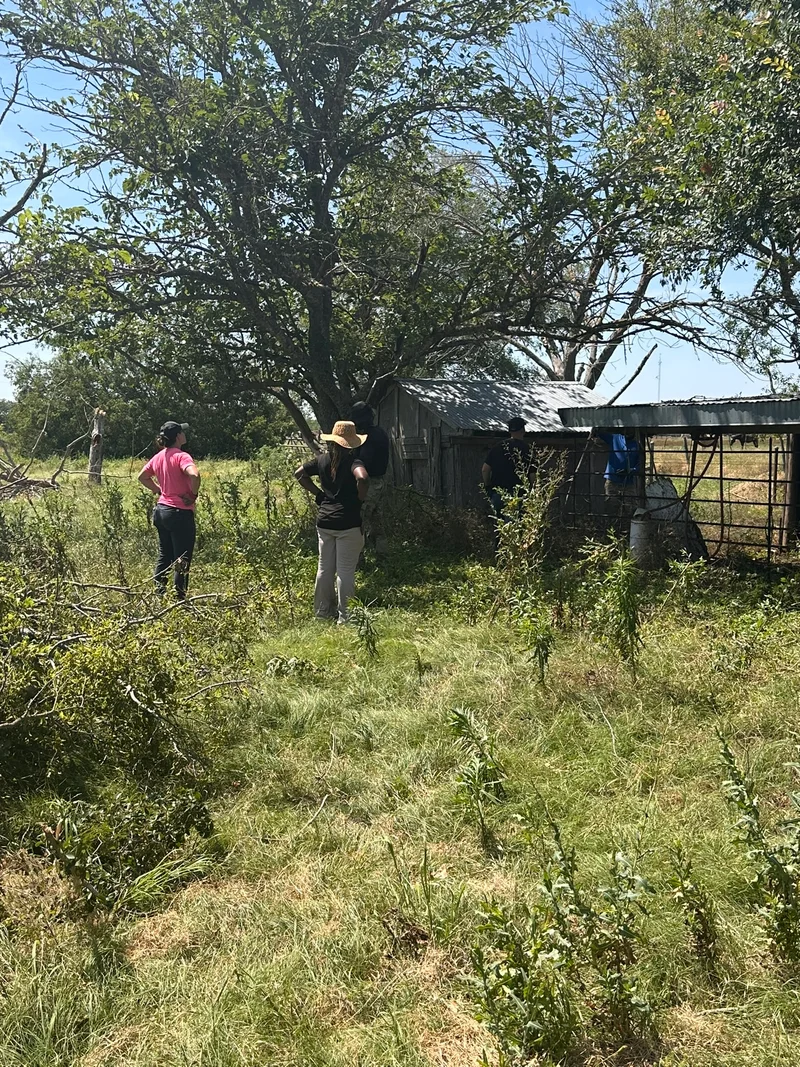
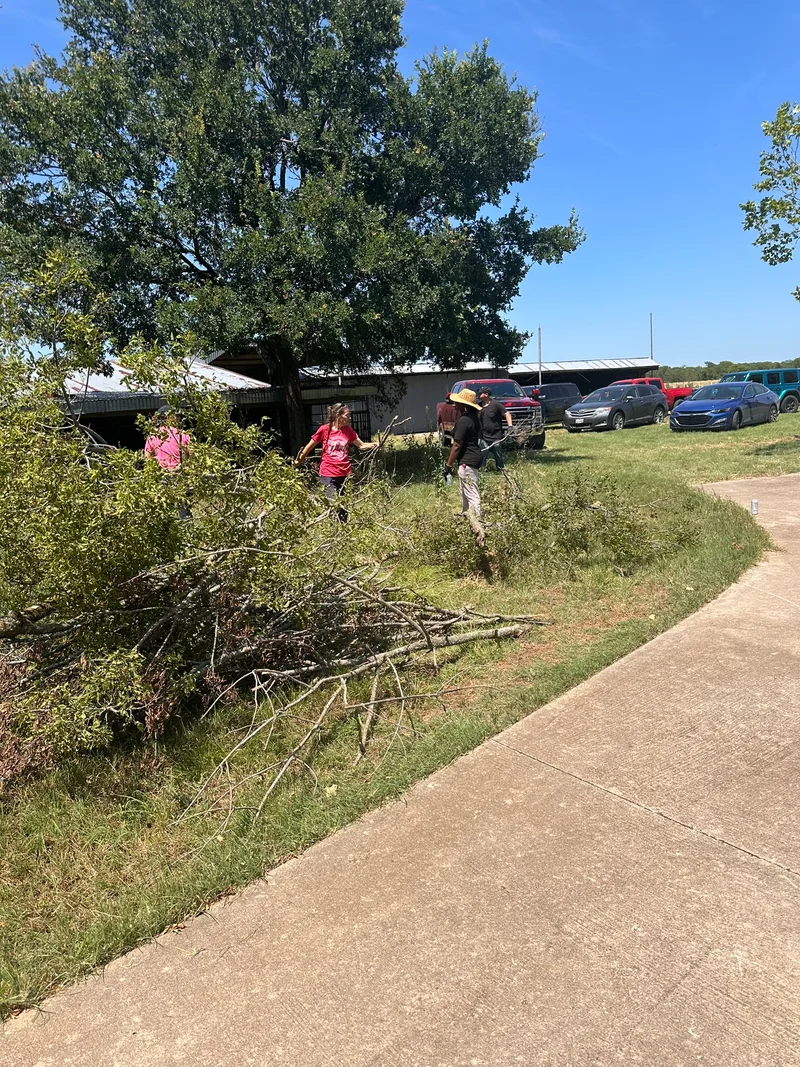
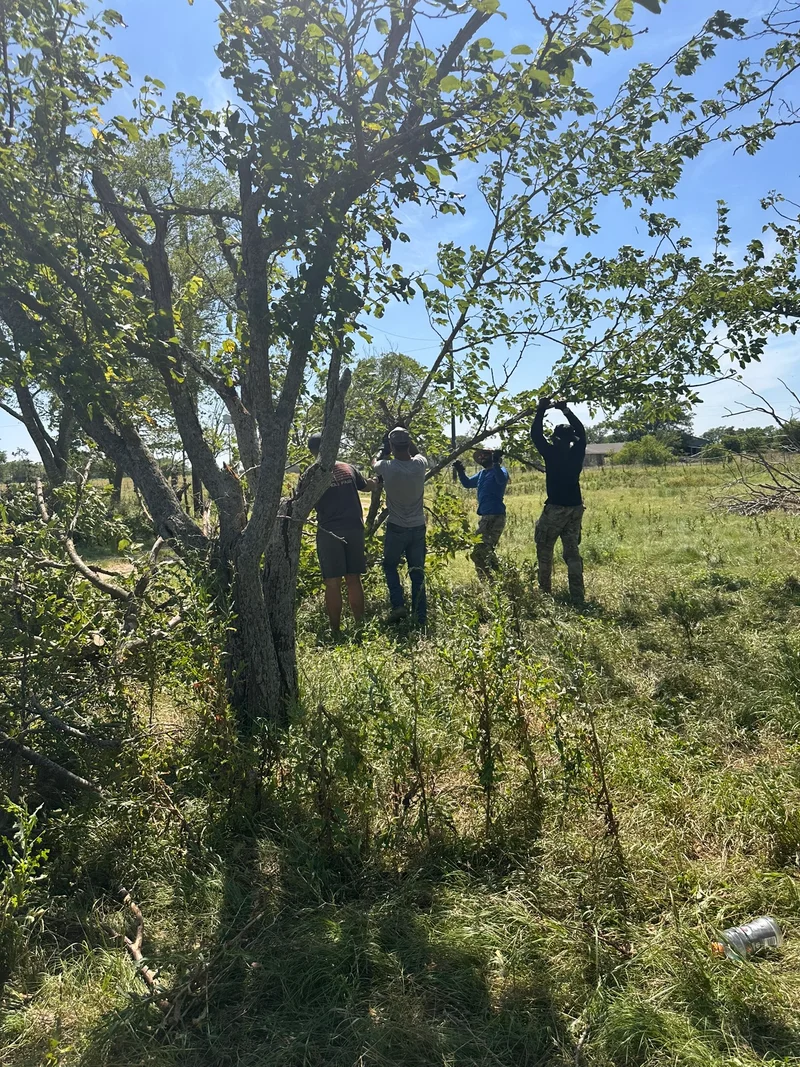
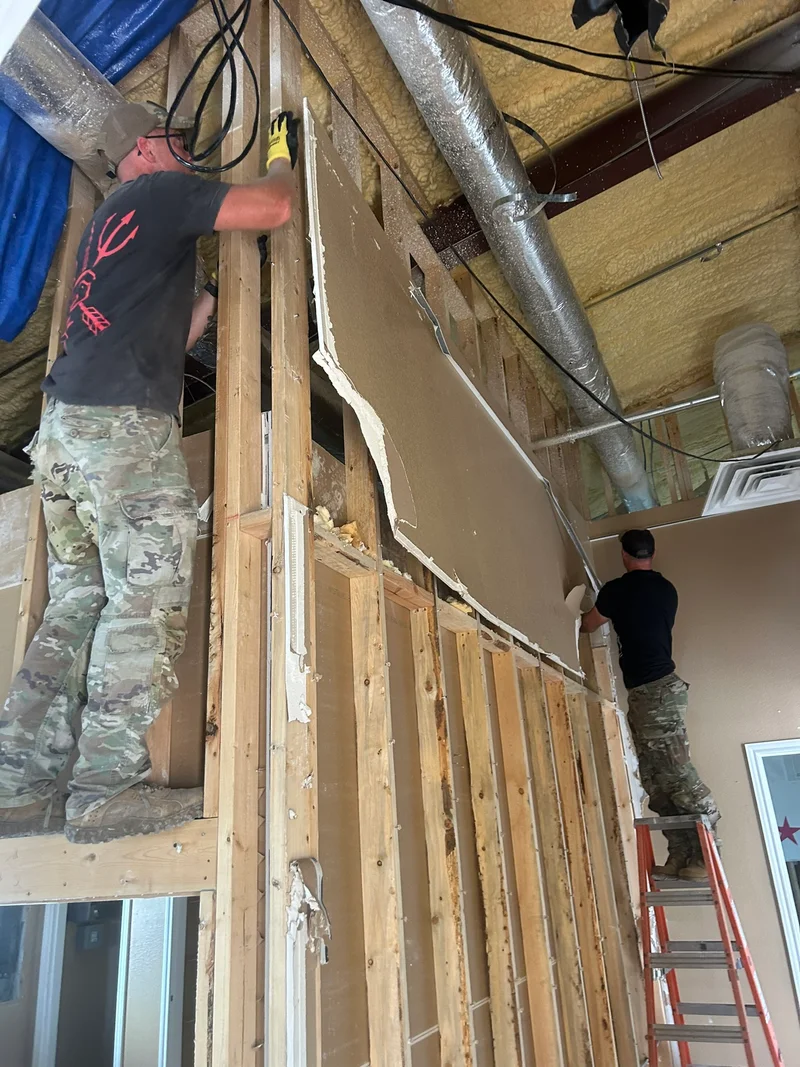
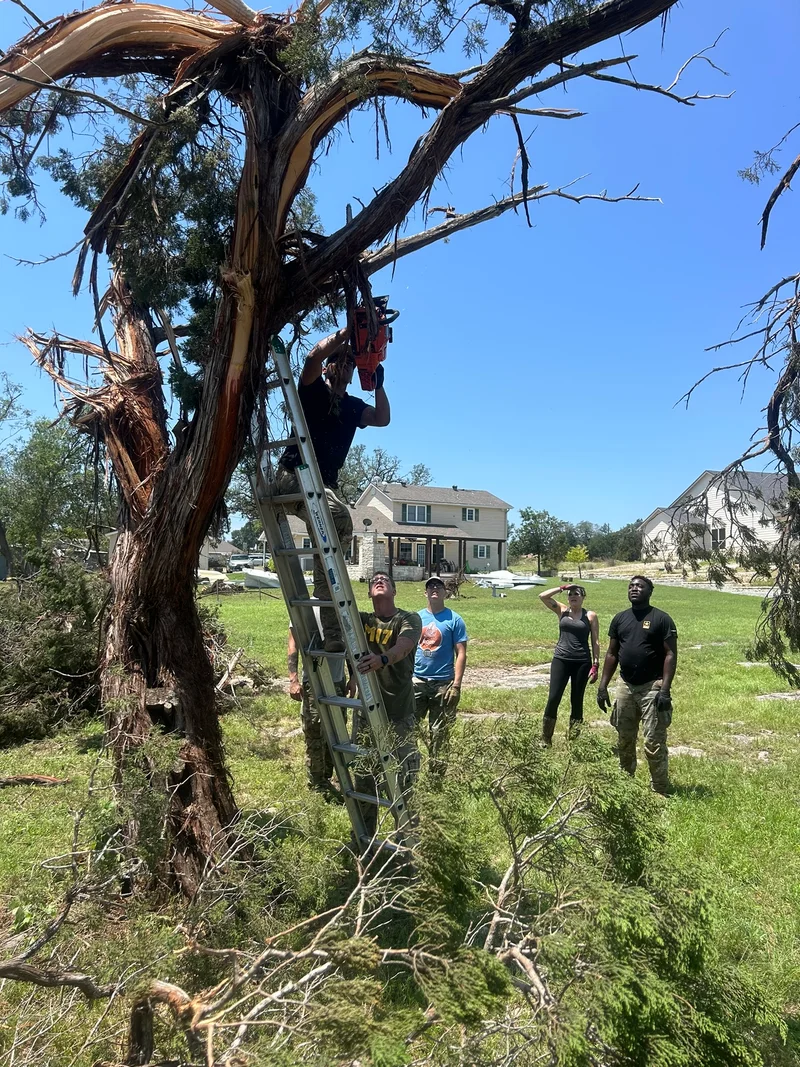
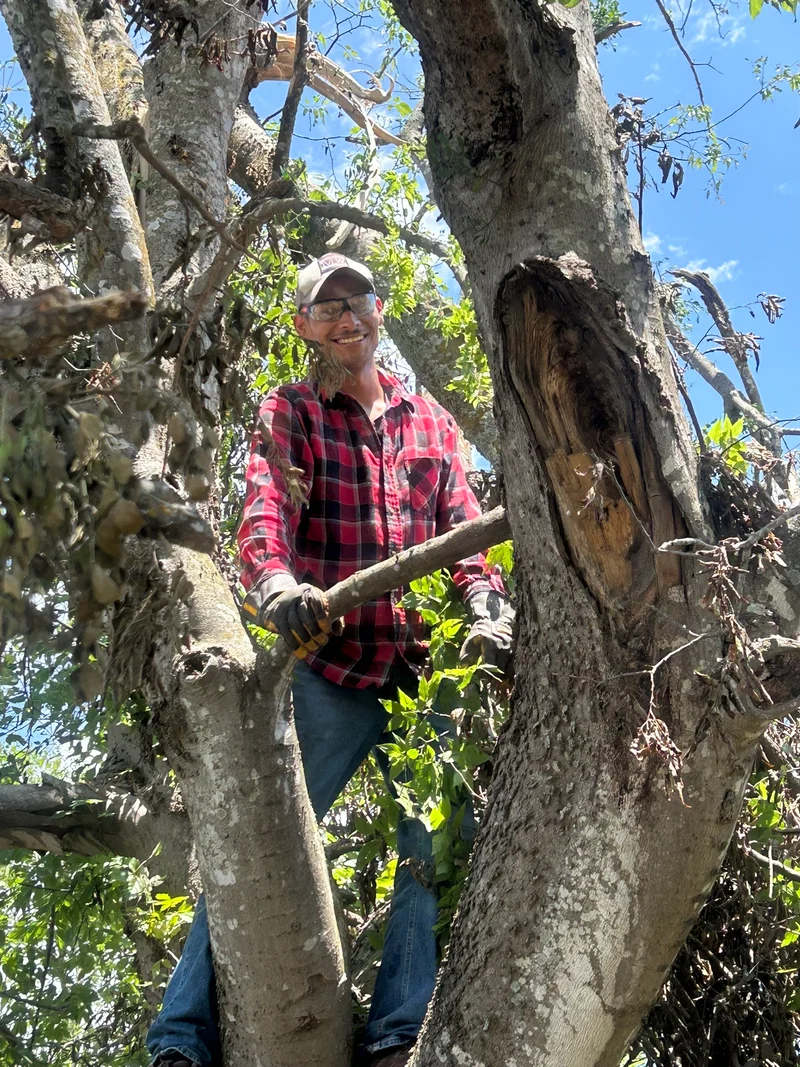
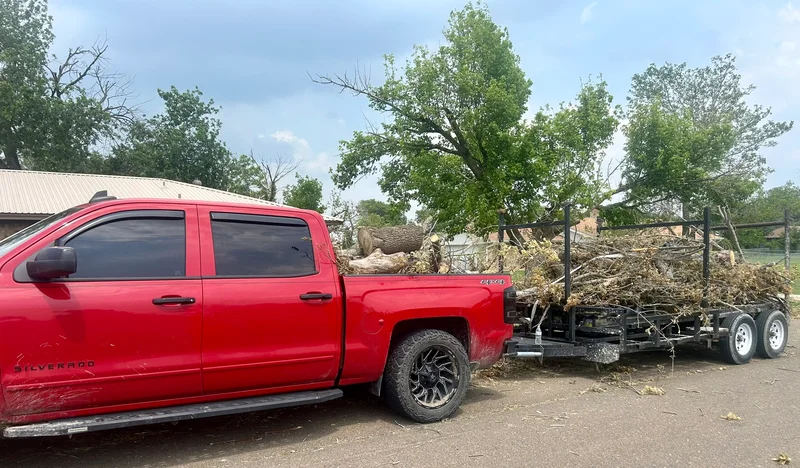
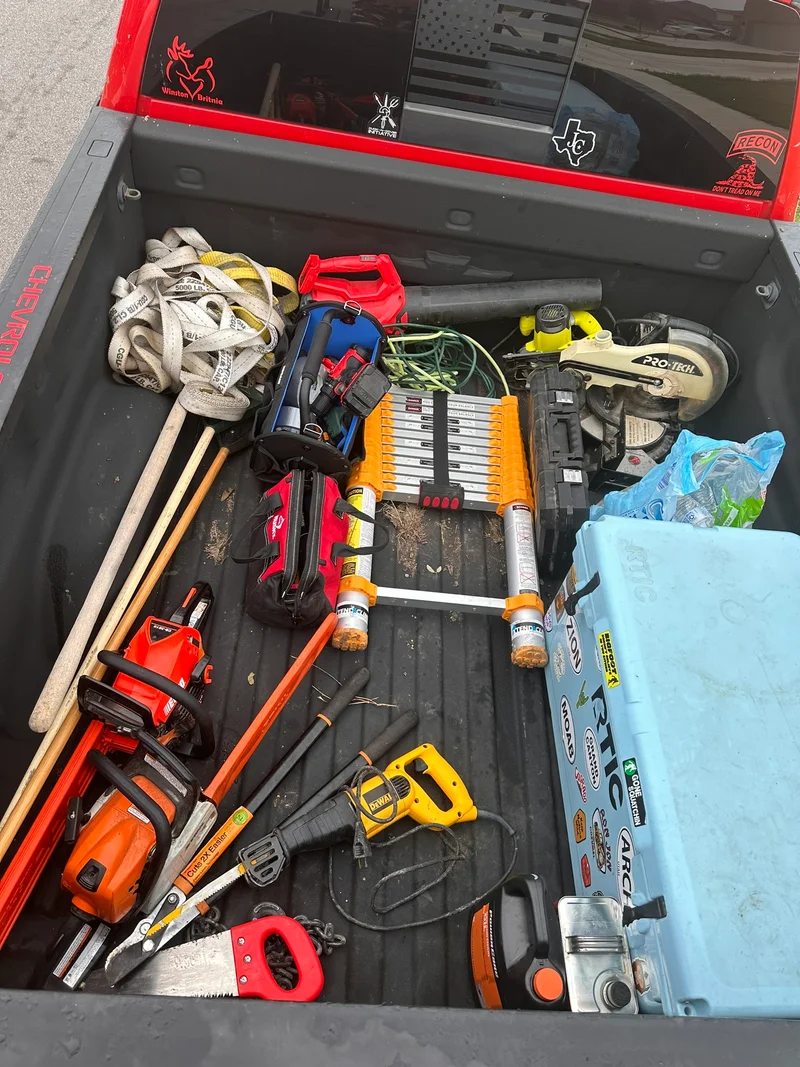
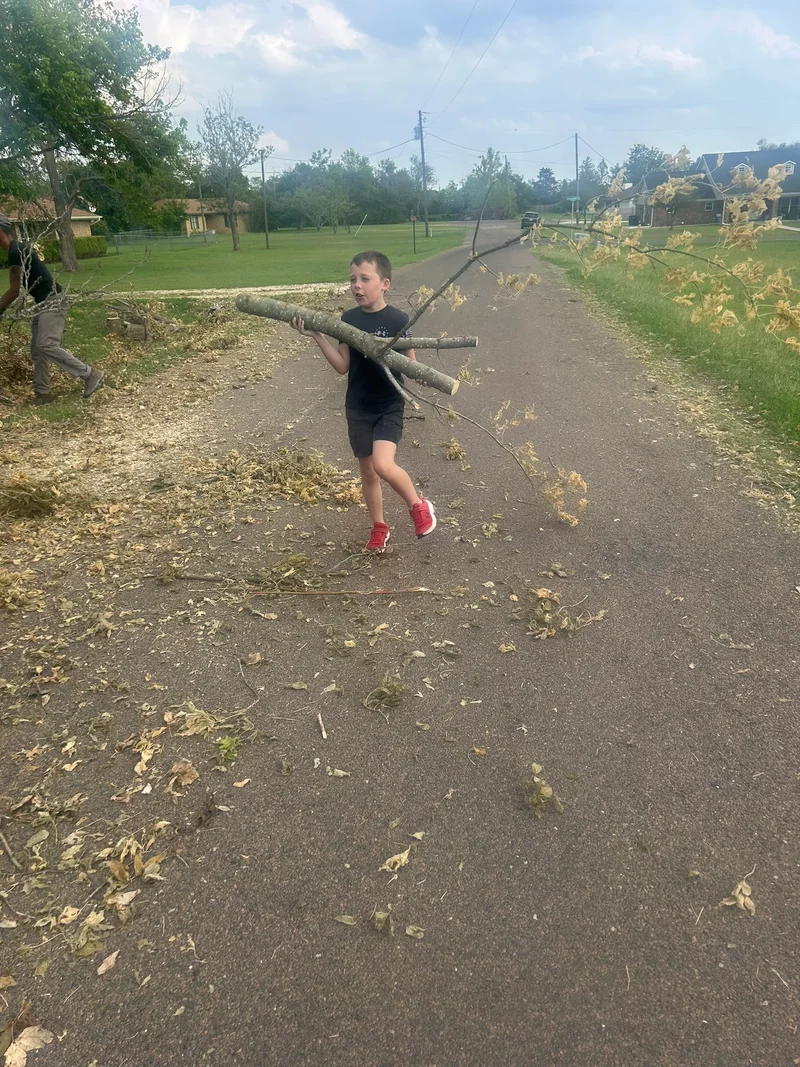
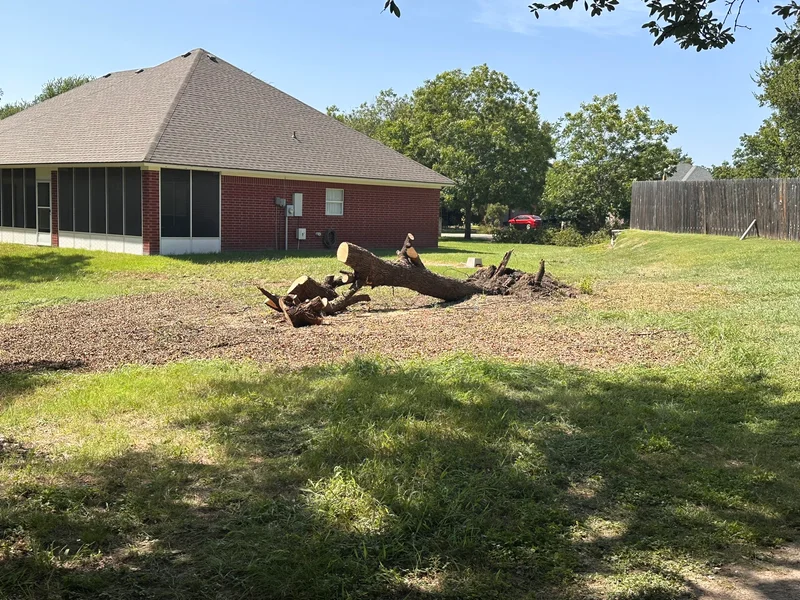
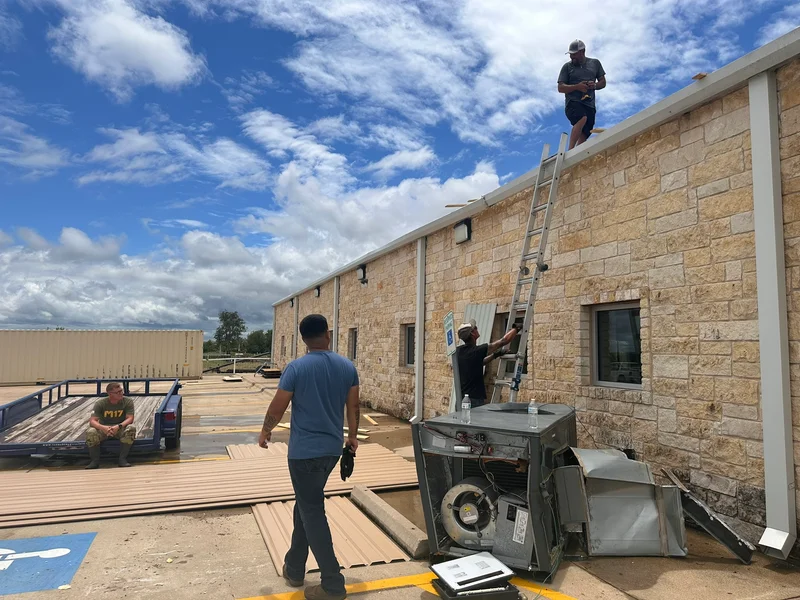
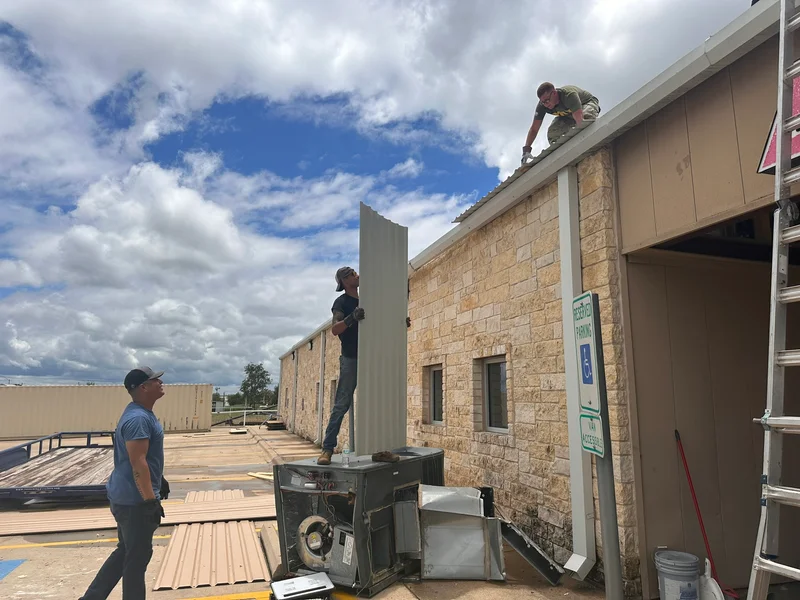
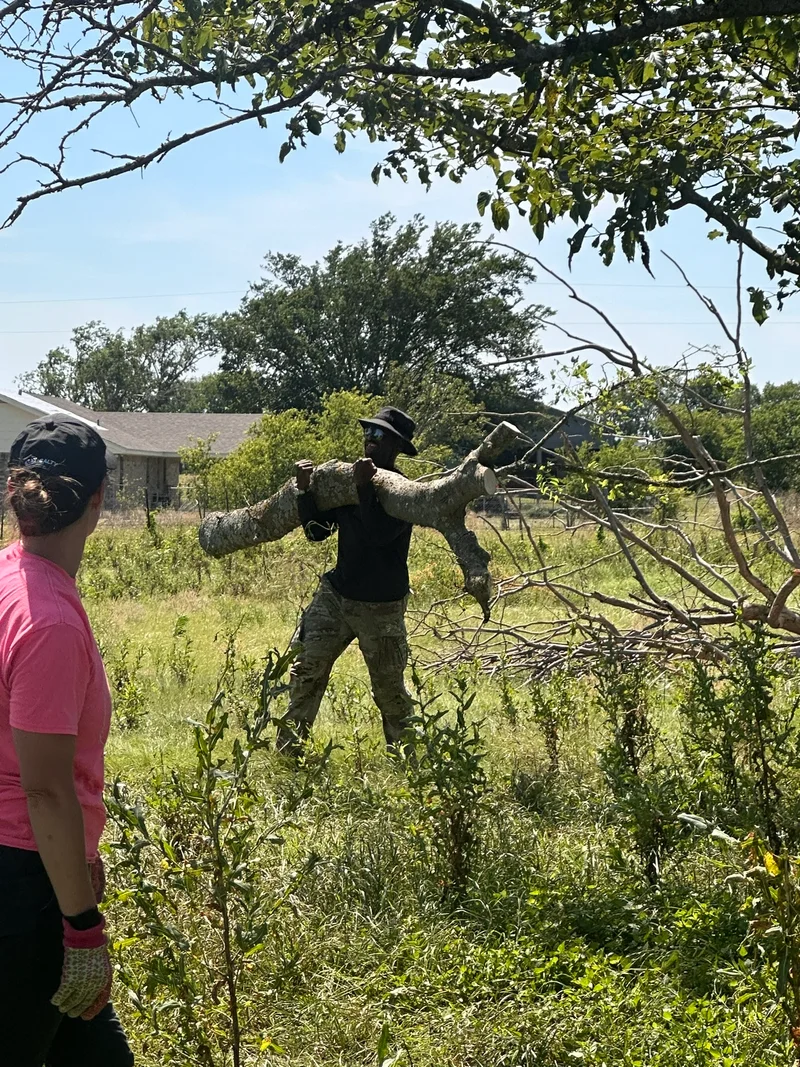
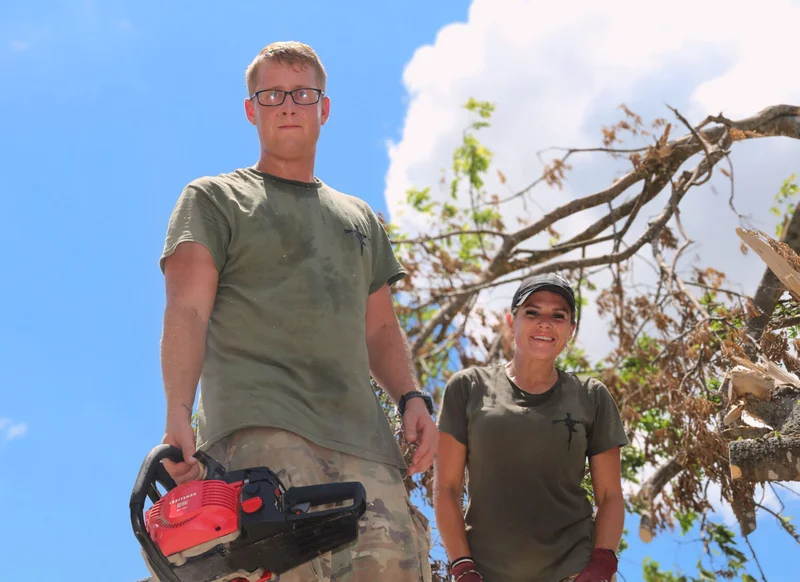
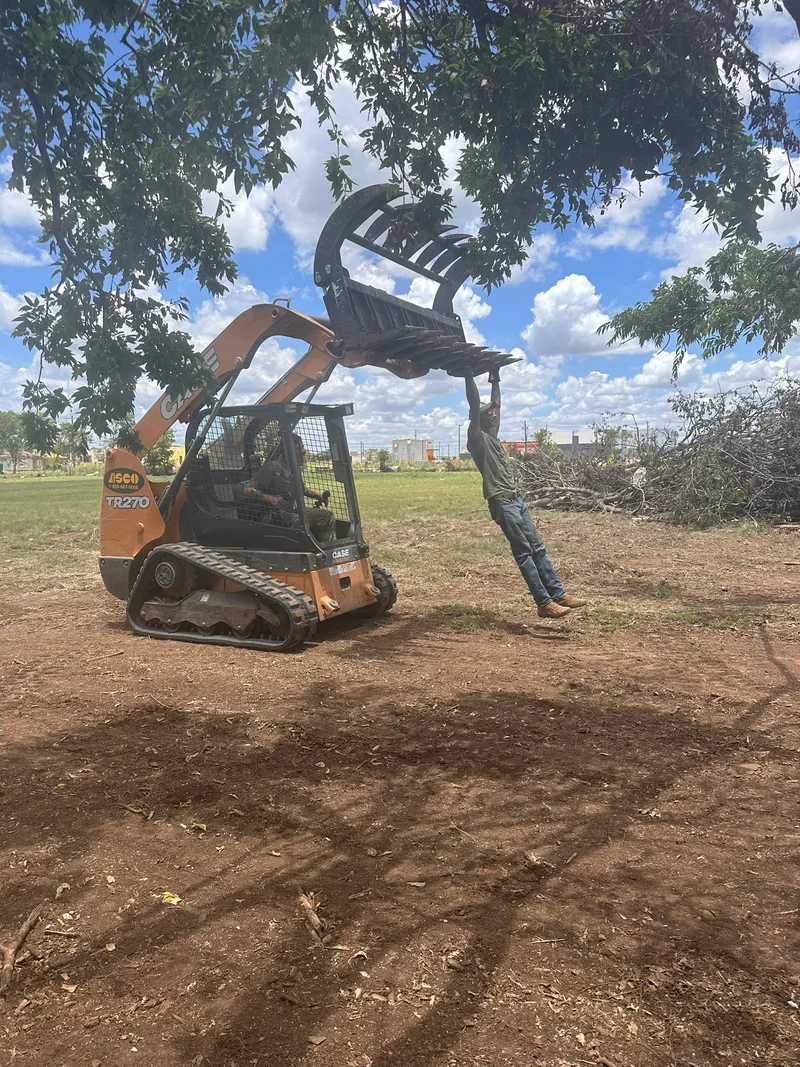
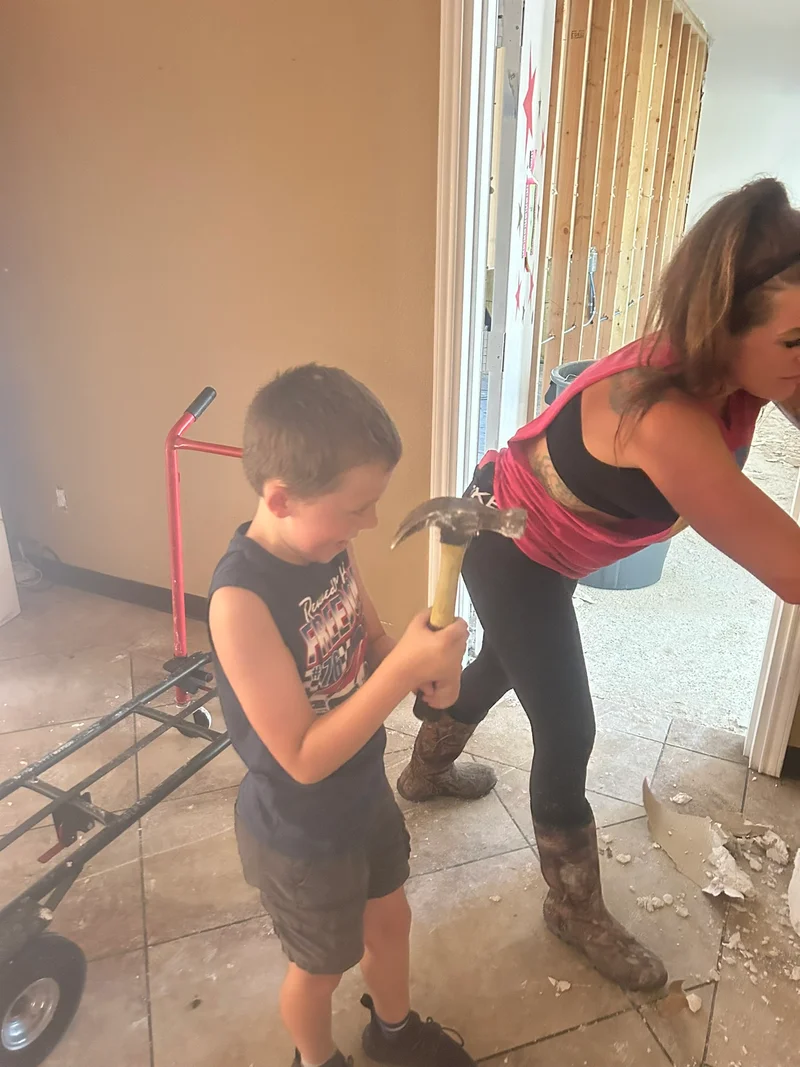
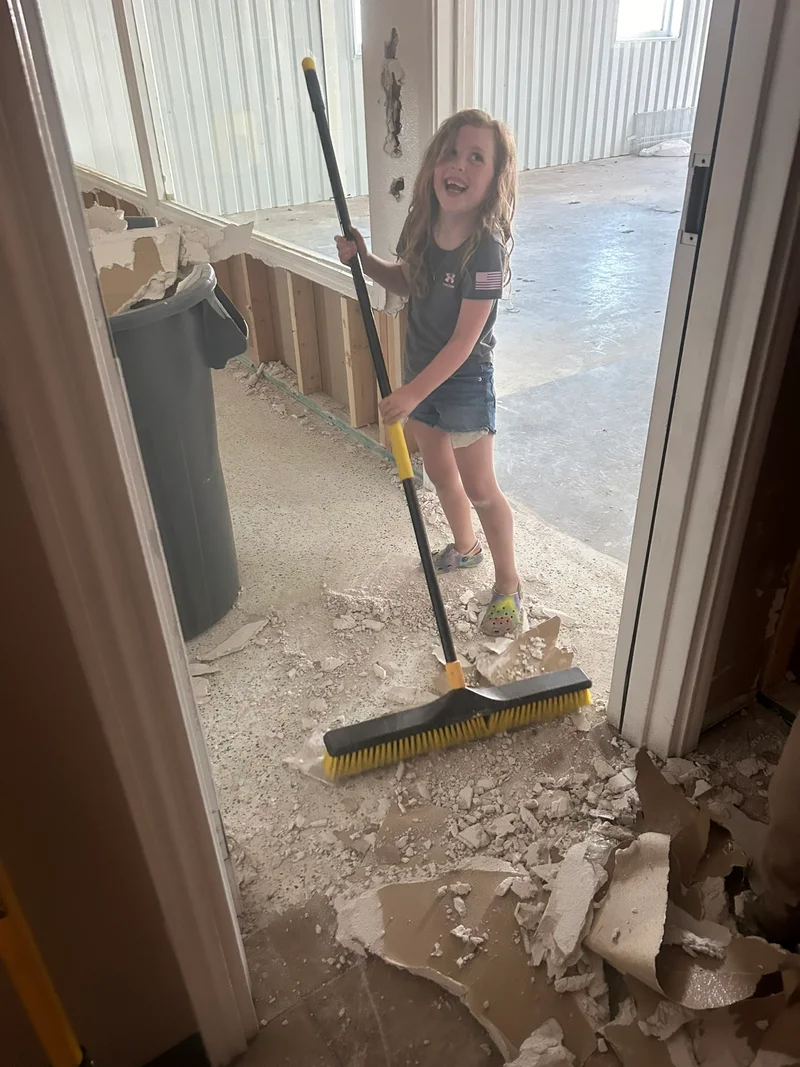
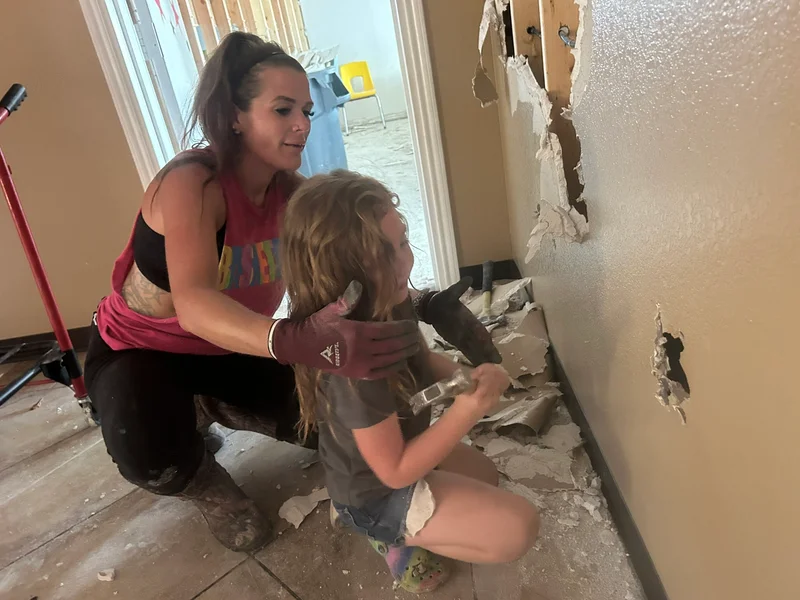
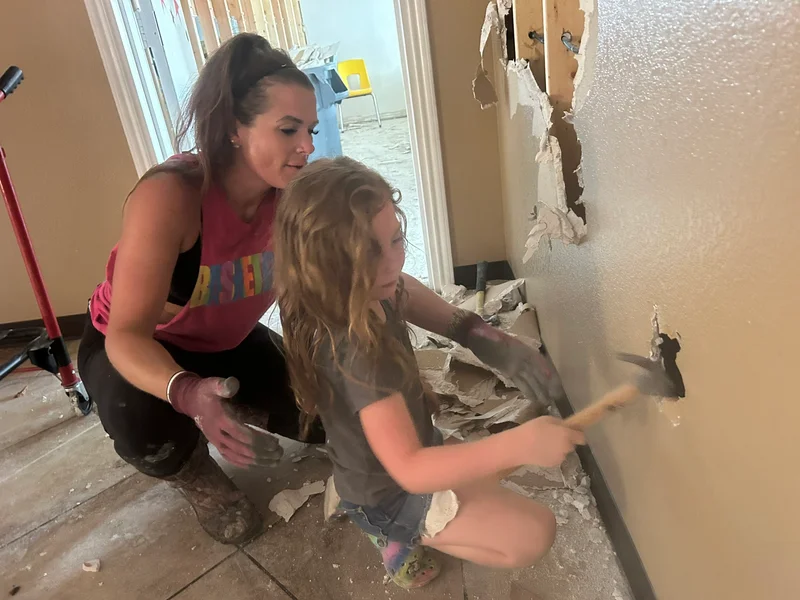
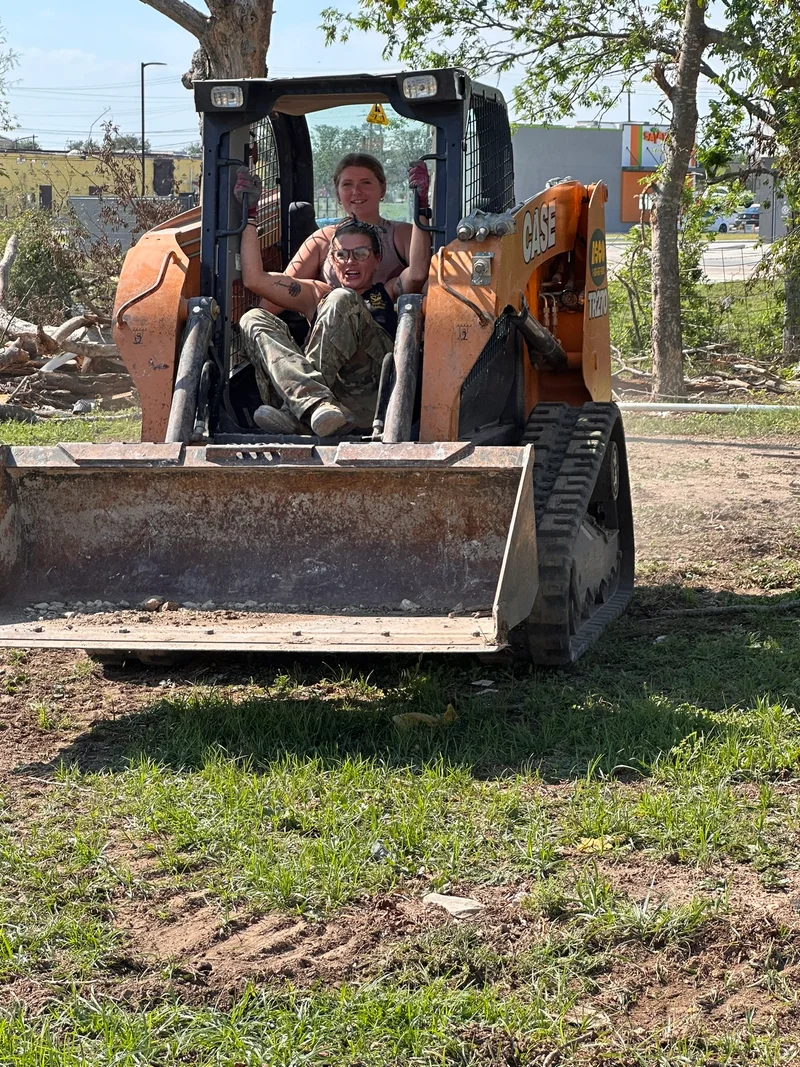
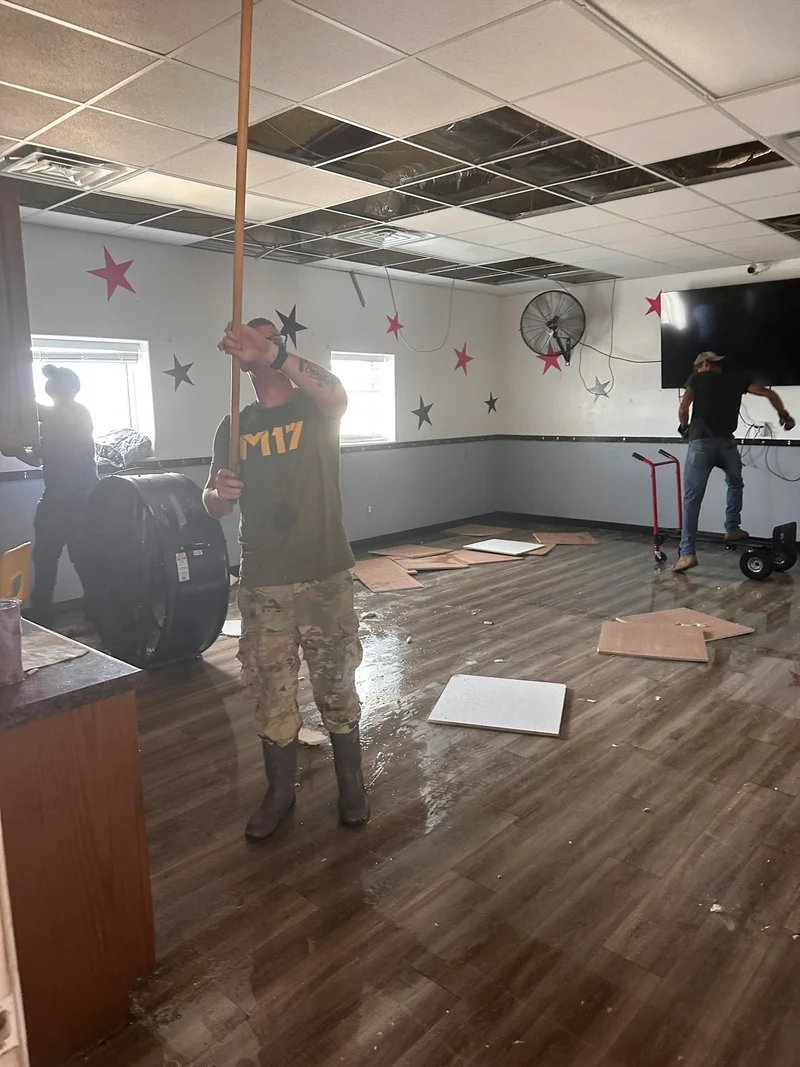
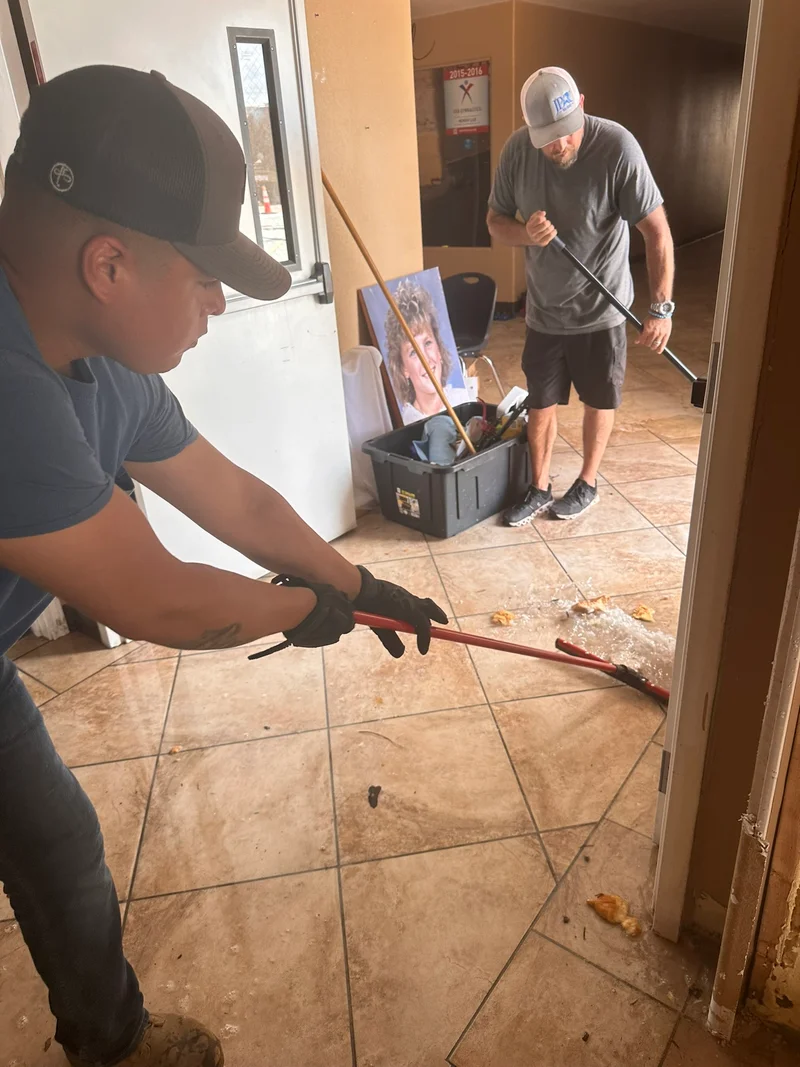
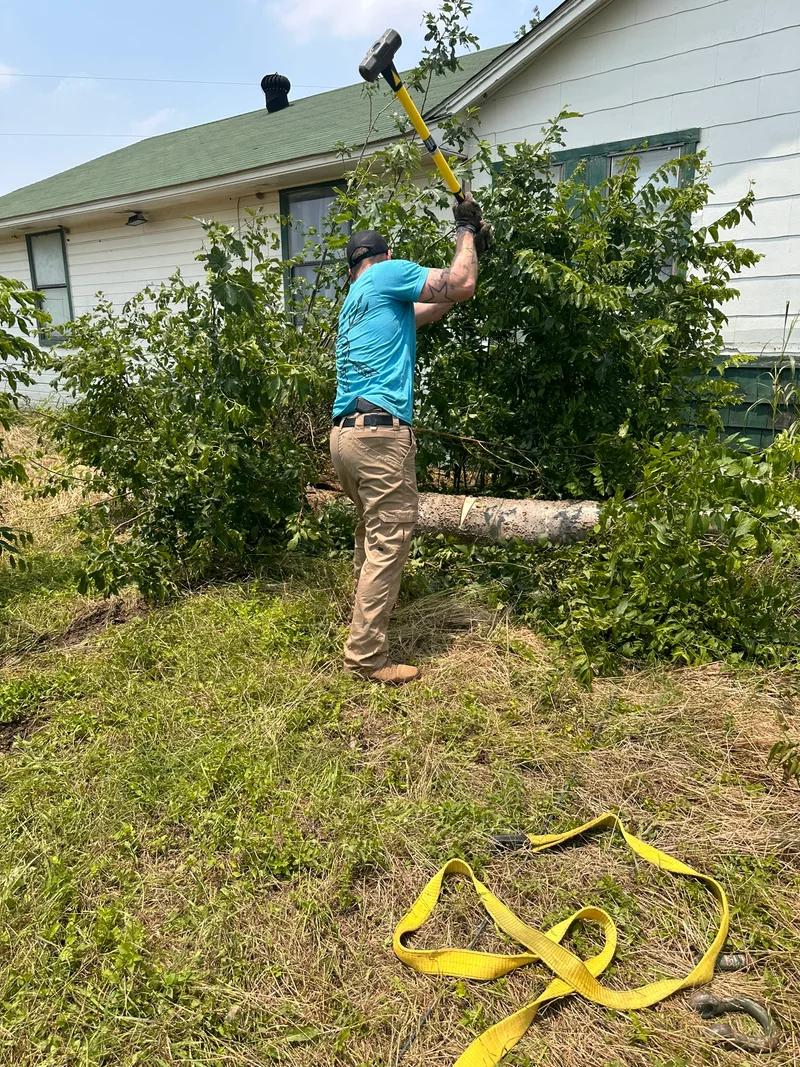
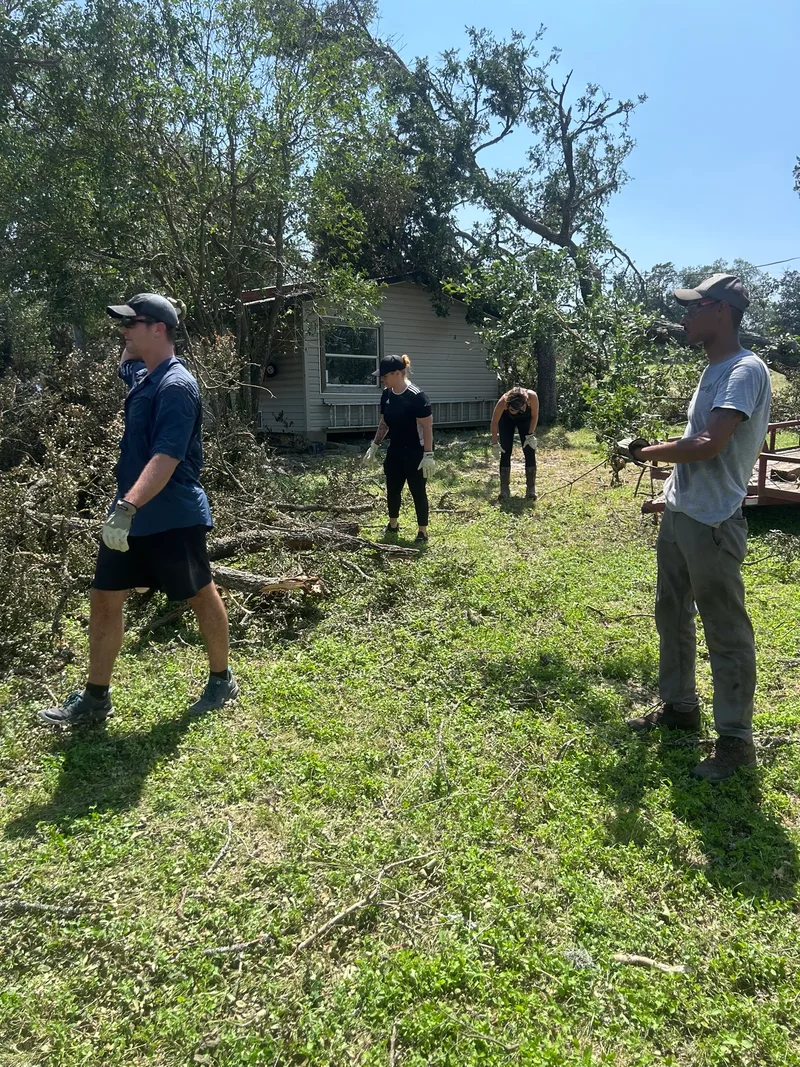
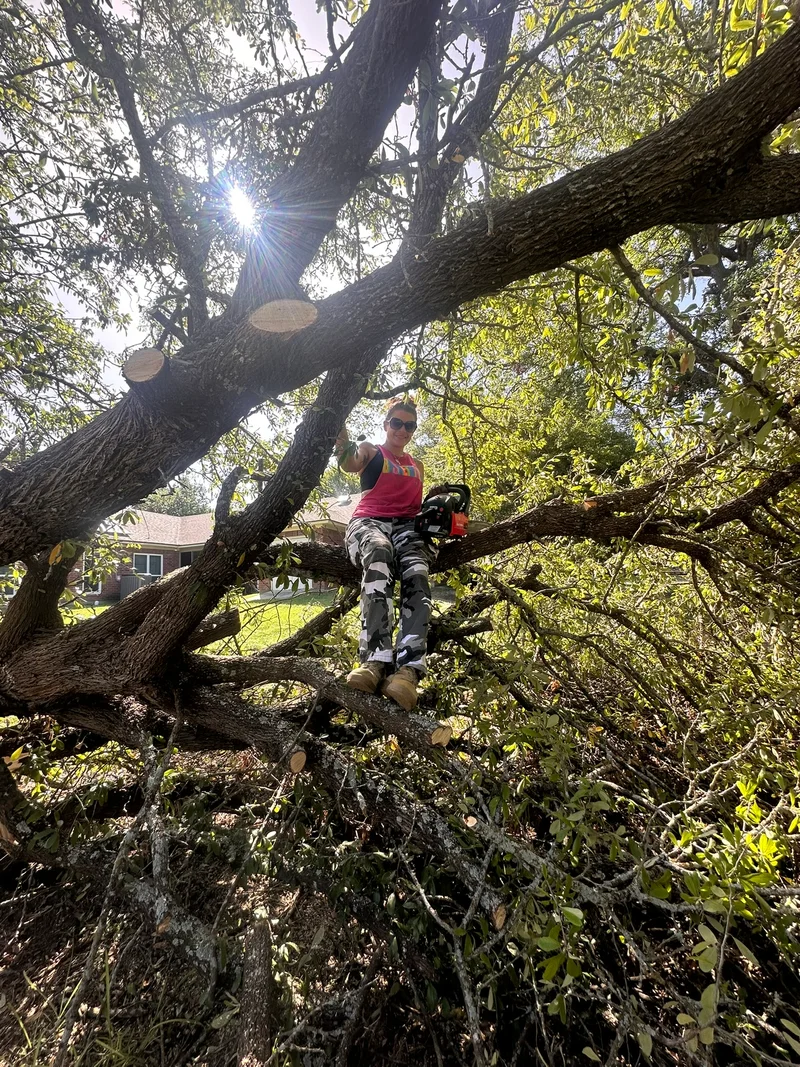
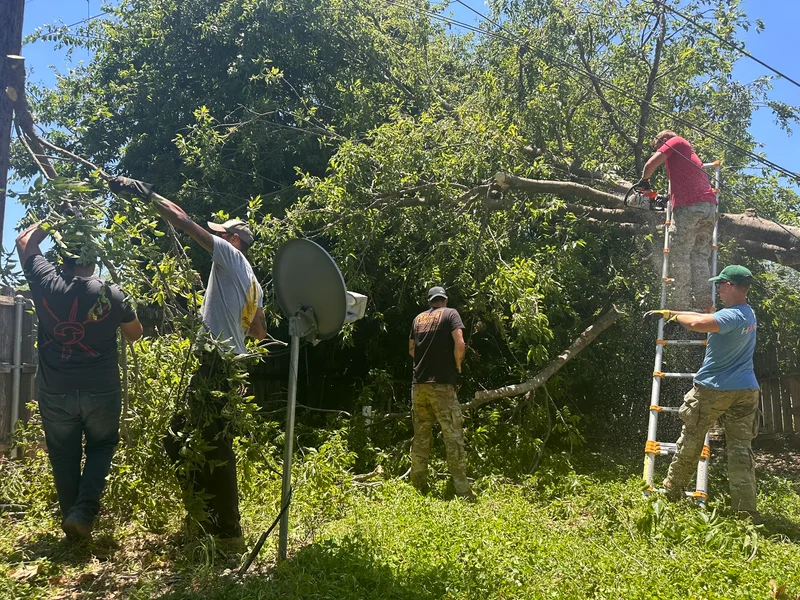
- Debris Removal: Led hands-on cleanup efforts, clearing fallen trees, hazardous materials, and storm debris
- Personal Belongings Recovery: Carefully sorted debris to help families recover documents, keepsakes, and sentimental items
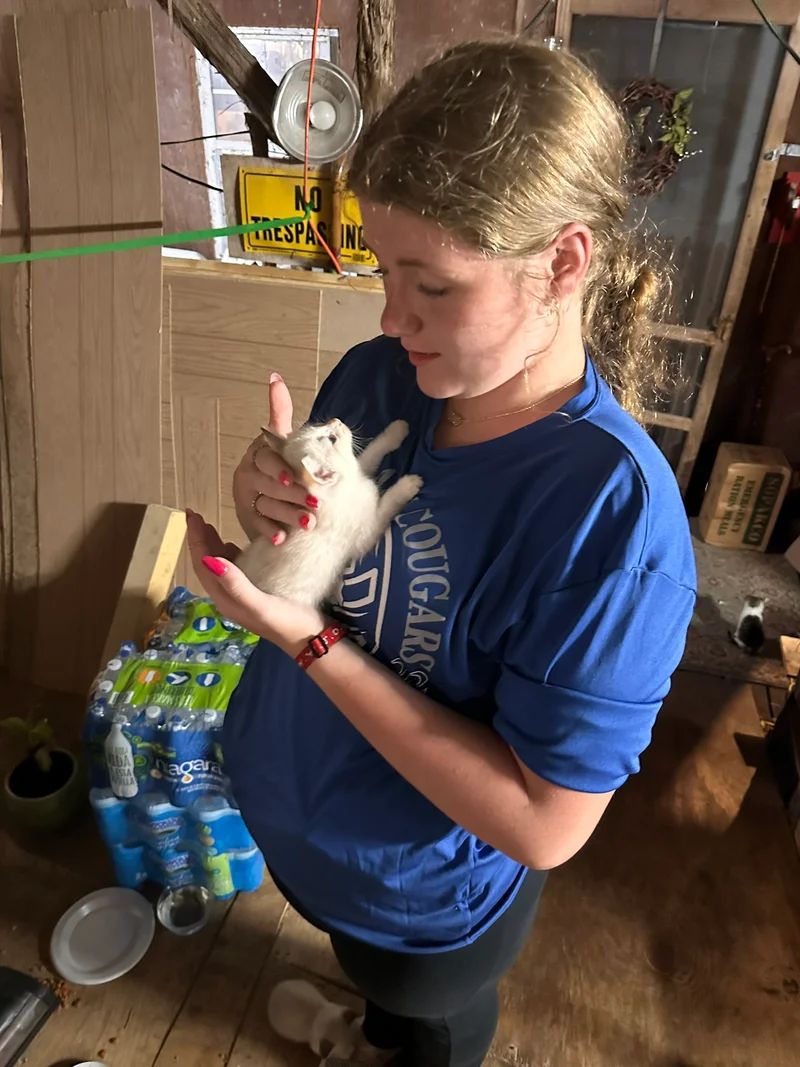
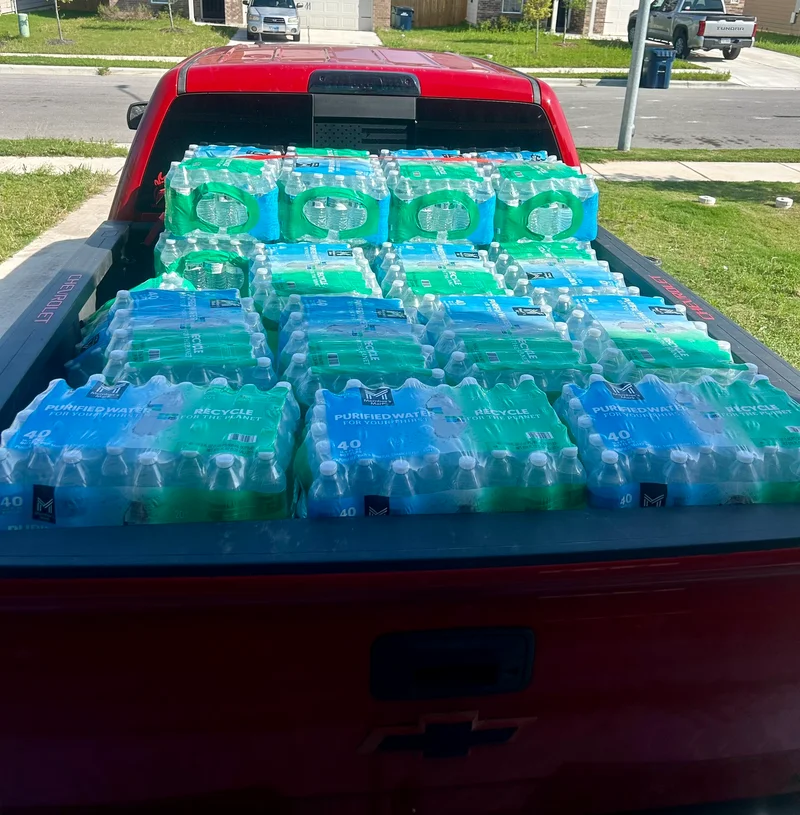
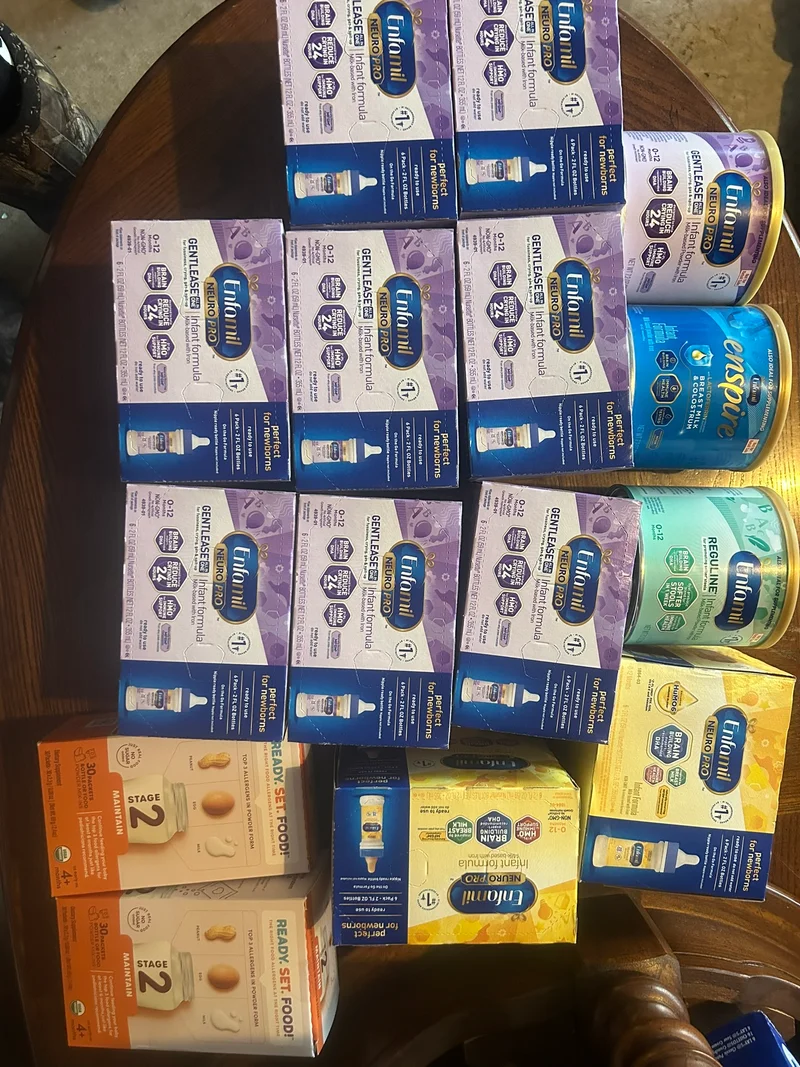
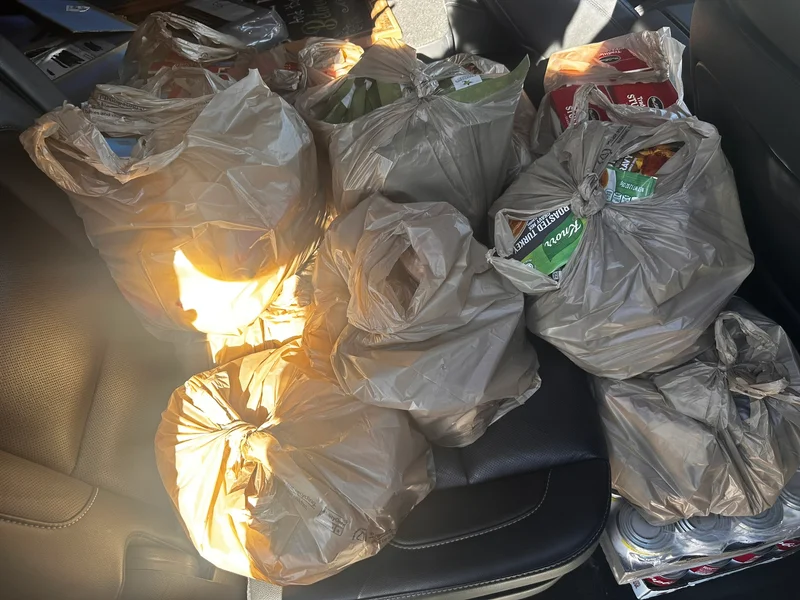
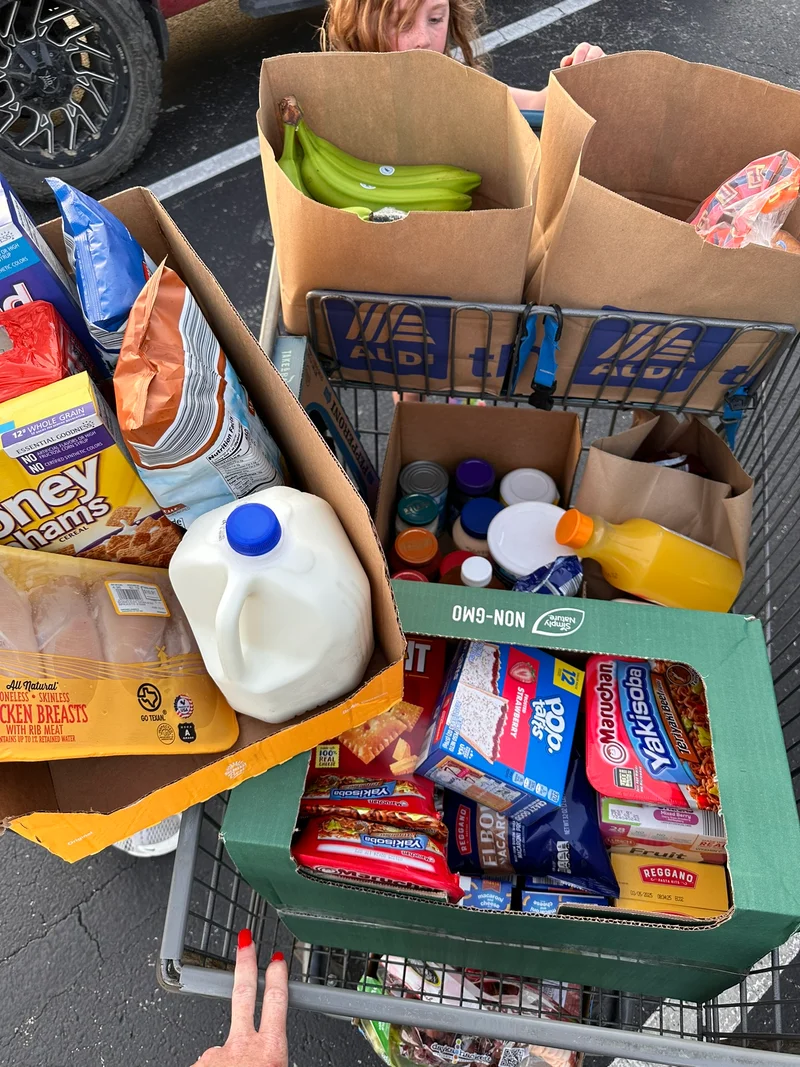
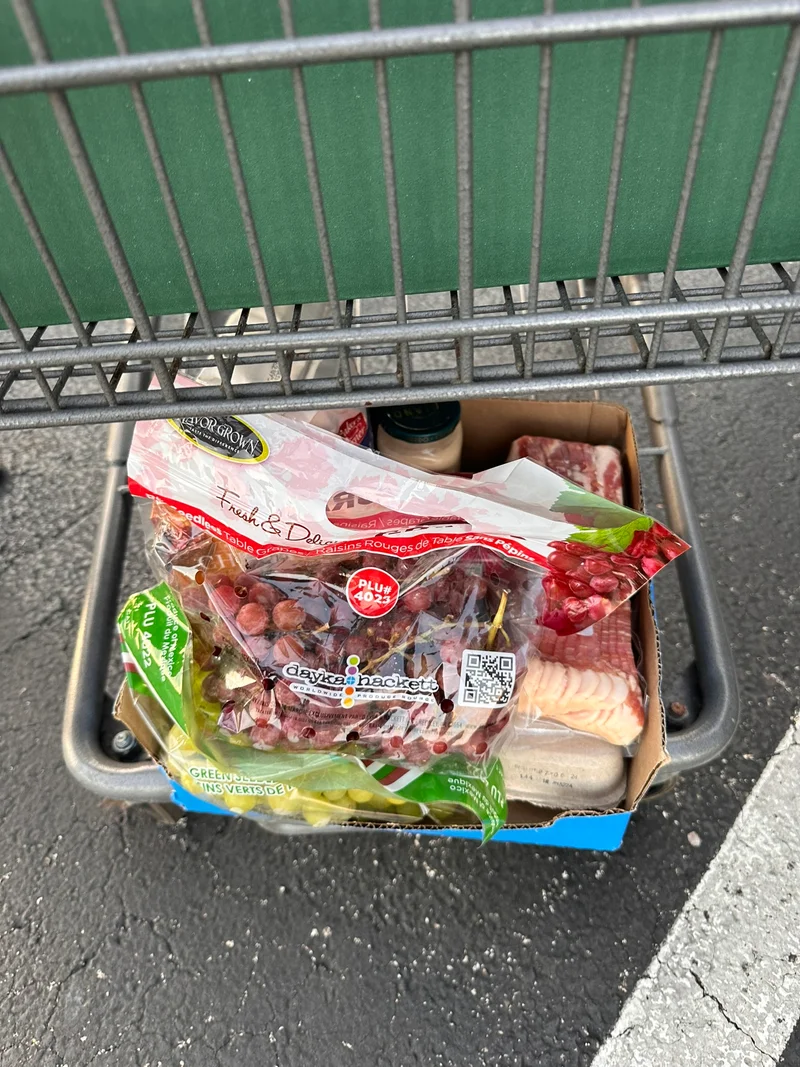
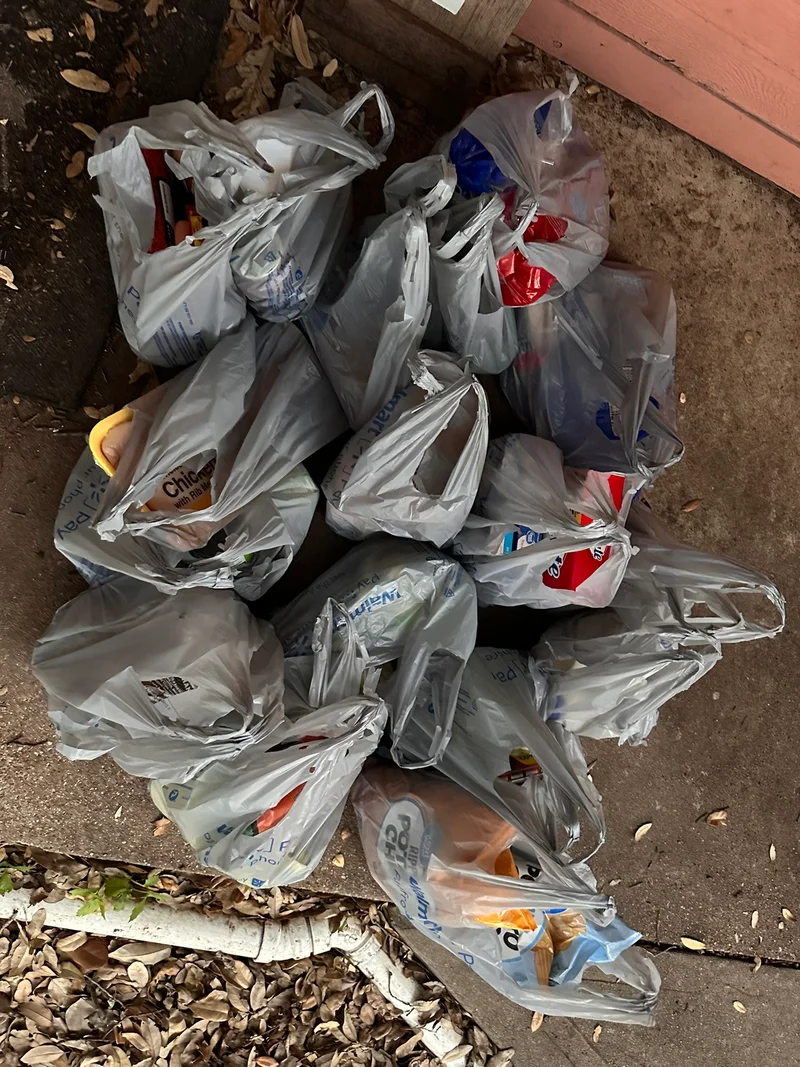
- Emergency Family Support: Provided water, food, and essential supplies to families during the earliest response phase
- Community Coordination: Worked alongside residents and local partners to fill gaps and prioritize vulnerable households
Recovery & Rebuilding Efforts
Following the immediate response, GTC United sustained long-term recovery efforts, including:
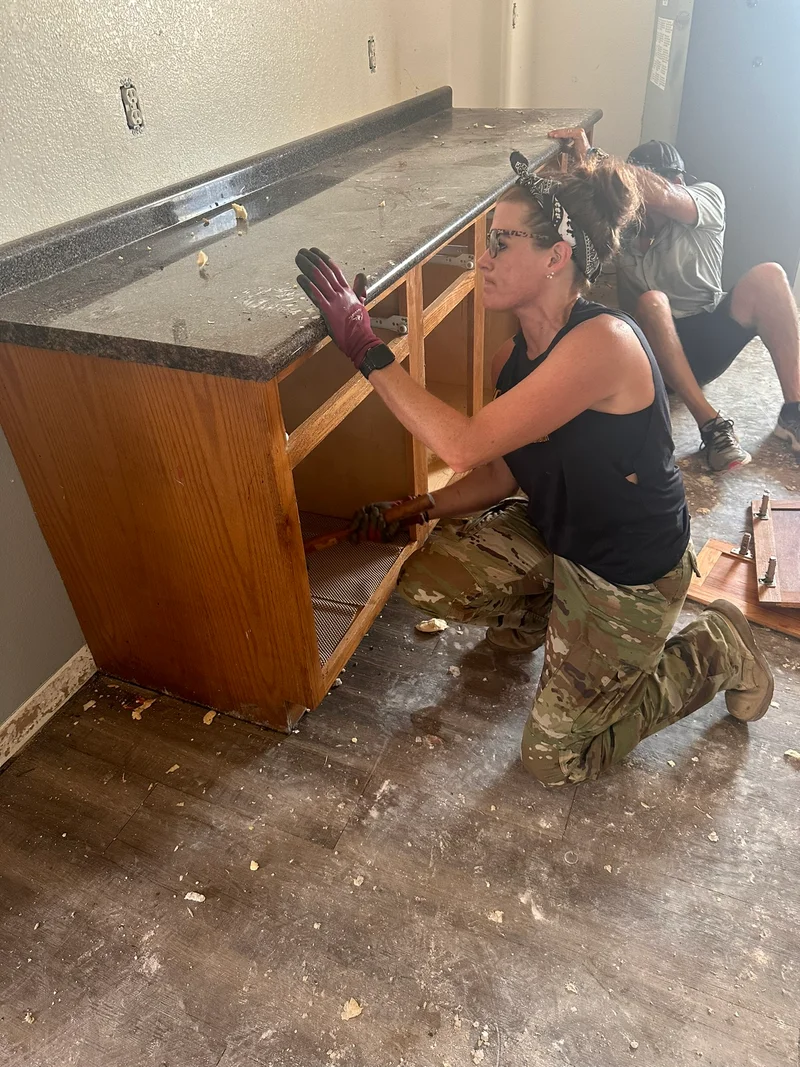
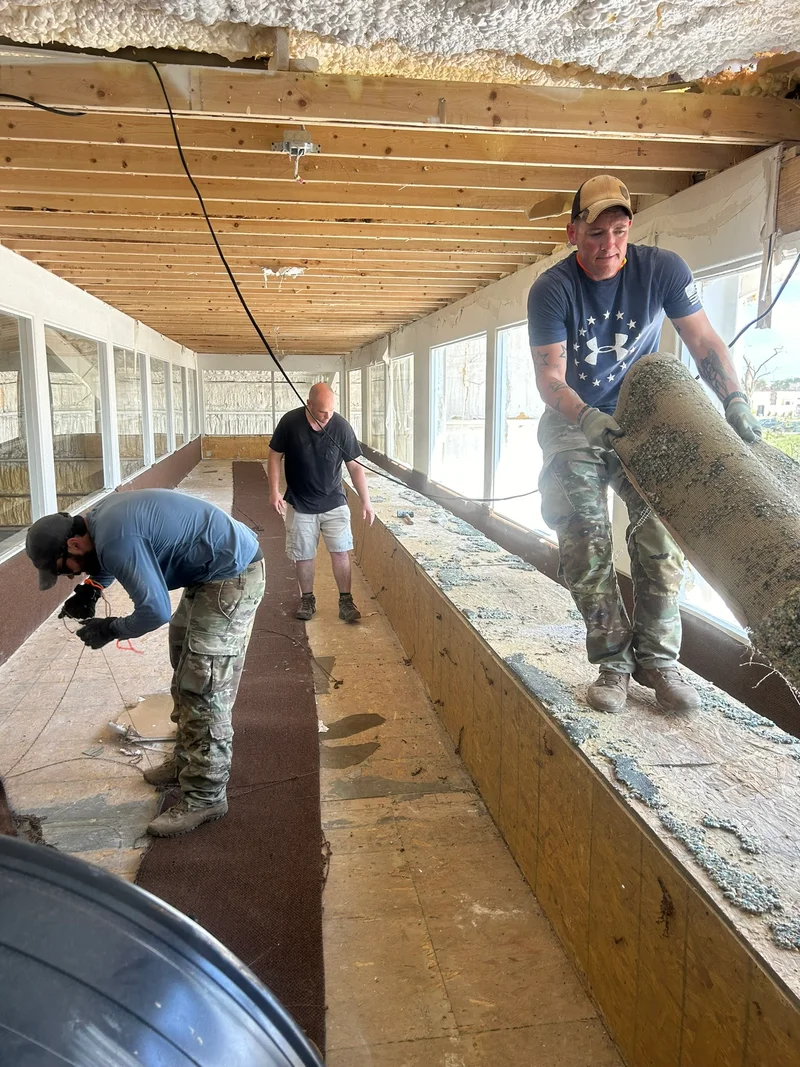
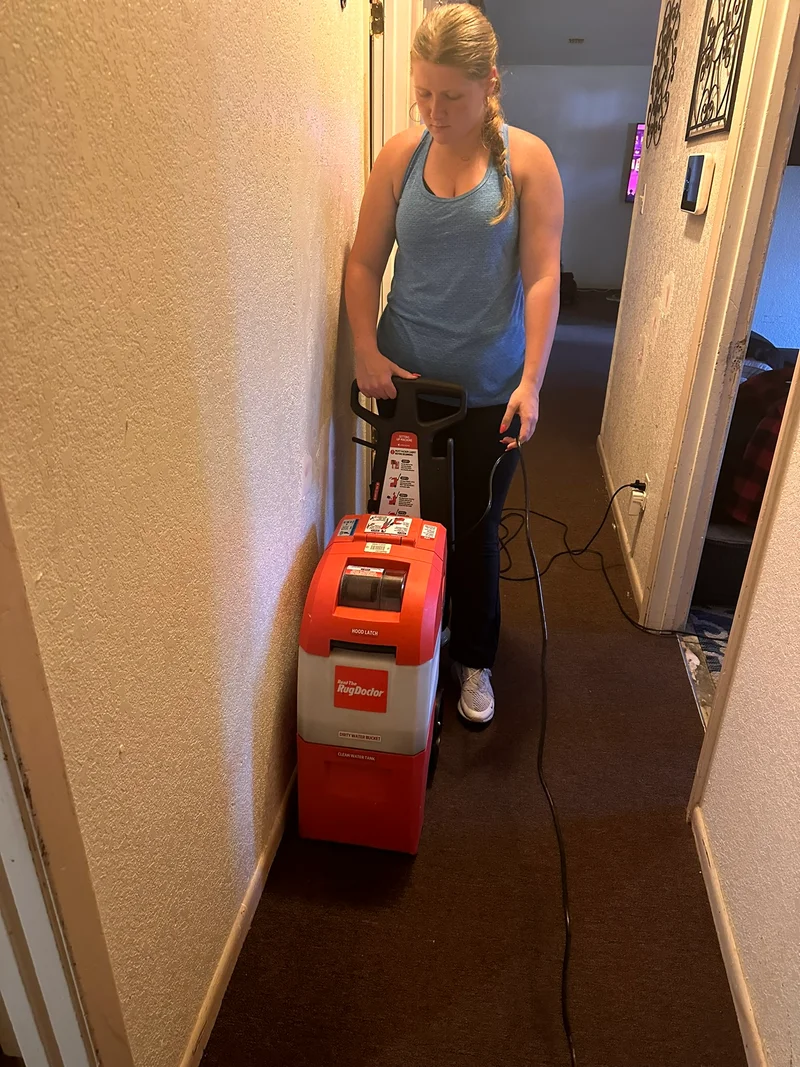
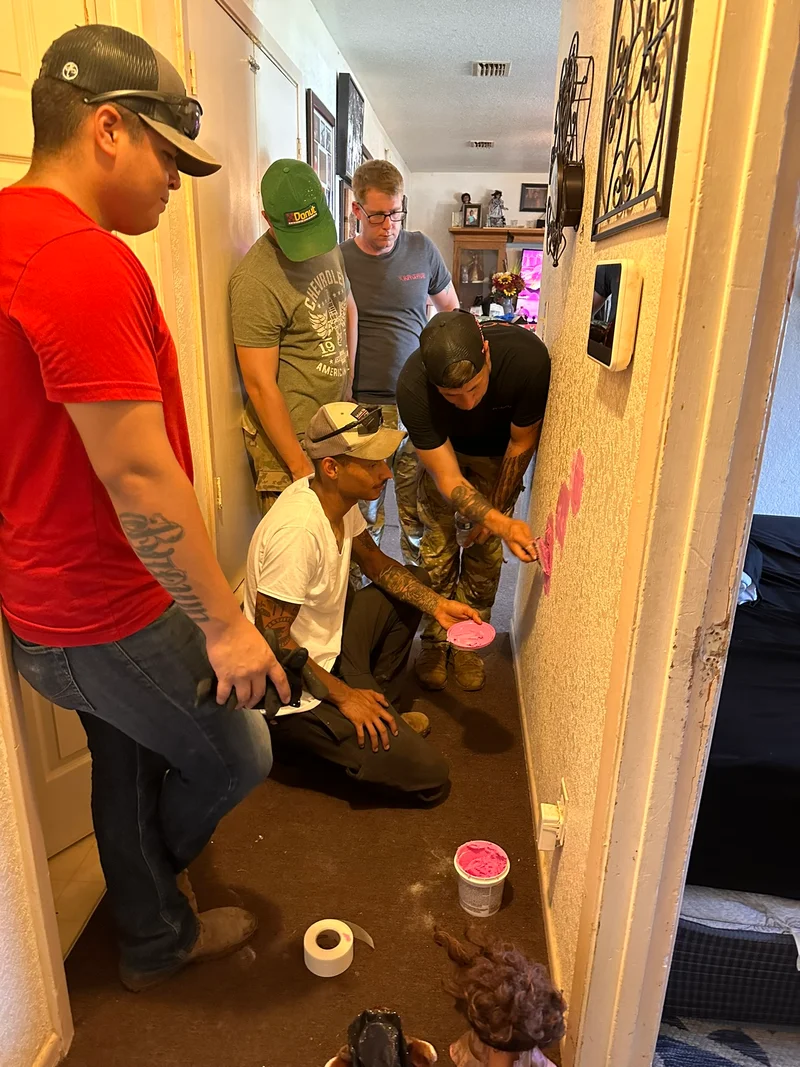
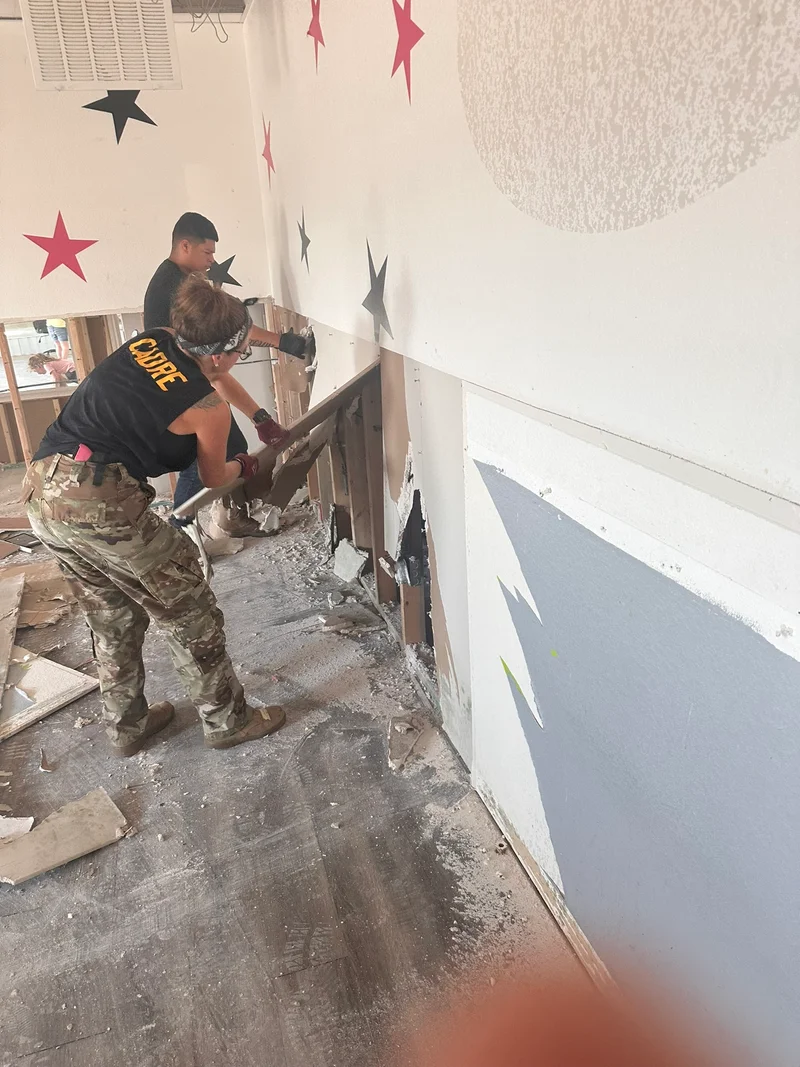
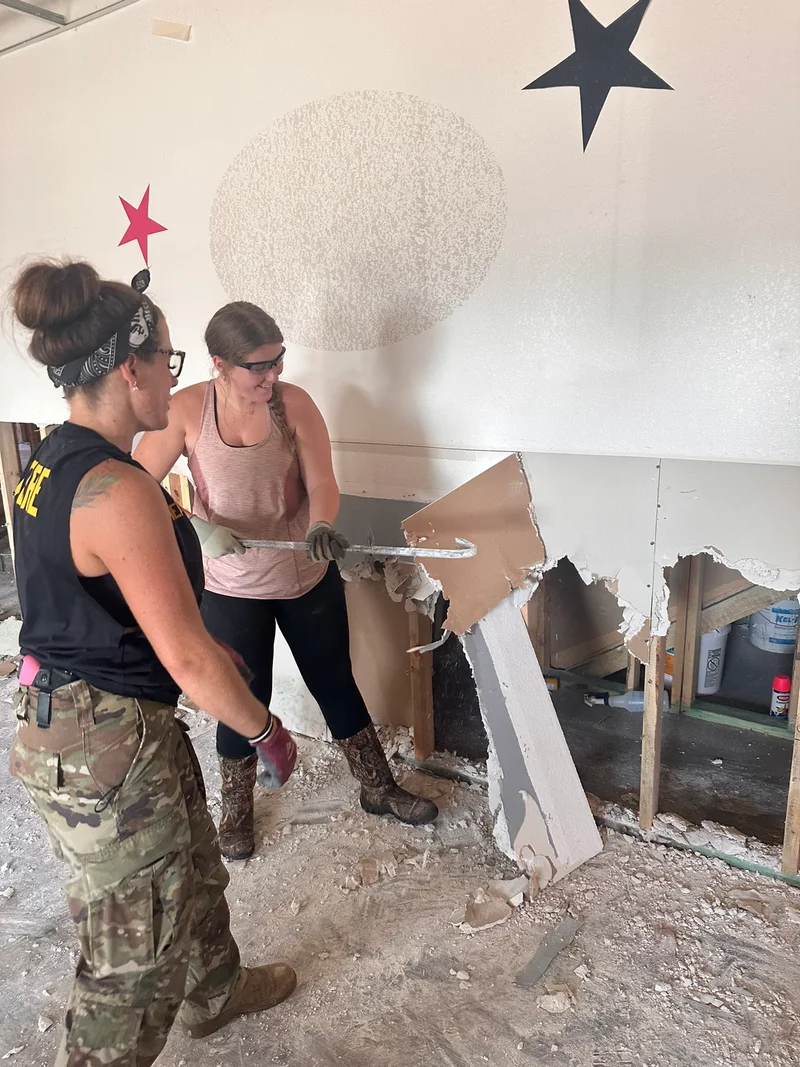
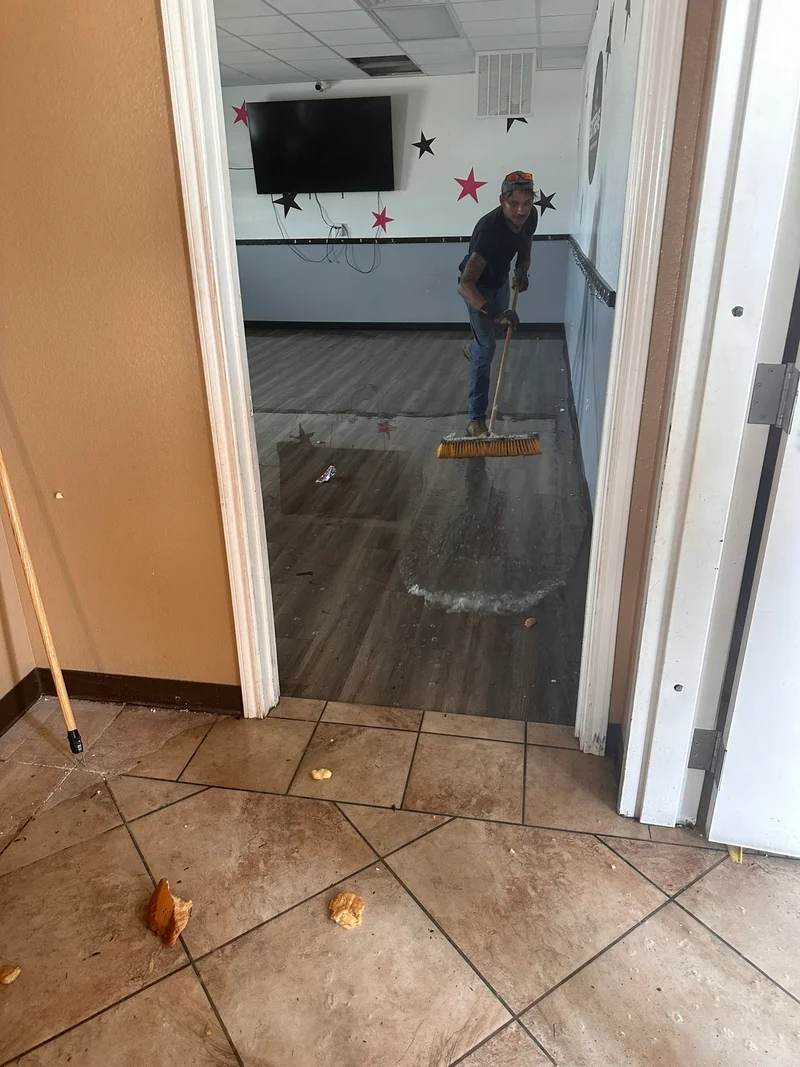
- Extended Debris Cleanup: Continued property cleanup and debris removal for weeks and months post-disaster
- Stabilization Assistance: Supported families with essential items and household needs as they transitioned out of crisis
- Recovery Navigation: Helped families identify resources, next steps, and available rebuilding or repair assistance
- Ongoing Family Support: Provided continued hands-on support for households facing prolonged displacement or financial strain
- Collaborative Rebuilding: Partnered with community organizations and volunteers to strengthen recovery outcomes
- Long-Term Presence: Maintained consistent engagement in impacted areas to ensure families were not forgotten beyond the initial response
Community Heroes
In the aftermath of the storms, Central Texas came together in powerful ways:
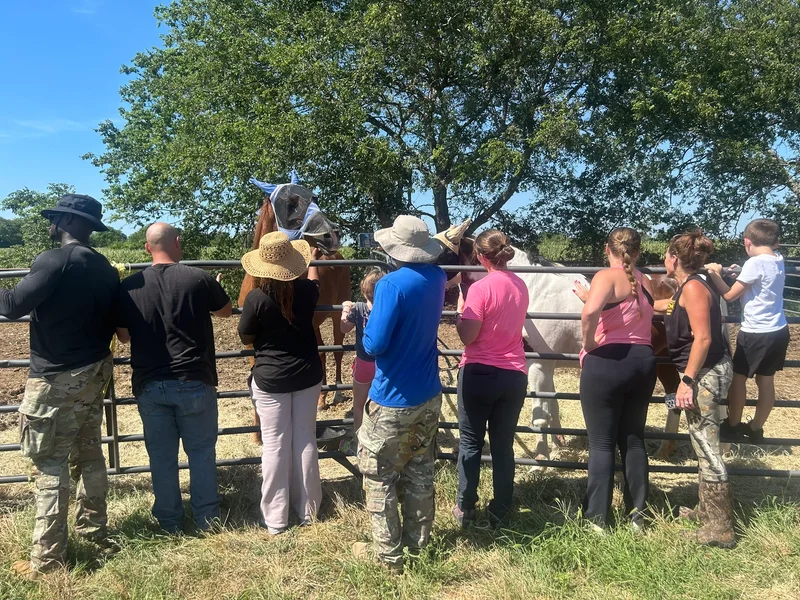
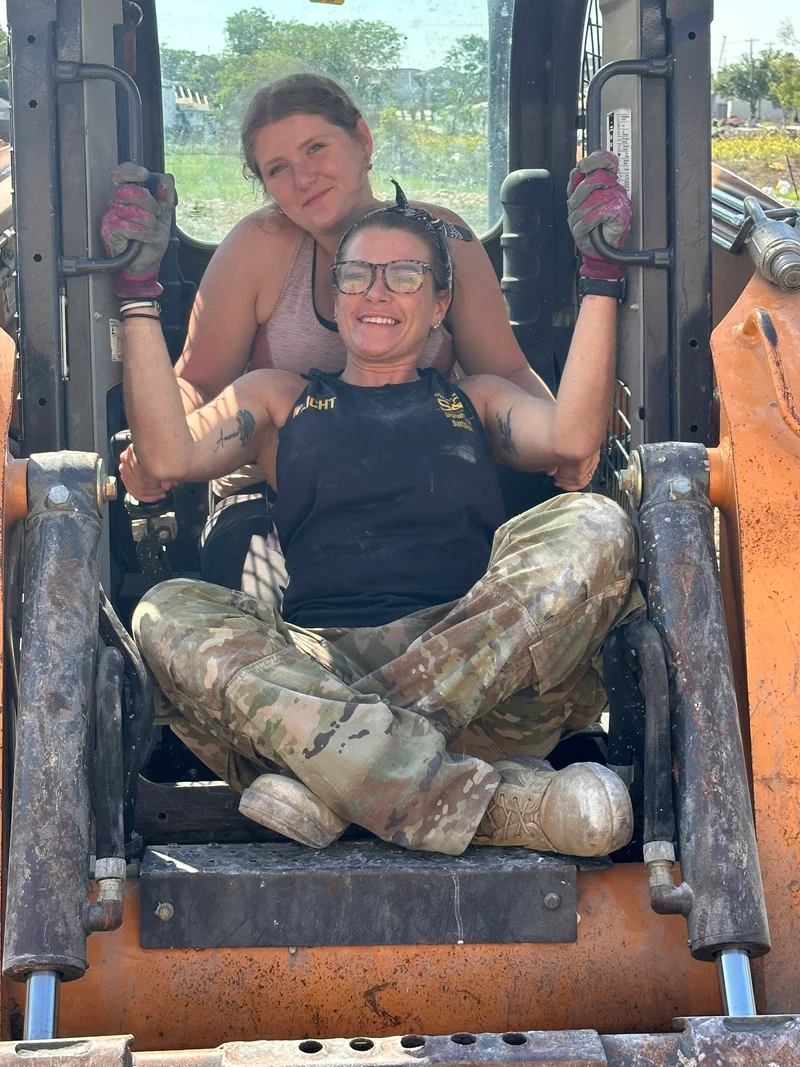
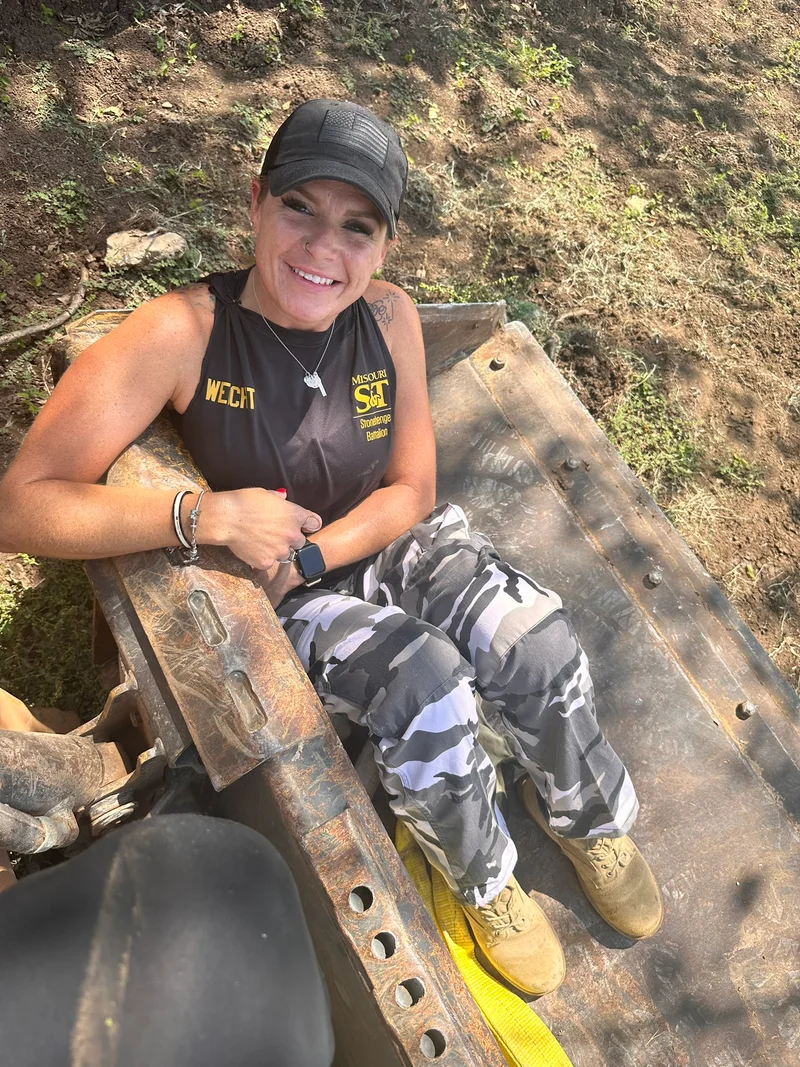
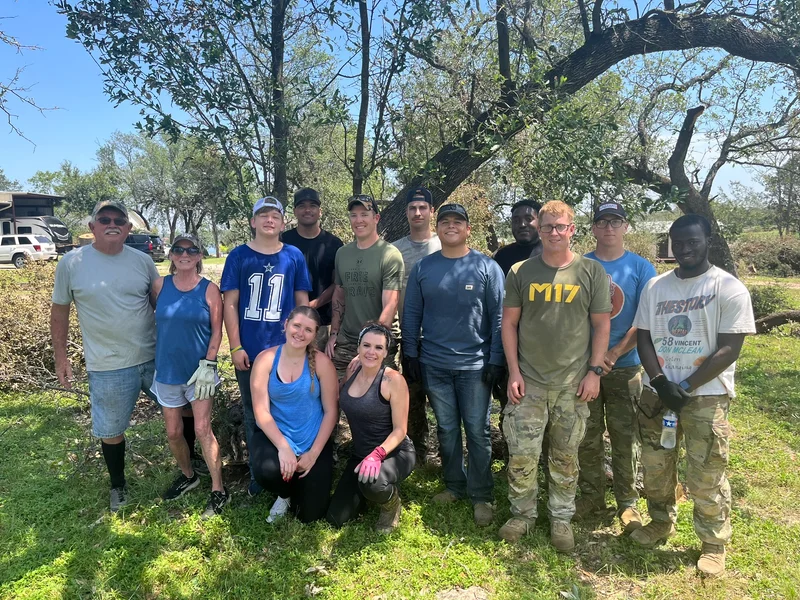
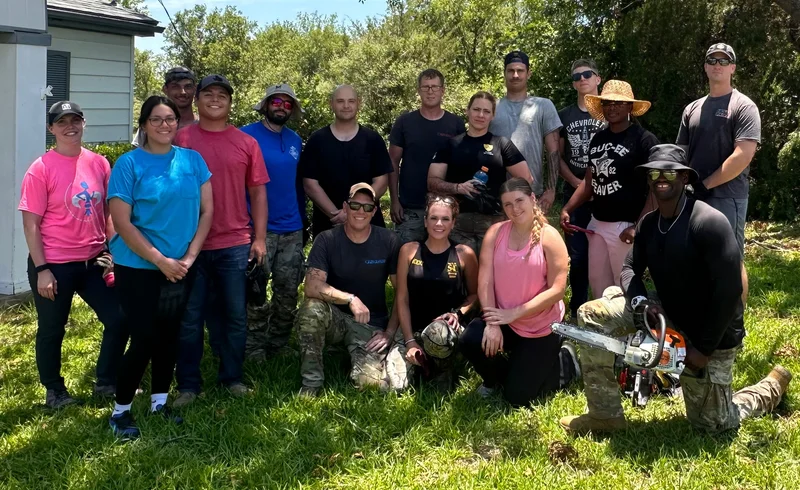
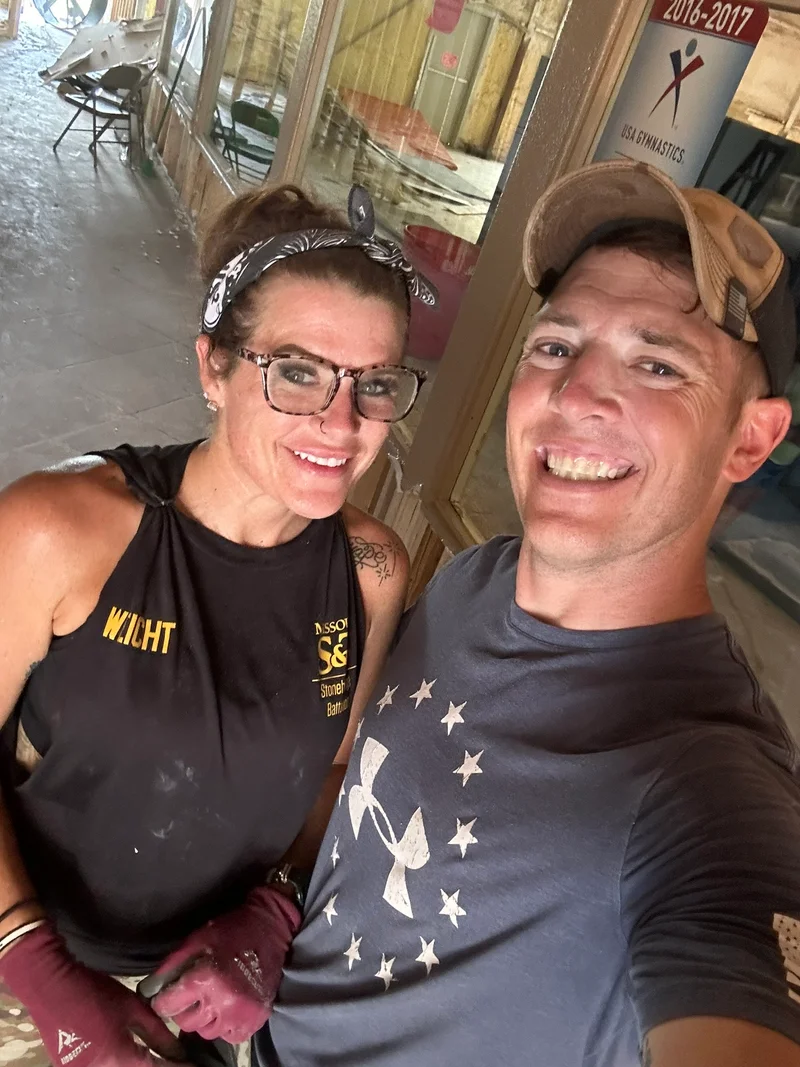
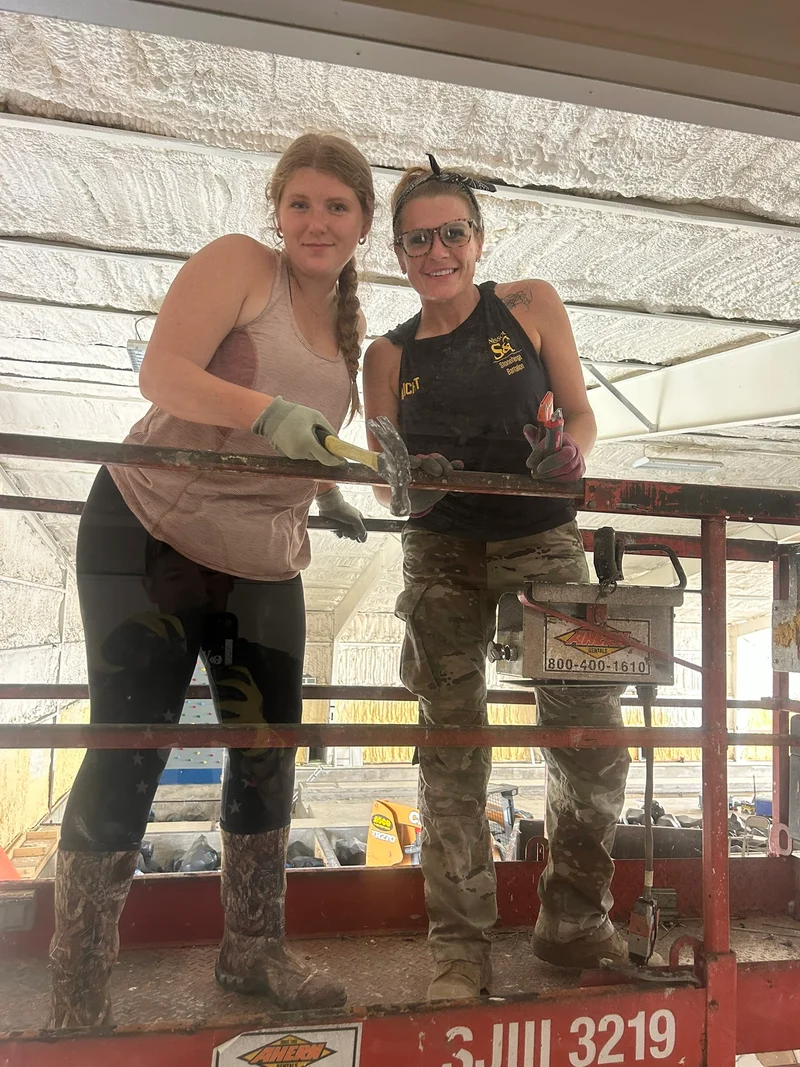
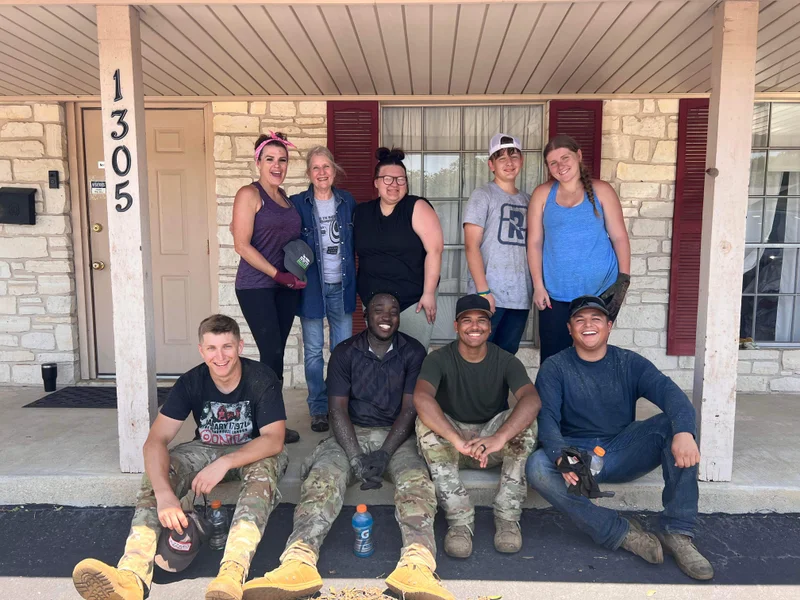
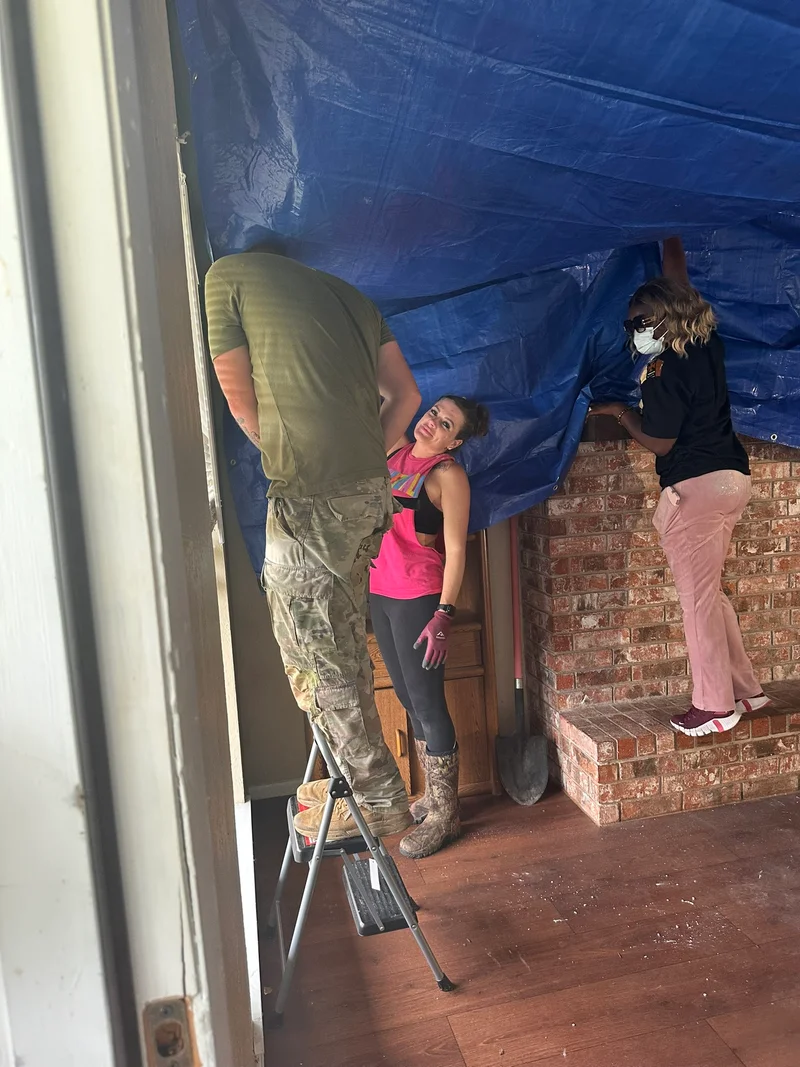
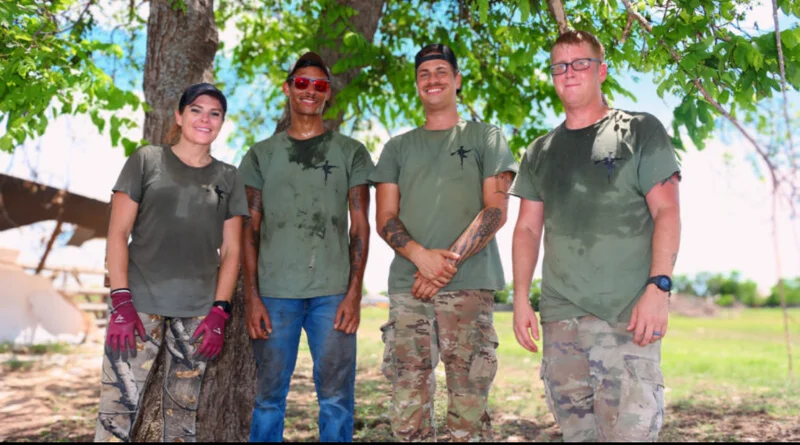
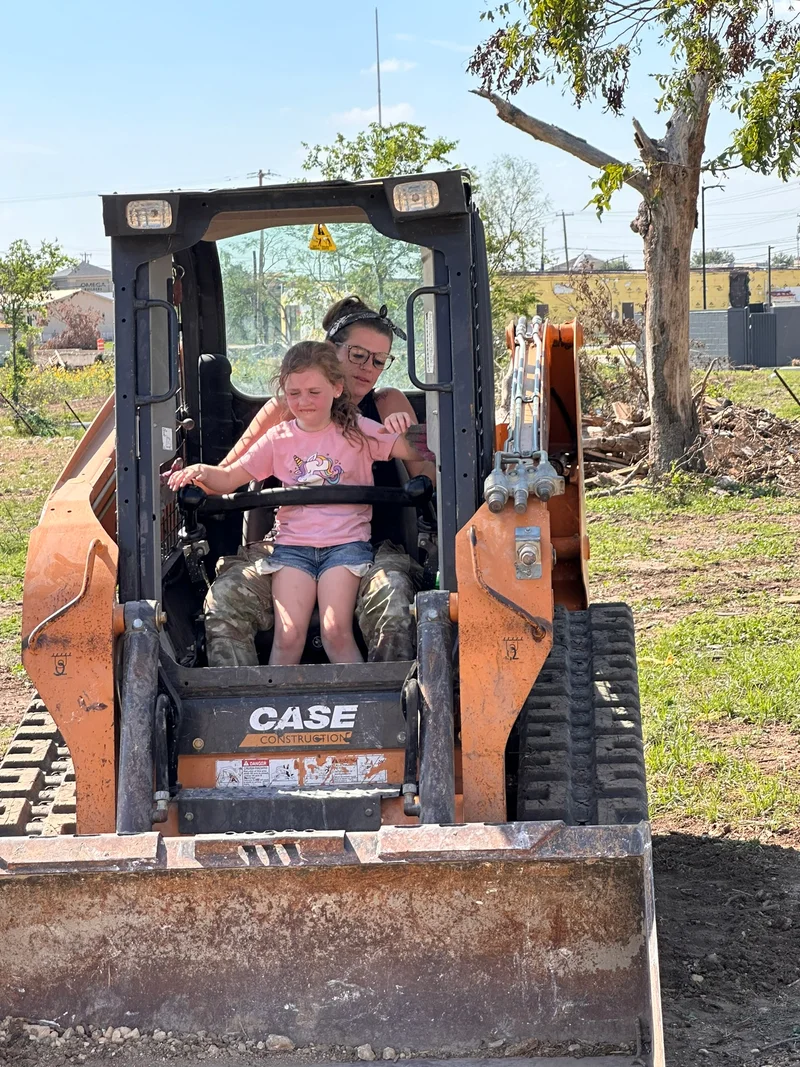
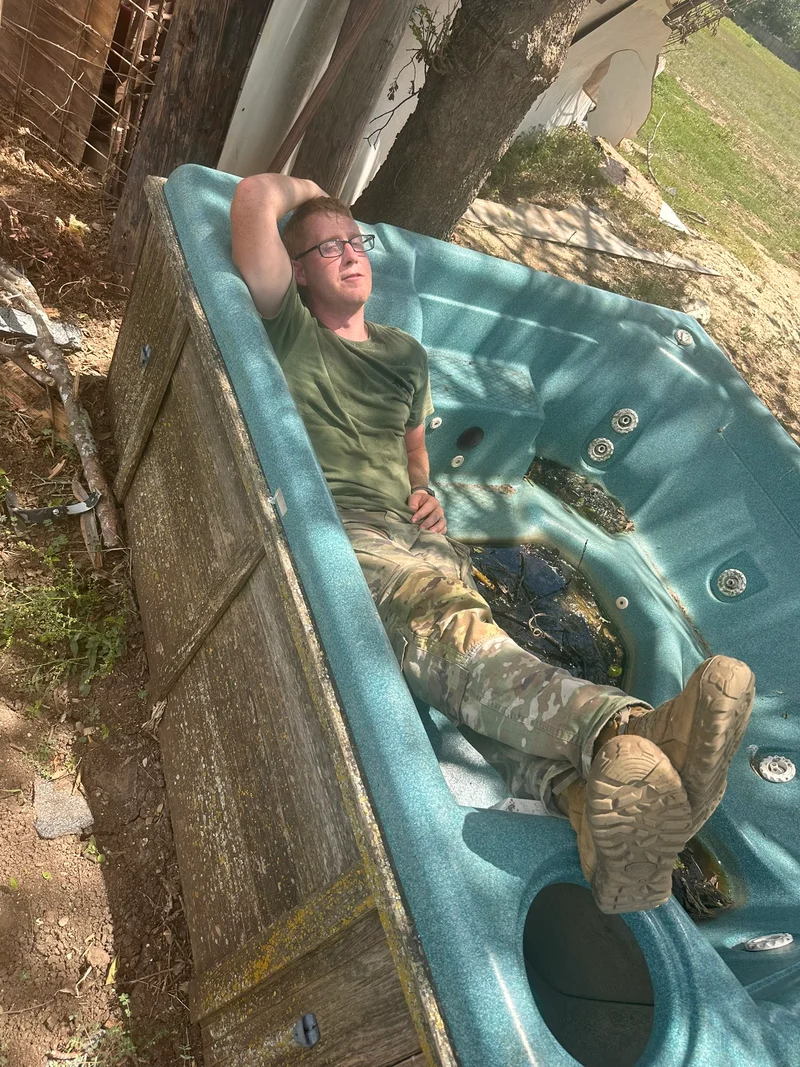
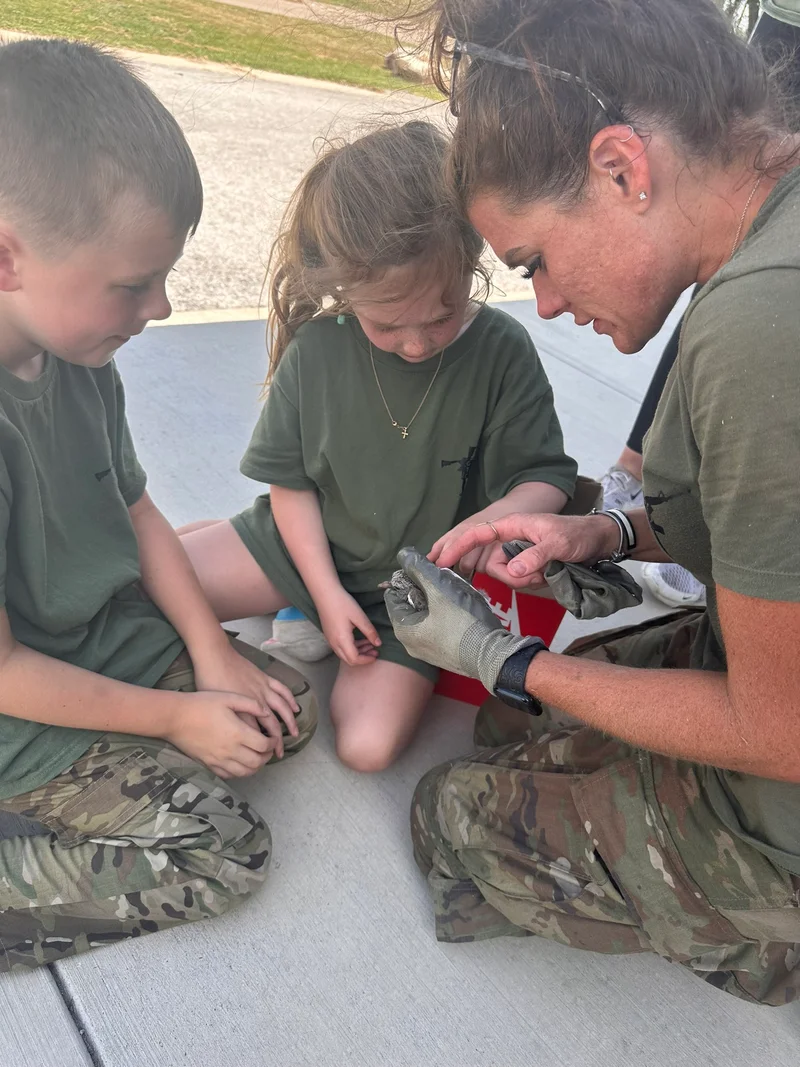
- Active-duty soldiers from HQBN, III Armored Corps volunteered daily for months, providing sustained, hands-on support
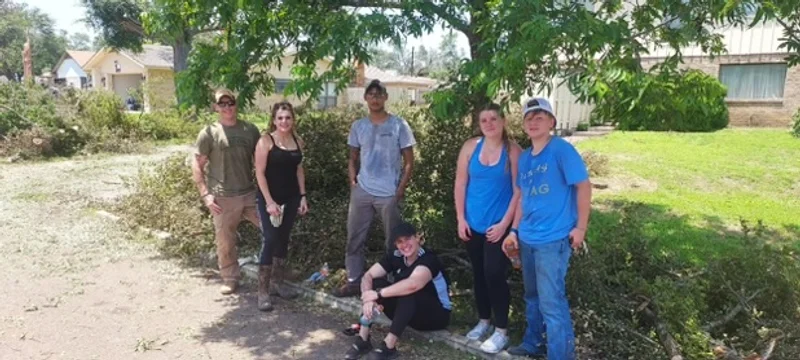
- Hundreds of volunteers mobilized to assist with relief and cleanup
- Local businesses stepped up with donated supplies, food, water, and equipment
- Churches served as emergency shelters and places of refuge
- Neighbors helped neighbors clear debris, restore access, and rebuild
Lessons Learned
This disaster reinforced critical preparedness and recovery insights:
- Early Warning Systems Matter: Timely alerts save lives and allow families to act quickly
- Community Response Capacity Is Essential: Trained community emergency response teams strengthen local resilience
- Pre-Positioned Supplies Save Time: Ready access to emergency supplies accelerates response efforts
- Practiced Plans Reduce Risk: Familiarity with evacuation and shelter plans improves safety outcomes
- Community Unity Accelerates Recovery: Strong neighbor-to-neighbor support is vital in long-term recovery
Be Tornado Ready
Simple steps families can take to prepare and protect one another:
- Identify Safe Spaces: Know the safest room or shelter in your home
- Build an Emergency Kit: Include water, food, medications, flashlights, and important documents
- Stay Informed: Sign up for local weather alerts and warning systems
- Practice Your Plan: Review tornado procedures with all household members
- Know Community Shelters: Be aware of nearby public or designated shelter locations
Event Photos & Videos